
Making Your Home More Wellness-Friendly: Small Changes That Support an Active Lifestyle
A healthy lifestyle is shaped by more than gym sessions and meal plans. The way a home is arranged can influence how much people move, how well they rest, and how easily they maintain daily routines. A cluttered room, poor lighting, or a lack of comfortable space can make healthy habits feel harder to follow, while a few thoughtful changes can make everyday wellness more practical.
Creating a wellness-friendly home does not mean renovating every room or filling a spare bedroom with fitness machines. It starts with making existing spaces work better for the people who live in them. Whether the goal is to become more active, improve sleep, or create a calmer daily routine, small adjustments can make a meaningful difference. Even a short upper body dumbbell workout can become easier to maintain when there is a convenient place to exercise and a routine that fits naturally into the day.
Rethink Your Space to Encourage More Movement
The first step toward an active home is to notice how the current layout affects daily behavior. Furniture placement, storage habits, and the amount of open floor space can either encourage movement or make it inconvenient. A wellness-friendly room should support ordinary activities without requiring a major change to the entire household.
Create a Small Area for Physical Activity
A dedicated workout room is helpful, but it is not essential. A clear section of a living room, bedroom, or home office may be enough for stretching, bodyweight exercises, mobility work, or light strength training. The important thing is to keep the area practical and easy to access.
Choose a location with enough room to move safely in every direction. Check the floor for loose rugs, cables, or other objects that could cause a trip. If equipment is part of the setup, store it nearby rather than leaving weights and accessories scattered around the house.
Keeping the area ready for use can also reduce the mental effort involved in starting a workout. When people do not need to move several pieces of furniture or search for equipment, a short exercise session becomes easier to fit between work, household responsibilities, and family time.
Make Everyday Movement More Convenient
Exercise is only one part of an active lifestyle. Standing up regularly, walking around the house, taking the stairs when practical, and breaking up long periods of sitting can all contribute to a more movement-friendly routine.
Consider placing frequently used items where they are easy to reach without encouraging unnecessary bending or awkward lifting. If you work from home, take brief movement breaks between tasks. A short walk during a phone call or a few gentle stretches after a long meeting can help break up sedentary periods.
These habits may appear small, but their value comes from repetition. A home that supports regular movement makes it easier to stay active throughout the day instead of relying entirely on one scheduled workout.
Improve Natural Light, Airflow, and Comfort
A wellness-friendly home should feel comfortable enough that people want to spend time in it. Lighting, temperature, and ventilation can affect how a room feels during work, exercise, relaxation, and sleep.
Use Daylight Where Possible
Natural light can make rooms feel more welcoming and help distinguish daytime activity from evening relaxation. Keep windows unobstructed when practical, use light-colored curtains where appropriate, and arrange desks or reading areas to take advantage of available daylight.
For exercise spaces, good lighting also makes it easier to see the floor, equipment, and surrounding obstacles. If natural light is limited, use suitable indoor lighting rather than exercising in a dim area where movement may be difficult to monitor.
Keep the Indoor Environment Comfortable
Ventilation matters when a room is used for exercise or occupied for long periods. Open windows when outdoor conditions allow, maintain ventilation systems as recommended, and address persistent dampness or unpleasant odors rather than covering them with fragrances.
Comfort also includes temperature and noise. A room that becomes excessively hot during exercise may discourage regular use, while constant background noise can make relaxation more difficult. Simple changes, such as adjusting curtains, improving airflow, or choosing a quieter location for stretching, may improve how a space functions.
Not every home can be perfectly controlled, particularly in shared accommodation or areas with challenging weather. The aim is to make practical improvements within the conditions available.
Make Strength Training Fit Your Home
Strength training can support muscle function, everyday movement, and long-term physical capability. However, the best home setup is not necessarily the one with the largest number of machines. It is the setup that matches a person’s experience, available space, and preferred exercises.
When evaluating adjustable dumbbells, consider the weight range, adjustment system, footprint, and storage arrangements alongside the purchase price. It is also worth checking whether the equipment supports the movements you expect to perform and whether its features are useful for your experience level. A lower-cost item that meets your actual needs may be a better choice than a more complicated setup that rarely gets used.
Choose Equipment That Serves More Than One Purpose
Before buying fitness equipment, consider which movements you want to practice regularly. A mat can support stretching and floor exercises, while resistance bands can provide options for different movement patterns. Free weights can also support a range of exercises without requiring a large machine for every muscle group.
For smaller homes, storage deserves as much attention as training value. Equipment that can be returned to a stable storage area after use helps keep shared rooms organized. Heavy items should be stored securely, and children or pets should not have unsupervised access to weights or adjustment mechanisms.
Look Beyond Appearance When Choosing Weights
A piece of equipment may look convenient, but its suitability depends on more than its design. Consider the available weight range, adjustment process, grip, storage requirements, and whether it supports the exercises you plan to perform. Beginners should also choose loads they can control with good technique rather than selecting weights based only on the maximum amount listed.
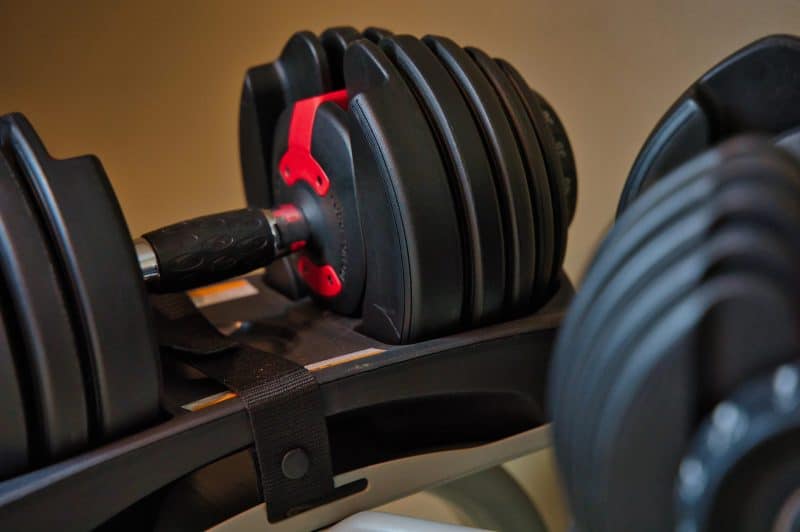
The FED Fitness Feierdun Series DB1 Quick Adjustable Dumbbell 52.5LBS is designed to provide several weight settings within one compact system. According to the product listing, it offers adjustments from 5 to 52.5 pounds, independent adjustment dials, and a base that keeps the plates organized between sessions. Its design also supports dumbbell exercises and certain kettlebell-style movements, offering variety without requiring separate fixed-weight sets for every exercise. Before choosing this type of equipment, consider whether its weight range suits your current training level, whether you have enough room to use it safely, and how much storage space the base requires. Product availability can change, so check the listing for the current status before making a purchase.
The surrounding workout area matters just as much as the equipment itself. Leave enough clearance to lift and lower weights without striking furniture, use a stable surface, and return each weight to its base after use. These practical details help make home exercise safer and easier to maintain.
Build a Routine Around Your Daily Schedule
Even a well-arranged home cannot create an active lifestyle on its own. Lasting habits usually depend on routines that fit real responsibilities rather than idealized schedules.
Instead of planning an ambitious exercise schedule that is difficult to follow, identify a few realistic opportunities during the week. Some people may prefer short morning sessions, while others have more time after work or once household tasks are finished.
A simple plan might include two or three strength sessions, regular walks, and brief mobility breaks on busy days. The exact schedule should reflect individual fitness levels, health considerations, and personal goals. Rest days are also important because recovery is part of a sustainable exercise routine.
Consistency is often easier when a routine has a clear starting point. Setting out workout clothes, keeping a mat in an accessible place, or choosing the next day’s activity in advance can reduce the number of decisions required before exercising.
Avoid Making Every Session a Test of Willpower
People often abandon exercise plans because the routine demands too much time or energy. A shorter session that can be repeated regularly may be more practical than a demanding plan that is difficult to sustain.
On a busy day, a brief walk or a few minutes of gentle movement may be a reasonable alternative to a full workout. On days when energy and time are available, a longer session may fit better. The purpose is not to remove structure but to create enough flexibility for exercise to remain part of everyday life.
Support Healthy Eating and Better Rest at Home
Physical activity works alongside other daily habits. The home environment can make balanced meals, hydration, and restful sleep easier to manage, helping wellness become part of ordinary life rather than a separate project.
Make Nutritious Choices Easier to Reach
A practical kitchen setup can support more thoughtful eating. Keep commonly used ingredients visible and organized, prepare simple meals when time allows, and make drinking water convenient throughout the day. Planning a few meals in advance can also reduce the pressure to decide what to eat when everyone is hungry and busy.
Healthy eating does not require a perfectly stocked kitchen or an expensive collection of specialty products. The most useful changes are often basic ones, such as keeping suitable ingredients available, reducing food waste, and making time for regular meals.
Give Sleep Its Own Space and Routine
Sleep supports recovery, concentration, and everyday functioning. Keep the bedroom as comfortable as possible, reduce unnecessary noise and light, and establish a reasonably consistent bedtime and waking schedule.
If the bedroom also serves as an office or exercise area, create simple boundaries between activities when possible. Putting work materials away at the end of the day or keeping workout equipment in one designated corner can help the room feel less crowded.
Not every household has a separate room for each purpose, so flexibility matters. Even small signals, such as dimming lights before bed or moving screens away from the sleeping area, may help create a clearer transition from activity to rest.
Choose Equipment That Fits Your Space and Budget
Building a wellness-friendly home does not require purchasing everything at once. Start by identifying the biggest barriers to your routine. If there is nowhere safe to exercise, clearing a suitable area may be the first priority. If workouts feel repetitive, a carefully chosen piece of equipment could provide more variety.
Budget planning should include more than the initial purchase. Think about delivery costs, available storage, maintenance instructions, and any accessories needed for safe use. Avoid buying multiple items simply because they are popular online. A small collection of suitable equipment can be enough to establish a useful home routine.
Keep Your Wellness-Friendly Home Practical Over Time
A home that supports wellness should adapt as household needs change. Review the layout occasionally and notice which areas are being used and which have become cluttered. Equipment that is no longer useful may need a different storage location, while a frequently used exercise space may benefit from better lighting or a more convenient arrangement.
It is also helpful to measure progress through habits rather than appearance alone. Completing regular workouts, taking more movement breaks, sleeping on a steadier schedule, and feeling more comfortable using the available space are all practical signs that the environment is supporting healthier choices.
Small changes are most effective when they solve real problems. A clear floor, accessible equipment, comfortable lighting, simple meal preparation, and a consistent rest routine may not transform a home overnight, but together they can make an active lifestyle easier to maintain.