
Problems Crowded Coops Create You Can’t Ignore
A coop can seem adequate until the flock starts to grow. At first, a few extra birds may not appear to make much difference. Then small issues begin to surface. Chickens compete for roost space, nesting boxes stay occupied longer, and cleaning becomes a constant task. Some flock owners blame feed, weather, or breed characteristics when the real problem sits right in front of them.
Space plays a larger role in flock health than people realize. As bird numbers increase, the coop must support those changes. Breeders and backyard chicken owners who move to large chicken coops often find that several frustrating problems fade. Before that upgrade happens, however, overcrowding can create challenges that are difficult to ignore.
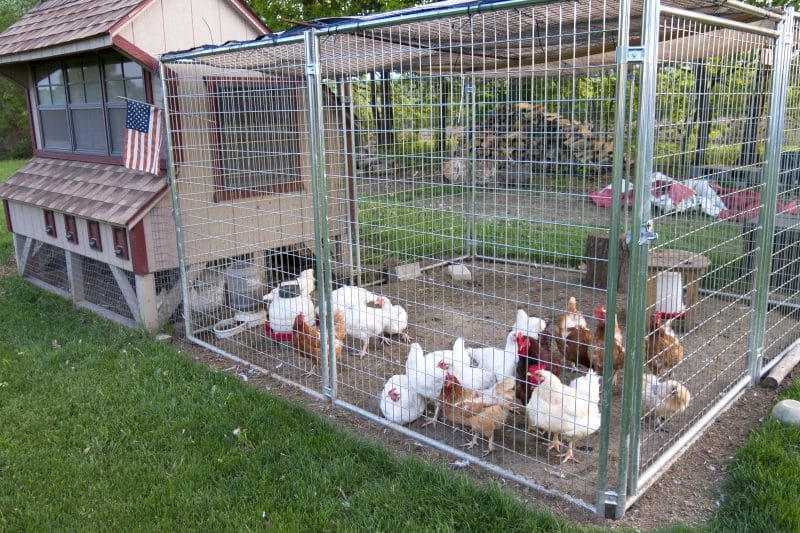
Aggressive Behavior Becomes More Common
A crowded coop places chickens in constant contact with one another. Birds that once shared space peacefully may begin pecking, chasing, or blocking access to food and water. A dominant hen can control resources while weaker birds struggle to avoid conflict. Feather damage around the neck and tail frequently appears first. These behaviors are not always signs of a difficult flock. In some cases, the birds simply lack enough room to establish comfortable boundaries. Extra space can reduce daily tension and support calmer interactions.
Nesting Boxes Turn Into Competition Zones
Hens prefer quiet and comfortable places to lay eggs. Problems arise when too few nesting boxes serve too many birds. Some hens wait for access while others crowd into occupied boxes. Egg quality can suffer, and broken eggs become more common. Owners may even find eggs scattered throughout the coop. This issue usually grows worse as flock numbers increase. A coop that once worked well can quickly feel inadequate when additional birds begin sharing the same nesting areas every day.
Roost Space Runs Out Quickly
Nighttime provides one of the clearest signs of overcrowding. Chickens naturally seek elevated roosts before sunset. If enough space is unavailable, birds squeeze together or settle on the coop floor. Floor sleeping can expose chickens to dirtier conditions and create additional stress within the flock. Some owners discover birds competing for preferred spots every evening. A comfortable roosting arrangement helps chickens rest properly. Limited space disrupts that routine and can affect the flock’s overall comfort over time.
Air Quality Starts to Decline
Each individual chicken will add moisture, dust, and droppings to the environment within the coop. When there are too many chickens for the available coop size, these components will build up much more rapidly. There could be increased odor in the coop even with frequent cleaning, especially when it is humid outside. There will be a greater need for fresh air as the number of chickens increases.
Feed and Water Access Become Uneven
Overcrowding in the feeding area may lead to various difficulties that one could easily miss. While some birds can feed without any trouble, others may shy away from the feeders because aggressive chickens guard their feeding spot. The same thing may happen at water stations. One could detect differences between the physiques of certain chickens in a particular flock. The younger and less aggressive ones would generally face the hardest time.
Cleaning Demands Increase Significantly
A few chickens will keep the coop clean for weeks. However, having too many chickens will turn everything around within days. The bedding will get filthier quicker, smells will develop faster, and there will be increased humidity. Cleaning may consume a lot of one’s time, but not necessarily fix the actual problem. For example, chicken breeders often have to manage larger flocks and are frustrated by the additional work involved.
Growth Plans Become Difficult to Manage
Breeders rarely maintain the exact same flock size year after year. New birds arrive, breeding programs expand, and replacement stock remains on-site longer than expected. A coop that once seemed spacious can quickly reach its limit. Growth becomes difficult when every available corner is already occupied. This challenge is one reason experienced breeders invest in large chicken coops with room for expansion. Planning ahead creates flexibility and helps avoid repeated upgrades as flock numbers increase.
Questions Breeders Should Ask Before Buying a Larger Coop
- How many birds will the flock have next year?
- Can the coop support breeding groups separately?
- Is there room for additional nesting boxes?
- How easy is the coop to clean?
- Does the design allow future expansion?
- Are feeders and waterers easy to access?
- Will the structure handle seasonal weather?
- Is there enough roost space for mature birds?
Crowded coops create problems that extend far beyond simple inconvenience. Aggression, limited nesting space, poor air quality, and rising maintenance demands can affect the daily life of every bird in the flock. These issues tend to appear gradually, which makes them easy to dismiss at first. Paying attention to the warning signs can prevent larger challenges later. A spacious coop gives chickens room to rest, eat, and interact comfortably while providing owners with a more manageable and productive environment.