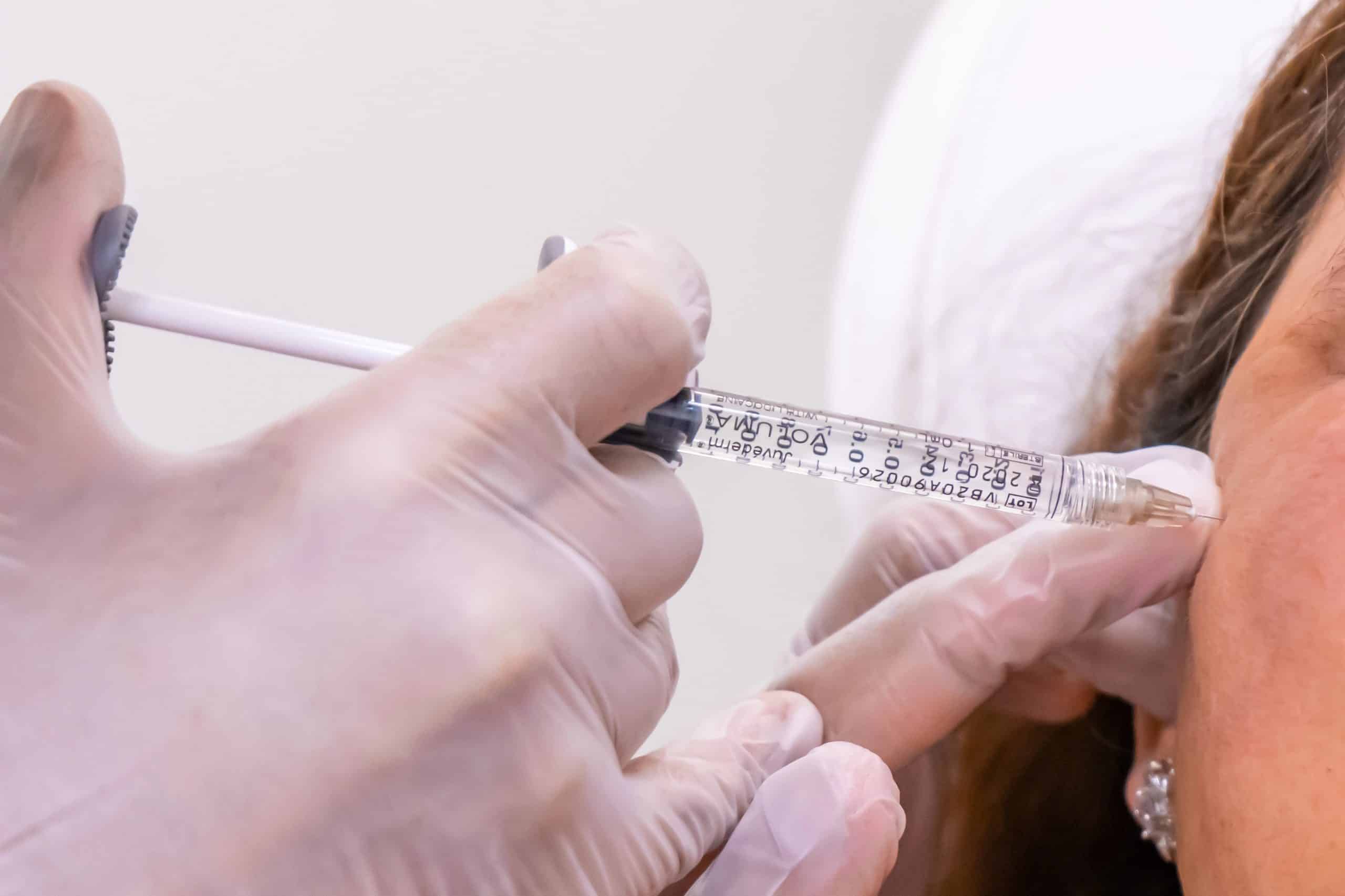
Teen Acne Isn’t Just a Phase: How You Can Manage Breakouts Without Wrecking Your Skin
Acne can feel like terrible timing with excellent consistency. It shows up before school photos, big games, dates, and random Tuesday afternoons when you were already running late. If you’re trying to figure out what actually helps, you’re not alone. In places with cold winters, humid summers, and long school-day stress like many Midwestern communities, your skin can get pushed in every direction. A smart routine matters more than trendy hype.
What acne actually is and why your skin keeps acting up
Acne starts when oil, dead skin cells, and bacteria clog your pores. Then your skin throws a tiny rebellion. You might get whiteheads, blackheads, inflamed pimples, or deeper cystic bumps that seem to have personal grudges.
Hormones are a major player, especially during the teen years. They can increase oil production and make your pores more likely to clog.
Other common triggers include:
– Stress from school, sports, work, or poor sleep
– Heavy skincare or makeup products that trap oil
– Touching your face a lot during the day
– Sweat sitting on your skin after practice or workouts
– Family history, which can make acne more stubborn
Acne isn’t a sign that you’re dirty. In many cases, people over-wash and irritate their skin, which only adds chaos to the situation.
When over-the-counter products are not enough
Sometimes acne moves beyond the “just use face wash” stage. If you have painful cysts, dark marks that linger, or scars starting to form, it may be time to get professional help instead of playing product roulette.
A dermatologist or acne-focused clinic can assess what kind of acne you have and recommend treatments based on your skin type and severity. That might include prescription creams, oral medications, chemical peels, or treatment plans built for recurring breakouts.
If you’re looking into specialized care, Spotless Acne Clinic focuses on targeted acne treatment that goes beyond the general skincare products you might find on a store shelf.
Professional support can also save money over time. Buying six trendy products that don’t work is expensive. So is pretending a deep, painful breakout will politely fix itself.
The biggest mistakes people make when trying to clear acne
A lot of acne advice sounds confident and turns out to be nonsense with a nice label. Scrubbing harder, using random products from five different brands, or popping every blemish can make things worse fast.
When you over-clean your face, your skin barrier gets irritated. That often means more redness, more dryness, and sometimes even more oil as your skin tries to compensate. Quite the plot twist.
Watch out for these common mistakes:
– Washing your face more than twice a day
– Using harsh scrubs with rough particles
– Layering too many active ingredients at once
– Picking at pimples and causing scarring
– Expecting overnight results from any product
You also don’t need a 12-step skincare routine. A routine that feels like a chemistry final usually won’t stay consistent. Simple tends to win because you can actually stick with it.
What a realistic acne routine should look like
A useful routine should help your skin calm down, not start a civil war on your face. For most teens, that means a gentle cleanser, one acne treatment, a light moisturizer, and sunscreen in the morning.
A basic routine often looks like this:
– Morning: gentle cleanser, non-comedogenic moisturizer, sunscreen
– Night: gentle cleanser, acne treatment, moisturizer
Look for ingredients with real evidence behind them, such as:
– Salicylic acid for unclogging pores
– Benzoyl peroxide for acne-causing bacteria
– Adapalene for preventing clogged pores and breakouts
– Niacinamide for calming redness and supporting the skin barrier
Introduce one active ingredient at a time. If you start three new products in one week and your skin freaks out, you won’t know the culprit. Your skin deserves better detective work.
How food, sleep, and stress can affect your breakouts
Skincare matters, but your daily habits can quietly influence your skin too. No, chocolate doesn’t automatically summon a pimple by magic. Still, some patterns are worth noticing.
For some people, high-glycemic foods like sugary drinks, candy, and heavily processed snacks may worsen breakouts. Dairy can also be a factor for certain individuals, though not for everyone. Keep it observational, not obsessive.
A few habits that may help:
– Get regular sleep, even when homework stacks up
– Change pillowcases often
– Shower after sweating when possible
– Drink enough water during the day
– Pay attention to foods that seem to trigger flares
Stress can also increase inflammation and hormone shifts. If your skin tends to flare during exams, family tension, or packed schedules, that isn’t your imagination. Your body keeps receipts.
How acne can affect your confidence and what actually helps
People love to say “no one notices your skin,” which is comforting for about three seconds. You notice it. That matters. Acne can affect confidence, social plans, sports photos, presentations, and just how you feel walking into class.
That emotional side deserves attention. Managing acne isn’t only about looks. It’s also about comfort, confidence, and feeling more in control of your day.
A few practical ways to protect your mental space:
– Avoid comparing your skin to filtered photos online
– Give treatments at least several weeks before judging results
– Talk to a parent, doctor, or counselor if acne is affecting your mood
– Remember that skin healing is rarely linear
You might have a good week, then a random flare-up appears like it missed the group chat. That doesn’t mean your routine failed. Progress with acne often comes in uneven steps.
What to expect if you want long-term results
The most helpful mindset is patience with structure. Acne treatment usually takes weeks, not days. Some products can cause mild dryness or purging at first, especially retinoids, before your skin starts improving.
Long-term results often come from consistency more than intensity. Stick with a routine, track what changes, and avoid switching products every time a new trend shows up on your feed pretending to be revolutionary.
Keep these expectations realistic:
– Mild acne may improve in 6 to 8 weeks
– Moderate to severe acne often takes longer
– Scars and dark spots usually need separate treatment
– Sunscreen helps prevent marks from getting darker
– Maintenance matters even after your skin clears
You don’t need perfect skin. You need skin that feels healthier, calmer, and easier to manage. That goal is a lot more useful, and a lot less exhausting, than chasing flawlessness.