
Lawn Mower Performance Factors That Impact Results
A lawn mower can have a strong engine and still leave the yard looking rough if key performance factors fall out of balance. Cutting quality, power, and mower setup all work together with lawn conditions to shape the final result you see after every pass. Homeowners often blame the mower brand when the real issue lies in dull blades, wrong deck height, or wet, thick grass. By understanding how mower design, maintenance, and yard conditions interact, you can quickly spot problems and fix them. The result is a healthier lawn, cleaner stripes, and less time spent re‑mowing uneven patches.
What Factors Affect Lawn Mower Performance the Most?
Engine Power, Motor Output, and Overall Efficiency
Engine or motor output sets the baseline for how well a lawn mower handles dense or tall grass. Gas engines use horsepower and torque, while electric and battery models use watts and voltage. A high‑output mower keeps blade speed steady under load, so it cuts rather than tears. Efficiency matters as much as raw power. Efficient engines waste less fuel, run cooler, and maintain consistent RPM. Battery mowers with smart controllers adjust power on demand to extend runtime. Match power to yard size and grass type. Underpowered mowers bog down and stall, but oversized units waste energy and feel heavy or clumsy.
Blade Sharpness, Blade Design, and Cutting Quality
Blades drive cutting quality more than any other single part. Sharp blades slice grass cleanly, reducing stress and helping each blade heal faster. Dull blades rip and shred, leaving brown tips and an uneven surface. Blade design also shapes performance. High‑lift blades create strong airflow that pulls grass upright for bagging, while mulching blades recirculate clippings into fine pieces. Some specialty blades handle sandy soil or thick, coarse grass better. Balance matters too. Unbalanced blades create vibration, strain bearings, and reduce cut quality. Inspect blades regularly, sharpen when you see frayed tips, and replace damaged edges.
Deck Size, Cutting Width, and Mowing Productivity
Deck size and cutting width determine how many passes you need to complete the lawn. A wider deck covers more ground per pass, which boosts productivity on large, open yards. However, wide decks feel awkward in narrow spaces, small gates, or heavily landscaped areas. They may also scalp uneven ground more easily. Smaller decks turn tighter, fit between obstacles, and allow more precise trimming along beds and paths. Deck design also affects airflow and clipping dispersal. Deep, well‑ventilated decks lift grass more evenly and improve mulching performance. Choose a deck width that fits your yard layout, storage space, and mower power.
How Do Lawn Conditions Influence Mowing Results?
Grass Type, Grass Height, and Lawn Density
Different grass types place different demands on a lawn mower. Cool‑season grasses like fescue and bluegrass can grow dense and tall, requiring sharp blades and steady power. Warm‑season grasses like Bermuda often spread low and tough, so they need more frequent, lighter cuts. Grass height plays a huge role. Cutting more than one‑third of the blade in one pass stresses the lawn and slows the mower. Thick, lush turf adds resistance that can bog down weak engines. Adjust your mowing schedule to the growth rate and density. Frequent mowing at the right height keeps resistance low, promotes tillering, and improves the finish.
Weather Conditions, Moisture Levels, and Seasonal Changes
Weather and moisture levels can make a great mower perform poorly if you cut at the wrong time. Wet grass bends under the deck rather than standing tall, resulting in uneven cuts and clumping. Moist clippings stick to decks, clog chutes, and strain motors. Dry, stressed lawns in summer need a higher cutting height to protect roots from heat. Heavy spring growth demands more frequent cuts and sometimes slower mowing speeds. Seasonal changes also affect soil softness, which impacts traction and the risk of scalping. Plan mowing around dry windows, early morning or late afternoon, and adjust your schedule as growth rates shift.
Terrain, Slopes, Obstacles, and Ground Conditions
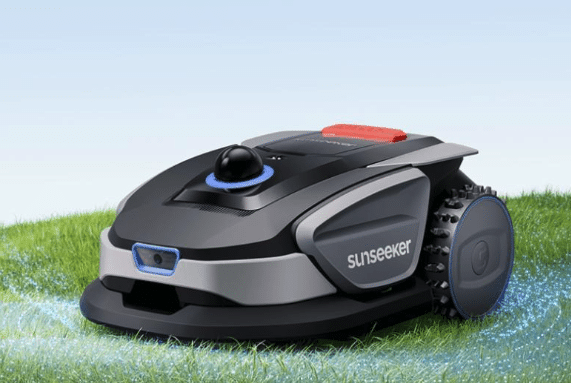
Uneven terrain and slopes influence both safety and cut quality. On steep slopes, mowers can lose traction, which leads to missed strips or scalping as wheels slip. Bumpy ground makes deck height fluctuate, leaving high spots and bare patches. Rocks, tree roots, and hidden debris can damage blades and spindles. Ground softness after rain increases rutting and wheel marks. For yards with complex layouts, narrow paths, and layered garden spaces, consider smarter navigation. For complex yard layouts, check out the Sunseeker S4 or more lawn mower robots for trickier layouts, which use advanced mapping, AI vision, and precise route planning to navigate winding paths and narrow passages.
How Can You Improve Lawn Mower Performance and Achieve Better Results?
Follow a Consistent Lawn Mower Maintenance Schedule
Regular maintenance keeps power, cutting quality, and safety at their best. Start each season with fresh oil, clean filters, and new spark plugs on gas mowers. For electric models, inspect batteries, cords, and connections. Sharpen blades at least once per season, more often if you mow sandy or large areas. Clean the underside of the deck to improve airflow and prevent rust. Check tire pressure, belts, cables, and safety switches. Lubricate moving parts to reduce wear and friction. Keep the fuel system clean by using fresh fuel and stabilizers. A simple checklist and calendar reminder can prevent breakdowns and poor performance.
H3: Adjust Cutting Height and Mowing Techniques Correctly
Cutting height directly affects lawn health and mower workload. Set the deck high enough to remove only the top third of the grass blade. Taller grass shades soil, blocks weeds, and keeps roots cooler. Make small height adjustments when seasons change rather than big jumps. Use overlapping passes to avoid missed strips. Alternate mowing patterns to prevent ruts and grain in the grass. Slow down in dense or wet areas instead of forcing the mower. Avoid turning sharply with the blades engaged on delicate turf. Simple changes in height and technique produce visibly smoother, healthier results with the same machine.
Choose the Right Lawn Mower for Your Yard Size and Needs
The best mower for performance is the one that matches your yard, not your neighbor’s. Small, flat lawns often suit corded or compact battery mowers with modest decks. Medium yards with mixed grass and obstacles may need self‑propelled units and stronger batteries or engines. Large or sloped properties benefit from riding mowers, zero‑turns, or robotic options. For layered gardens, winding paths, and irregular layouts, robotic mowers with advanced navigation perform well. Models like the robot lawn mower Sunseeker S4 use smart mapping, AI vision, and precise route planning to navigate narrow passages and complex areas, reducing missed grass, wheel marks, and repeated tracks.
Conclusion
Lawn mower performance depends on more than engine size or brand name. Power, blade sharpness, deck design, and proper setup must work together with grass type, moisture, and terrain. When you understand these factors, you can fine‑tune mowing height, patterns, and timing to protect lawn health and improve appearance. Regular maintenance keeps every component working efficiently and prevents small issues from becoming major repairs. Finally, matching the mower type to your yard layout, including robotic options for complex spaces, ensures consistent, high‑quality cuts. With a thoughtful approach, each mowing session delivers faster work, cleaner lines, and a stronger lawn.