How to Protect Outdoor Plumbing Before Freezing Weather Arrives
Freezing weather can cause serious damage to outdoor plumbing. When water trapped inside a pipe, valve, hose or fitting freezes, it expands and creates pressure within the plumbing system. That pressure can crack pipes, damage outdoor faucets and cause leaks that may not become visible until temperatures rise again.
A little preparation before the first freeze can help homeowners avoid water damage, emergency repairs and unnecessary replacement costs. The exact steps required will depend on your climate, home design and local plumbing requirements, but the following precautions provide a practical starting point for protecting outdoor plumbing.
Disconnect and Store Garden Hoses
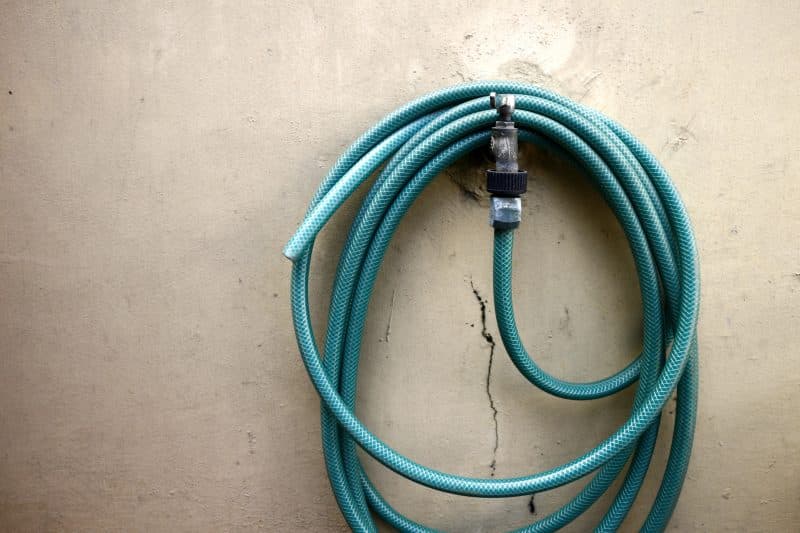
One of the simplest winter preparation tasks is disconnecting every garden hose from its outdoor faucet.
A connected hose can trap water inside both the hose and the faucet. When that water freezes, pressure may build inside the faucet or the pipe behind the wall. This can damage even a frost-free sillcock if the hose prevents the fixture from draining properly.
After disconnecting the hose:
- Hold or stretch it at an angle so trapped water can drain.
- Check the hose for cracks, splits or damaged connectors.
- Coil it loosely to prevent kinks.
- Store it in a garage, shed or another protected location.
Also disconnect splitters, spray nozzles, timers and quick-connect fittings. These small accessories can retain water and crack during freezing weather.
Shut Off and Drain Outdoor Water Lines
Some homes have indoor shut-off valves controlling individual outdoor faucets or irrigation lines. If your plumbing system includes these valves, close them before freezing temperatures arrive.
After closing the indoor valve, open the outdoor faucet and allow the remaining water to drain. Leave the faucet open temporarily while the line empties. Some shut-off valves also include a small bleeder cap or drain port that allows trapped water to escape from the pipe.
Place a container beneath the drain point before opening it, and close the drain cap once the line has emptied. Do not force a valve that is stuck, heavily corroded or difficult to turn. Excessive force can damage the valve stem or connected pipe.
Homeowners replacing worn shut-off valves or preparing for minor plumbing repairs can find plumbing valves, fittings and repair supplies from PlumbingSell.
Inspect Frost-Free Sillcocks
Frost-free sillcocks are designed to reduce the risk of freezing by placing the shut-off mechanism farther inside the building, where temperatures are usually warmer. When installed correctly, water drains from the exposed section after the faucet is turned off.
However, the term “frost-free” does not mean the fixture cannot freeze.
Check that the sillcock slopes slightly downward toward the exterior. This position allows water to drain rather than collect inside the barrel. Make sure no garden hose or accessory remains attached, and look for signs of damage such as:
- Water dripping after the faucet is closed
- A loose handle
- Corrosion around the body or connection
- Cracks in the faucet housing
- Water stains on the interior wall near the pipe
If a frost-free sillcock continues leaking or does not appear to drain, it may need a new washer, cartridge, vacuum breaker, or complete replacement. Problems involving concealed piping or inaccessible wall connections should generally be inspected by a licensed plumber.
Insulate Vulnerable Pipes and Fixtures
Pipes located in unheated garages, crawl spaces, utility areas, exterior walls and under raised floors are especially vulnerable to freezing.
Foam pipe insulation can help slow heat loss from exposed water lines. Select insulation that closely fits the pipe diameter, cover the entire exposed section, and seal any gaps around elbows, tees, and valves. Outdoor faucet covers can also provide extra protection for wall hydrants and standard hose bibs.
Insulation does not produce heat, so it may not be enough during long periods of extreme cold. Pipes in especially exposed locations may require additional protection or changes to the plumbing layout.
Pay close attention to gaps where pipes pass through walls or floors. Cold air entering through these openings can quickly lower the temperature around the pipe. Seal suitable gaps with materials approved for the location while avoiding interference with valves, vents, or required clearances.
Locate Indoor Shut-Off Valves Before an Emergency
Homeowners should know where the main water shut-off valve is located before freezing weather begins. It may be found near the water meter, in a basement, garage, utility room, crawl space or close to where the main supply line enters the house.
Test the valve carefully to confirm that it is accessible and operable. Do not wait until a pipe bursts to discover that the valve is hidden behind stored items or too corroded to move.
It is also helpful to identify any smaller shut-off valves that control outdoor faucets, irrigation systems, detached garages, or other exterior plumbing. Clearly labeling these valves can make it easier to quickly isolate a damaged section.
If a valve appears damaged, leaks around the stem, or cannot fully stop the water, repair or replacement may be necessary. Appropriate plumbing repair supplies and fittings can help homeowners or plumbing professionals prepare for common maintenance work.
Check for Damage After a Freeze
Even well-prepared plumbing should be inspected after unusually cold weather.
When temperatures rise, slowly restore water to any lines that were shut off. Watch exposed pipes, fittings, sillcocks and nearby walls for dripping, moisture or unusual sounds. A pipe damaged by freezing may not leak until the ice inside has completely melted.
Warning signs can include reduced water pressure, water stains, damp insulation, puddles, cracked fittings or an outdoor faucet that no longer operates correctly. Shut off the affected water supply and contact a plumber if you suspect a concealed leak or burst pipe.
Final Thoughts
Protecting outdoor plumbing is easier and less expensive than repairing freeze damage. Disconnect hoses, drain exposed lines, inspect frost-free sillcocks, insulate vulnerable pipes and locate indoor shut-off valves before temperatures fall.
Climate conditions, building construction and plumbing codes vary by location. Homes in areas with frequent hard freezes may need more extensive winterization than those in areas with only occasional cold nights. When in doubt, consult a qualified local plumber to determine the most appropriate protection for your property.