How the Right Flowers Turn Any House into a Home
Fresh blooms shift a room’s energy within minutes. A 2022 study by Rutgers University found that participants who received flowers reported elevated moods for an average of three days afterward. That emotional lift doesn’t stop at the recipient – cut stems on a kitchen counter or a potted orchid near a window can reshape how every visitor experiences a space. Whether you pick up a $7 grocery-store bunch or invest in a curated arrangement, the right flowers anchor a room with warmth, color, and subtle fragrance that no candle or throw pillow can replicate.
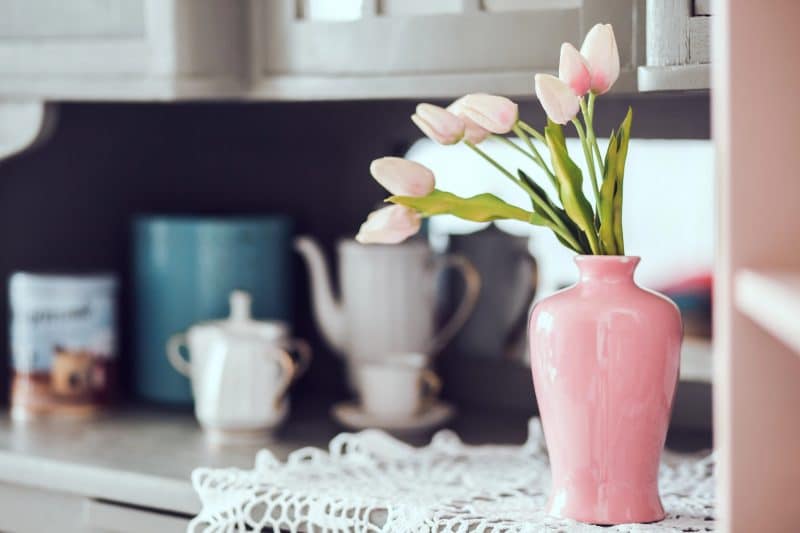
Why blooms change the way a room feels
Color psychology drives much of the effect. Warm tones – peach roses, amber dahlias, golden sunflowers – stimulate feelings of comfort and intimacy. Cool shades – lavender, blue delphinium, white peonies – calm the nervous system and lower perceived room temperature by up to 2–3 °F, according to research published in the journal Environment and Behavior in 2019. Scent matters just as much. Jasmine reduces anxiety markers in the brain, and a single gardenia stem can perfume a 150-square-foot bedroom for five days.
Texture adds another layer. Fuzzy lamb’s ear leaves paired with smooth tulip petals create visual contrast that draws the eye and holds attention. Interior designers call this “botanical layering,” and Joanna Gaines popularized the technique on HGTV’s Fixer Upper starting in 2013. The approach works in a 400-square-foot studio just as well as in a sprawling farmhouse.
Five flowers that immediately say “welcome”
- Sunflowers – Native to North America, these blooms last 7–10 days in a vase and radiate cheerfulness from any countertop.
- Garden roses – David Austin varieties like “Juliet” carry a strong myrrh-and-fruit scent that fills a living room without artificial sprays.
- Eucalyptus stems – Technically foliage, but a $4 bundle from Trader Joe’s releases menthol notes that freshen stale air for up to three weeks when dried.
- Hydrangeas – One head spans roughly six inches across, so a single stem fills a mason jar and creates a centerpiece effect on its own.
- Lavender – The National Sleep Foundation links lavender aroma to deeper sleep, making the living variety perfect for nightstands.
Room-by-room placement that actually works
Kitchen and dining area
Herbs pull double duty here. A potted basil plant costs about $3 at most grocery stores, freshens the air, and goes straight into dinner. For a more decorative touch, place ranunculus or sweet peas in a low, wide vessel – tall arrangements block conversation across a table. Keep stems away from the stove: heat above 85 °F shortens vase life by roughly 40%.
Living room
Go bold. A tall branch arrangement – cherry blossoms in spring, dried cotton stems in fall – anchors an empty corner and adds vertical drama. Place the vessel on the floor or a low console. Visitors tend to comment on branch displays far more often than on traditional bouquets, probably because the scale surprises them.
Entryway
First impressions land fast. A compact arrangement near the door – think 5–7 stems of seasonal blooms in a simple ceramic pot – signals care and intentionality. Seasonal rotation keeps things interesting: daffodils in March, zinnias in July, chrysanthemums by October.
Bedroom
Stick to low-fragrance or sleep-friendly varieties. Peonies look stunning but can trigger allergies in enclosed spaces. Gardenias and lavender work better. Avoid lilies – pollen from Stargazer lilies stains fabric on contact, and the scent can overwhelm a small room.
Beyond your own rooms: flowers as a gesture
Flowers don’t just transform your house. Sending a bouquet to someone else’s home carries the same effect. A friend moves into a new apartment – a bright arrangement on moving day instantly warms bare walls and cardboard-box chaos. Someone helps you through a tough week – thank you flowers communicate gratitude in a way that a text message simply cannot. The act of choosing stems for another person’s space shows that you care about their comfort, not just the occasion.
Most floral retailers focus almost exclusively on occasion-based gifting – birthdays, holidays, apologies. Very few talk about how a delivered bouquet literally changes the atmosphere inside someone’s home. That shift matters. A 2021 survey by the Society of American Florists found that 65% of respondents placed gifted flowers in their most-used room, meaning the blooms shaped daily mood for the entire household.
Practical tips to keep home blooms alive longer
- Trim stems at a 45-degree angle every two days – the angled cut exposes more surface area and boosts water uptake by approximately 25%.
- Add one teaspoon of sugar plus two drops of bleach per quart of water – the sugar feeds the stems while the bleach fights bacterial growth.
- Remove any leaf that sits below the waterline – submerged foliage decays within 48 hours and clouds the water with bacteria.
- Keep arrangements out of direct sunlight and away from fruit bowls – ripening bananas and apples release ethylene gas, which accelerates wilting.
With these steps, most cut flowers last 10–14 days instead of the typical 5–7.
What your flower choices reveal about your style
A home filled with wildflower mixes – cornflowers, Queen Anne’s lace, small daisies – tends to signal a relaxed, bohemian sensibility. Monochrome arrangements of white roses or calla lilies lean minimalist and modern. Mixed tropical bunches (birds of paradise, anthuriums, protea) suggest someone who loves bold color and doesn’t mind a little visual chaos. None of these approaches cost more than the others; a 10-stem bunch of white roses at Whole Foods runs about $12.99, roughly the same as a mixed wildflower wrap.