
The Benefits of Temporary Freezer Space for Food Businesses
When “just enough” cold storage stops being enough
Most food businesses try to size their freezer space for a normal week. That’s sensible—until it isn’t. A retailer runs a promotion that outperforms forecasts. A processor lands a one-off contract. A caterer has three large events back-to-back. Suddenly, the freezer that felt comfortably roomy becomes a bottleneck.
And the consequences aren’t minor. Limited frozen capacity can force rushed production schedules, smaller buying volumes, more frequent deliveries, and (in the worst cases) stock loss. Even when nothing spoils, the constant juggling adds labor, stress, and risk—exactly when teams are already stretched.
Temporary freezer space solves a specific problem: it gives you breathing room when demand, supply, or operations don’t fit neatly into your fixed footprint. The value isn’t just “more space.” It’s flexibility, resilience, and often a surprising amount of financial control.
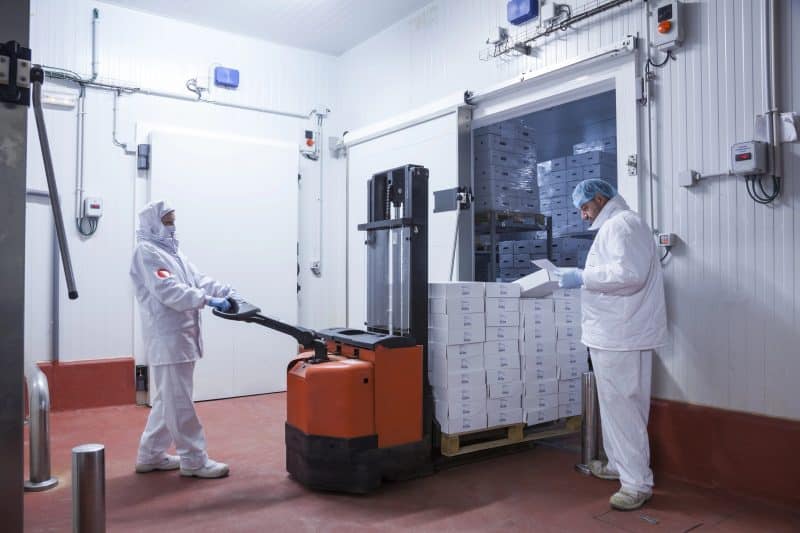
Flex capacity without long-term commitments
Handle seasonal peaks and promotional surges
In many categories—frozen bakery, meat, ready meals, desserts—demand isn’t flat. It spikes around holidays, school terms, and promotional periods. If you invest in permanent freezer expansion to cover the busiest month of the year, you’ll pay for that extra capacity every other month too.
Temporary freezer space lets you match storage to reality. You scale up ahead of predictable peaks, then scale back when the rush subsides. That sounds simple, but it has a knock-on effect: you can plan production earlier, buy ingredients in better quantities, and avoid last-minute logistics premiums.
Protect margins when supply chains get weird
Supply disruptions don’t just affect availability—they affect timing. Sometimes you need to take delivery early because a supplier can’t meet your normal schedule. Sometimes you spot a price window and want to buy ahead. Without storage, you’re forced to say no to otherwise smart decisions.
That’s where temporary freezer capacity becomes a margin tool. It can allow you to:
- accept larger drops at better unit pricing,
- consolidate deliveries to reduce transport costs,
- build buffer stock for high-velocity lines without cramming shelves.
(And yes, that’s the one and only bullet list—because sometimes a quick summary earns its keep.)
Operational breathing room during change
Stay productive during refurbishments, repairs, and relocations
Refitting a kitchen, upgrading a cold room, or moving premises is rarely tidy. The work takes longer than you want, and the “temporary” workarounds tend to multiply. A short-term freezer solution can keep stock secure and operations moving, rather than forcing you into daily emergency runs to buy what you can’t store.
This is also a quiet win for staff workflow. If your team isn’t constantly rotating stock between overfilled freezers, they can focus on production, service, and quality control—the things customers actually notice.
Support growth without rushing capital decisions
Fast growth is great, but it can trick businesses into permanent builds before they fully understand their new baseline. Temporary freezer space acts like a pressure-release valve: you can keep up with demand while you evaluate whether growth is sustained, which product lines are driving it, and what kind of long-term storage you truly need.
Around this point, many operators start comparing options: off-site warehouses, additional on-site cold rooms, or modular/free-standing solutions. If you’re exploring large-scale frozen storage for hire, the key is to treat it as part of your operational strategy—not a last-minute panic. The best results come when you plan capacity like you plan labor: anticipate the peak, build in contingency, and keep the business steady.
Food safety and compliance: reducing risk, not just temperature
Maintain proper stock rotation and segregation
When freezer space gets tight, best practice slips first. Boxes stack in awkward places. Labels become harder to read. Segregation between allergens, raw ingredients, and ready-to-eat items can break down. Even if temperatures remain compliant, traceability and hygiene can take a hit.
Extra capacity makes good practice easier:
- clearer zoning by product type, customer, or allergen profile,
- better access for First In, First Out rotation,
- fewer “temporary” piles that become permanent hazards.
Improve temperature control under load
Overloading freezers is common in peak periods—and it’s risky. Airflow matters. When units are packed beyond their designed circulation, temperature recovery slows after door openings and defrost cycles. That’s when you start seeing localized warm spots, ice build-up, or inconsistent product quality (freezer burn, texture changes, packaging failures).
Temporary freezer space helps you distribute load properly. It’s not just about fitting more pallets in; it’s about keeping the cold chain stable under real operating conditions.
Better purchasing power and smarter production planning
Buy in bulk without compromising quality
For many businesses, bulk buying is only profitable if you can store product correctly. If you have to cram extra cases into already full freezers, any saving on unit cost can be wiped out by waste, damaged packaging, or quality complaints.
With temporary capacity, bulk purchasing becomes a controlled decision rather than a gamble. You can negotiate better terms, accept larger deliveries, and time your buying around market fluctuations—especially useful for commodities where pricing moves quickly.
Smooth production and reduce overtime spikes
Production teams know the pain of “make it today because there’s nowhere to put it tomorrow.” That approach drives overtime, compresses QA checks, and increases the chance of errors in weighing, labeling, or batching.
When storage constraints ease, you can level-load production. Make ahead when labor is available, freeze promptly, and hold inventory safely until dispatch. The result is often fewer late shifts and fewer stressful changeovers—both of which reduce operational risk.
Practical considerations before you add temporary freezer space
Decide what problem you’re solving
Not all “we need more freezer space” problems are the same. Are you trying to hold more finished goods? Create a quarantine area for QA? Separate allergens? Bridge a refurbishment? Your answer affects the type of solution you choose, how long you need it, and where it should sit in your workflow.
Ask the unglamorous questions
Before committing, think through the details that make or break cold storage in practice:
- Access and flow: How will stock move in and out without disrupting service or dispatch?
- Monitoring: Who checks temperatures, and how are records kept?
- Power and contingency: What’s the plan for outages, alarms, and after-hours response?
- Layout: Can you maintain safe aisles, stacking limits, and clear labeling?
These considerations aren’t “red tape.” They’re the difference between gaining flexibility and adding another operational headache.
The bottom line: flexibility is a competitive advantage
Temporary freezer space rarely shows up in glossy brand stories, but it quietly supports the work that keeps food businesses profitable: buying smart, producing steadily, staying compliant, and serving customers without last-minute compromises. If your operation is growing, seasonal, or simply subject to the realities of modern supply chains, flexible frozen capacity can be the buffer that keeps everything else running on time—and on standard.