How To Make the Most of a Wildlife Adventure in the Maasai Mara
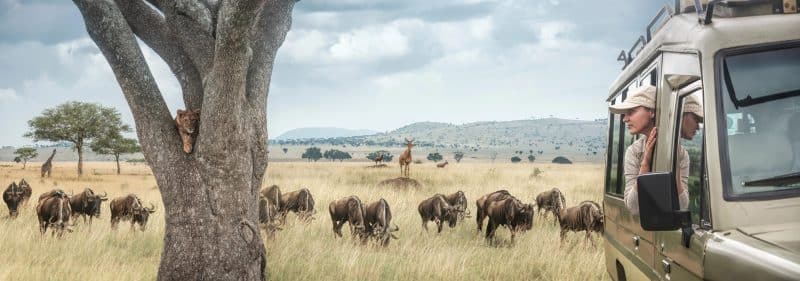
The Maasai Mara rewards curiosity. Yes, it’s home to the Big Five and the famous river crossings, but the real magic is in the smaller moments: a lilac-breasted roller lifting off a thorn tree, the hush before dawn when hyenas whoop in the dark, the way a pride of lions melts into long grass. To get those moments, you need more than luck—you need a plan that leaves room for surprise. If you’re comparing itineraries, treat them as frameworks, not scripts; something like a thoughtfully paced Masai Mara wildlife journey can be a useful reference point for what “enough time in the field” actually looks like. The tips below will help you make any Mara safari richer, calmer, and more rewarding.
Choose timing with intention, not hype
Understand the Mara’s seasons
The Mara is strong year-round, but the headline events shift. The Great Migration typically peaks from July to October, when huge herds and predators concentrate around the Mara River. January and February are often underrated: many herbivores are calving, the grasses are shorter, and predator action can be intense. March to May brings long rains; fewer visitors and dramatic skies can be wonderful, though some roads get challenging.
Balance wildlife goals with crowd levels
If your priority is solitude, consider traveling in the shoulder periods—late June, early November, or early December—when you can still see big numbers of animals without the busiest riverbank clusters. Whatever month you pick, build in at least three full game-drive days. The first day teaches your eyes what to notice; the next days deliver the sightings.
Set yourself up for better sightings
Start early, stay out late
Wildlife operates on temperature. Predators are often active at dawn and dusk, while midday can be quieter. A classic rhythm works for a reason: early morning drive, brunch and rest, then an afternoon drive that runs to sunset. If your camp offers it, a full-day drive with a packed lunch can be excellent during migration season, when leaving the river can mean missing the action.
Think in habitats, not species
Rather than “I want a cheetah,” ask, “Where would a cheetah hunt today?” Open plains favor speed hunters; riverine woodland can mean leopards; rocky outcrops often host lions and lookouts for vultures. Good guides read wind, tracks, alarm calls, and even bird behavior. Help them help you by sharing what you enjoy—birds, big cats, photography, or learning the landscape.
Travel responsibly and you’ll see more
Respect distance and the animal’s choices
Close doesn’t always mean better. Animals behave naturally when vehicles give them space and a clear escape route. If you ever see repeated head turns, ears pinned back, or a mother moving her young away, you’re too close. A responsible approach leads to longer, calmer sightings—and better images.
Choose areas that match your style
The National Reserve has iconic density, but private conservancies around it can offer different rules: fewer vehicles at sightings, the possibility of night drives, and more flexibility in where you stop. Even if you spend most time inside the Reserve, one conservancy day can change the feel of your trip.
Make your camera (and your eyes) work together
Shoot for storytelling, not trophies
The Mara can tempt you into a “collecting” mindset: lion, check; elephant, check. Try building a narrative instead—courtship, a hunt, a calf learning to use its trunk, a herd crossing at a cautious pace. Those sequences become the memories you keep returning to.
A few practical settings that save frustration
If you’re using a phone, lock focus and exposure before an animal moves into strong backlight. With a dedicated camera, a shutter speed of 1/1000 or faster helps for running scenes; for portraits, don’t be afraid to drop lower and let the background soften. Most importantly, take a few minutes each day with the camera down. Your best “photos” might be the ones you never take.
Pack for comfort and calm decision-making
The Mara is dusty, sunny, and surprisingly cool in the early hours. One smart packing rule: carry less, but carry the right things. Here’s a short list that improves almost every day:
- A warm layer for dawn and an easy rain shell
- Binoculars (often more valuable than a longer lens)
- A buff or scarf for dust, plus eye drops if you wear contacts
- Refillable water bottle and electrolytes for long drives
- A small daypack and power bank for devices
Add meaning beyond wildlife
Learn a little Maasai context
You’re traveling through a living landscape, not a theme park. Ask respectful questions about grazing, coexistence with predators, and how conservancies are funded. If you visit a community, go in with the same mindset you’d bring to someone’s home: listen more than you speak, and avoid treating people as photo opportunities.
Support conservation in practical ways
Conservation is not abstract here; it’s jobs, land-use decisions, and tolerance for animals that can damage crops or threaten livestock. Pay attention to camps and operators that talk transparently about community revenue, guide training, and anti-poaching partnerships. Even small choices—staying longer in one place rather than hopping daily—reduce vehicle pressure and your own travel fatigue.
Bring it all together
Plan around the light, give animals space, and ask better questions of your guide. With patience, the Mara reveals stories you’ll remember, not just sightings forever.