Screen-Free Learning Idea: Create a Country Template With Your Kids
If you’ve ever looked around your living room on a long afternoon and thought, “We need something different to do,” you’re not alone. Screens are easy, and sometimes they feel like the default when the weather is cold, schedules are packed, or everyone is a little restless.
Most parents want activities that keep kids busy while still building creativity and learning. Workbooks can feel dry, and totally open-ended free time doesn’t always spark ideas for every child. Some kids do best with a starting point, something that helps them turn a fun thought into a real project.
Designing an imaginary country together is one of those ideas. It feels like play, and it quietly builds real skills. Kids end up thinking about geography, culture, leadership, traditions, and storytelling without it feeling like a lesson.
Why Structured Creativity Helps Kids Think More Deeply
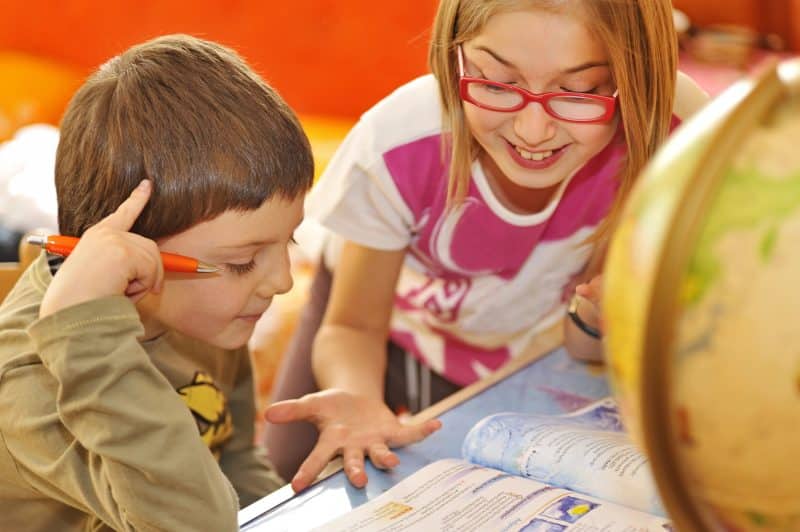
Kids are naturally imaginative, but their ideas often go further when there’s a little structure. When children have a clear framework, they tend to stick with an idea longer instead of moving on after the first quick answer. A simple prompt can turn “let’s pretend” into an hour of drawing, planning, and talking through possibilities.
Building a fictional nation is a great example. Instead of inventing a place and stopping at the name, kids start asking bigger questions: What does the land look like? Who makes the rules? What foods are common? What do people celebrate? Each choice leads to another, and the country starts to feel more real in their minds.
When kids begin mapping out their ideas using a country template, they often uncover details and connections they might not have considered otherwise. A mountain range might explain why certain foods are common. A long winter season could shape traditions or holidays. Those connections help kids see how separate ideas can fit together into a bigger picture.
This kind of structure can be especially helpful for reluctant writers. If “write a story” feels overwhelming, smaller creative steps can lower the pressure. Designing a flag, choosing a national animal, or naming a capital city feels doable. Before long, those details start to spark writing because there’s something concrete to build on.
Over time, projects like this build patience and follow-through. Kids learn that creativity grows when ideas are explored, shaped, and developed one choice at a time.
What Kids Learn When They Design Their Own Country
Designing an imaginary country is fun, and it builds real skills in a natural way. As kids create their nation piece by piece, they start thinking about how the world works and why communities look different from place to place.
Geography becomes more meaningful when children decide whether their country has mountains, farmland, forests, or a coastline. They begin noticing how the landscape affects climate, transportation, and even the kinds of jobs people might have. A snowy region might lean into winter festivals and cold-weather crops, while a coastal area could depend on fishing or trade.
Culture and community add another layer. When kids invent traditions, holidays, or favorite foods, they’re practicing perspective-taking. They think about what matters to the people who live there and how shared values bring a community together. The American Academy of Pediatrics touches on this in its guidance on the power of play, including how play supports social, emotional, and cognitive growth.
Leadership and rules bring in even more thoughtful conversations. Children might choose a president, a council, or a royal family. They may decide their country protects wildlife, limits pollution, or has community rules about helping neighbors. Those choices open the door to age-appropriate discussions about fairness, responsibility, and cooperation.
Creative writing often shows up on its own. As details build, many kids want to write short stories set in their country or create “informational” descriptions about daily life there. Instead of staring at a blank page, they have a whole world to pull from, which makes writing feel easier and more purposeful.
How to Create a Country Template Project at Home
You don’t need fancy supplies for this. A notebook and pencils work fine. Loose paper, markers, a poster board, or a binder can be fun; the real goal is giving kids space to build their ideas in an organized way.
Start with the basics: the country’s name and location. Is it surrounded by oceans? Hidden in a mountain range? Floating above the clouds? That first decision helps everything else fall into place.
Next, create the landscape. Encourage your child to draw a map with rivers, forests, cities, farmland, deserts, or snowy regions. Younger kids might enjoy coloring and labeling simple features. Older kids can add more detail and think through how geography affects everyday life. If the country is mostly desert, how do people get water? If it has a long winter, what do kids do for fun? How do people travel?
Then move into culture and traditions. What holidays are celebrated? What foods are popular? Are there special songs, dances, games, or community events? This is often the part kids love most because they can mix familiar traditions with brand-new ideas.
After that, talk through leadership and rules. Who is in charge, and how are decisions made? What are the “big rules” that help the country run smoothly? For some kids, this stays simple. For others, it turns into a full list of laws, responsibilities, and consequences.
Finally, add the details that make the country feel complete. Design a flag. Choose a national animal. Invent currency. Name the capital. Write a short paragraph describing a typical day for a citizen. Some kids like turning this into a mini book, while others prefer a big display they can show off at dinner.
Taking it step by step keeps the project manageable and helps kids see how each choice connects to the next.
Adapting the Activity for Different Ages
One of the best things about this project is that it grows with your child. A kindergartener and a middle schooler can both create a country, and the depth and expectations will look different. That’s completely fine.
For younger elementary kids, keep it simple and visual. They can name their country, draw a basic map, pick a favorite food, and choose a national animal. Short sentences, labels, or even just pictures are plenty. The goal is confidence and fun.
Upper elementary kids often enjoy adding more structure. They can write short paragraphs about traditions, create a list of laws, and explain how their government works. This age is also great for gentle real-world connections, like comparing their fictional country’s climate to a real place or noticing how geography affects what people eat and how they travel.
Middle schoolers may want to go deeper. They can draft a constitution, outline an economy, or write a short story set in their country. Some kids enjoy thinking through “what if” scenarios, like natural disasters, trade agreements, or how leaders handle conflict.
If you have multiple kids working together, assigning roles can help. One child can focus on geography, another on culture, and another on leadership. Collaboration adds practice in communication and compromise as they work toward one shared vision.
Adjusting the project to your child’s age keeps it enjoyable while still offering the right amount of challenge.
Turning It Into an Ongoing Learning Experience
Once your child has the basics of their country, it’s easy to keep the momentum going without making it feel like “school.” Revisiting the country later can be just as fun as creating it in the first place.
A simple extension is journaling from the perspective of someone who lives there. What does a school day look like? How does a family celebrate birthdays? What do people do on weekends? Writing from a character’s point of view strengthens storytelling skills and helps kids think about other perspectives.
You can also connect the project to real-world geography in a low-pressure way. If your child’s country has a cold climate, pull up a map and compare it to places with long winters. If the country is coastal, talk about ports, fishing, or how storms might affect travel. These conversations feel natural because they’re tied to something your child created.
Art and hands-on building can become part of it, too. Kids can redesign their flag, build a small model of the landscape using craft supplies, or create a travel brochure describing top attractions. Some children even enjoy making menus for a “national restaurant” or planning a pretend festival.
Families who enjoy learning through play may also appreciate ideas for using play to spark interest in STEM subjects, especially when you want activities that build problem-solving and curiosity without turning the day into a lesson plan.
Keeping the country project alive over time reinforces a simple idea: learning can grow from imagination, conversation, and a creative spark.
Conclusion
Finding meaningful screen-free activities can feel tricky, especially during long afternoons, winter weekends, or school breaks. Projects that blend creativity with a bit of structure tend to hold kids’ attention longer because they give kids room to dream while still offering a clear path forward.
Designing a country together lets kids build something from scratch and think carefully about how communities work. They explore geography, culture, leadership, and storytelling in a way that feels fun and natural. Along the way, they practice writing, problem-solving, and critical thinking without it feeling like an assignment.
Whether your child spends an hour sketching a map or keeps adding details for days, this kind of project creates space for conversation and connection. Sometimes the simplest activities, built around imagination and a few sheets of paper, end up being the ones kids remember most.