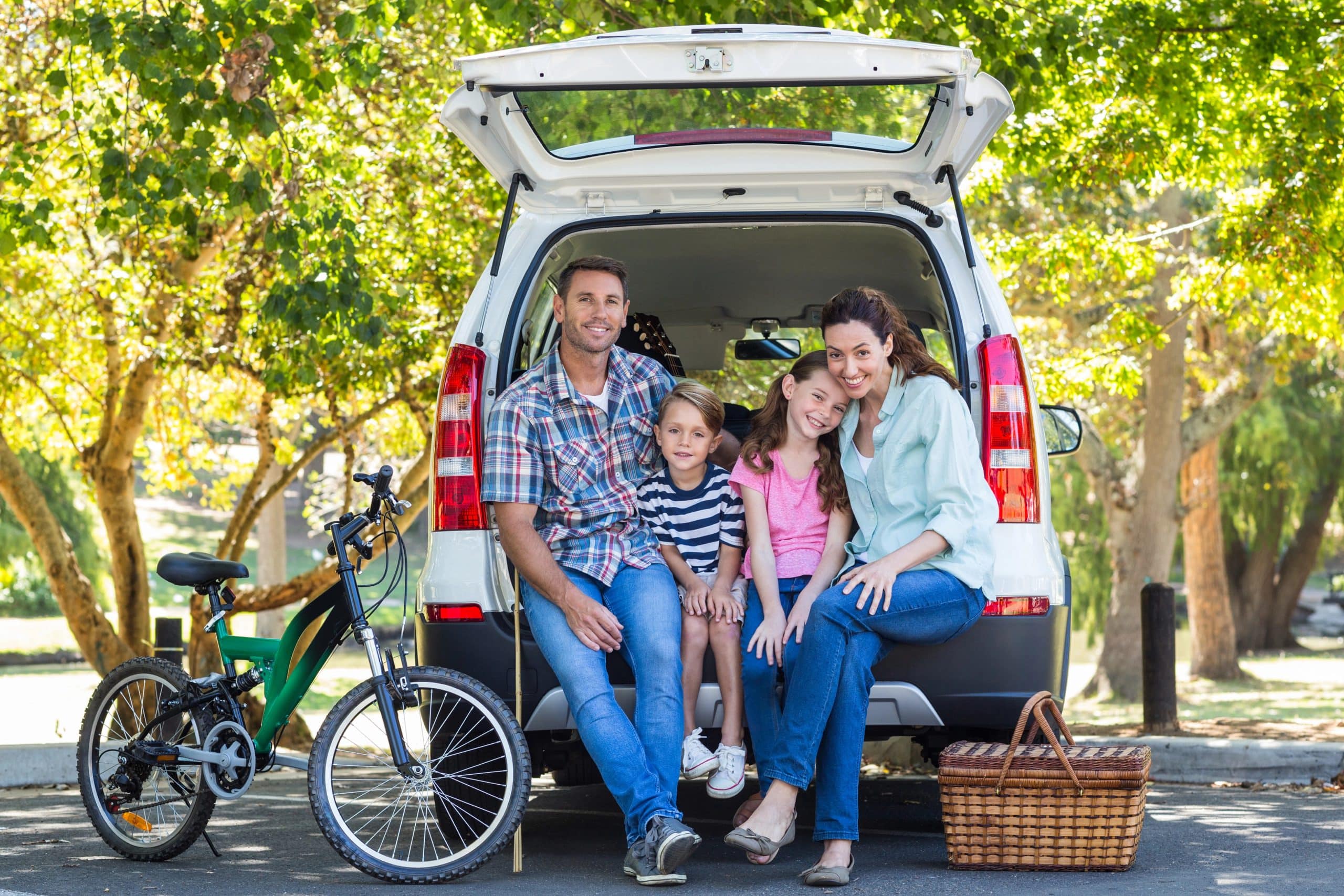
Your Garage, Basement, and Closets Could Be Hiding Your Family’s Next Side Income
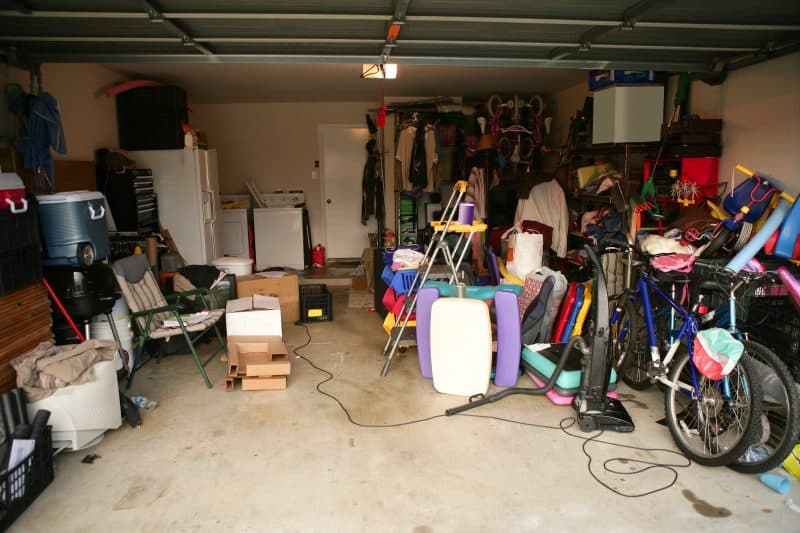
Open your garage on a Saturday morning, and you’ll probably find more than your family regularly uses.
There might be bicycles collecting dust, tools purchased for one home improvement project, or camping equipment waiting for another summer adventure.
The basement tells a similar story, with party supplies, seasonal equipment, and recreational items taking up valuable space. Meanwhile, bedroom closets hold children’s belongings that are still perfectly usable but no longer needed.
What if some of those forgotten purchases could help your family earn extra money?
Instead of allowing suitable household items to sit unused, families can explore renting them to neighbors who need them temporarily. It’s a practical way to make better use of existing belongings without starting a traditional business.
Which Household Items Could Generate Extra Income?
Not every unused possession makes a good rental item. However, belongings that are expensive to purchase, needed occasionally, and relatively easy to maintain may offer worthwhile opportunities.
The first step is identifying items that other families might reasonably want to borrow.
Look Beyond Your Everyday Essentials
Walk through your home and consider belongings that haven’t been used recently.
Some possibilities include:
- Bicycles: Extra adult bicycles for weekend outings or recreational activities.
- Camping equipment: Tents, sleeping bags, folding chairs, and portable tables.
- Party supplies: Decorations, folding tables, outdoor games, and serving equipment.
- Photography equipment: Cameras, tripods, and suitable accessories.
- Household tools: Drills, carpet cleaners, and pressure washers.
- Outdoor equipment: Lawn care tools and seasonal recreational items.
For Wisconsin families, seasonal belongings can be particularly relevant. Camping supplies might attract interest during warmer months, while suitable winter recreational equipment could be useful when temperatures drop.
Before listing anything, consider whether its potential rental income justifies cleaning, maintenance, storage, and possible damage.
Know Which Items Are Better Kept at Home
Some belongings are too fragile, expensive to repair, or personally important to rent comfortably.
For example, a family heirloom camera might have sentimental value that outweighs potential earnings. Similarly, specialized equipment requiring professional training may create unnecessary safety concerns.
Focus on durable items that you can maintain easily and would feel comfortable allowing another household to use.
How to Start Earning From Belongings You Already Own
Turning unused belongings into potential side income doesn’t require purchasing additional inventory. Families can begin with a few suitable items and assess whether their neighbors are interested.
An online marketplace provides a way to make those belongings visible to people searching for temporary access.
Create a Free Listing on Life4Rent
Families interested in exploring this opportunity can use Life4rent, a marketplace connecting people who want to rent belongings with those willing to make them available.
Creating listings is free, and owners pay 0% Life4Rent platform service fees on rental earnings. Renters may pay service fees, while direct sales and optional paid services have separate charges.
The platform also supports buying, selling, and rent-to-own arrangements on eligible listings, and local services.
These options give households different ways to make use of belongings or skills. However, rental demand and available inventory vary by location, so additional earnings are never guaranteed.
Calculate Whether Renting Is Worthwhile
Before publishing a listing, estimate the expenses involved.
For example, suppose you charge $20 for a weekend rental. If cleaning supplies, transportation, and equipment maintenance cost approximately $5, your remaining amount would be $15 before any applicable taxes or other expenses.
This is only a hypothetical example, not an earnings estimate.
Simple calculations like this can help families set practical prices rather than focusing entirely on rental revenue.
Six Steps to Prepare Your First Rental Listing
A positive rental experience starts with accurate information and realistic expectations. Families should prepare belongings carefully before offering them to someone else.
These six steps can help reduce avoidable problems.
Make Your Listing Clear and Reliable
1. Check the item’s condition: Inspect for damage, missing components, and signs of excessive wear. Test equipment before listing it.
2. Clean and prepare everything: Remove dust, dirt, and stains. Include necessary accessories and instructions.
3. Take clear photographs: Photograph the item from different angles, including any visible damage or imperfections.
4. Write an honest description: Include dimensions, brand, condition, included accessories, and appropriate usage restrictions.
5. Choose a reasonable rental price: Compare similar local offerings when available. Consider maintenance expenses and replacement value.
6. Establish rental terms: Specify pickup arrangements, rental duration, return deadlines, cleaning expectations, and procedures for damage.
Photographing an item’s condition during pickup and return can also help document handovers.
For expensive belongings, review applicable insurance coverage and marketplace terms before accepting a booking.
What Parents Should Know Before Renting Children’s Belongings
Children outgrow toys, bicycles, and recreational equipment surprisingly quickly. However, safety deserves greater attention than potential earnings when considering products intended for young children.
Some belongings may be suitable for reuse, while others should never enter a rental arrangement.
Check Safety, Hygiene, and Recalls
Before listing children’s products, parents should:
- Check age recommendations and manufacturer instructions.
- Inspect for loose components, damaged parts, and missing safety features.
- Review product recalls through the U.S. Consumer Product Safety Commission.
- Clean and sanitize appropriate surfaces and materials.
- Confirm compliance with applicable safety requirements and regulations.
Exercise particular caution with car seats, cribs, infant sleep products, and other safety-critical equipment. Certain products may be unsuitable for rental because their safety history cannot be adequately verified.
When an item’s safety is uncertain, keeping it off the marketplace is the better decision.
How Local Rentals Can Benefit Entire Neighborhoods
The value of household rentals extends beyond earning additional money. Families who rent equipment occasionally may avoid buying products they don’t need permanently.
This approach can also reduce storage problems and encourage more practical use of existing resources.
Small Neighborhood Exchanges Can Make a Difference
Imagine one family owns folding tables used twice a year, while another needs extra seating for a birthday celebration.
Rather than purchasing additional furniture, the second family could potentially rent what its neighbor already owns.
The same arrangement might work for camping weekends, backyard gatherings, photography projects, or household repairs.
However, local rental communities need residents willing to participate.
“Your community has everything it needs. It just hasn’t been listed yet.”
This message captures the opportunity behind neighborhood sharing, even though not every community currently has every item available.
Parents can help by creating accurate listings, checking what is available locally, and encouraging friends or neighbors to participate.
Conclusion: Start Small and Build Your Family’s Next Side Income
Your garage, basement, and closets could hold useful belongings that offer opportunities for extra household income.
Start by identifying one or two suitable items, checking their condition, and setting clear rental expectations. Then, create your first free listing on Life4Rent to see whether local families are interested.
You can also explore available listings and encourage neighbors to participate. With thoughtful preparation and realistic expectations, unused household belongings could become both a practical family side income and a useful resource for your community.