
What Weight Limits Should You Check Before Buying an Inflatable Water Slide?
Buying an inflatable water slide without reading the weight specs is the fastest way to end up with damaged seams, a voided warranty, and a yard full of frustrated kids. Weight limits aren’t just fine print; they’re what separates a safe backyard setup from a liability problem.
Here’s what you need to check before you buy, so you don’t waste money or put anyone at risk.
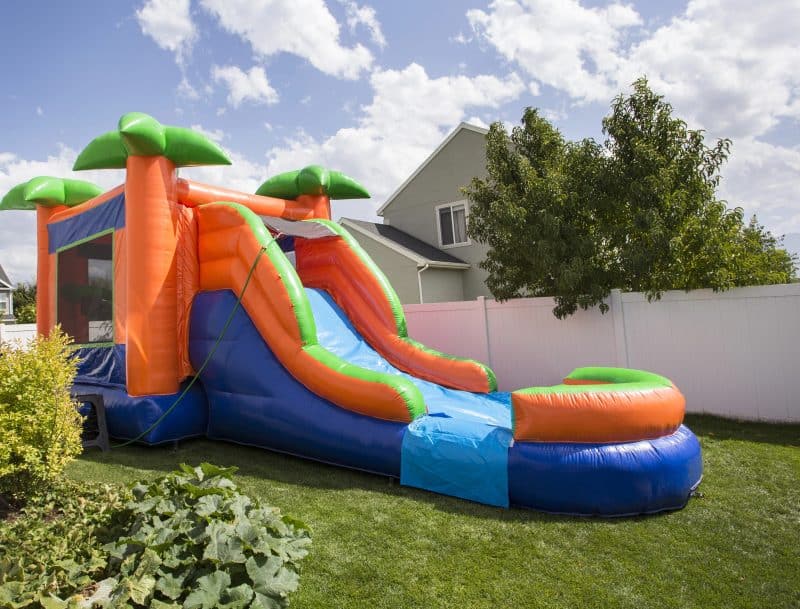
Per-Rider Maximum Weight
The per-rider weight limit tells you the maximum weight one user can weigh while on the slide at any given moment. The best inflatable water slides spell this out clearly in their product descriptions, and it typically sits somewhere between 200 and 350 pounds, depending on size and materials. If your group includes adults, you’ll want a unit rated for at least 250 pounds per rider, not something marketed purely as a children’s product capped at 150.
Slides built from commercial-grade PVC hold heavier loads better. Budget vinyl just doesn’t cut it. Material thickness drives how much stress the seams take on each time someone zooms down. Don’t assume a large slide has a high per-rider limit; verify the actual number.
And here’s something people miss: per-rider limits apply specifically to the slide lane itself. A climbing wall or pool that’s part of the same unit may have a completely different weight rating.
Total Concurrent Rider Capacity
Per-rider limits and total capacity limits are different animals, and you need both. Total concurrent capacity tells you the combined weight the entire structure can hold at once across all zones, climbing section, slide lane, splash pool, everything.
A slide rated for 250 pounds per rider might still cap total simultaneous use at 500 pounds. That means only two adults at a time. If you’re throwing a birthday party with eight kids piling on, a two-rider cap makes the slide pretty much useless for that scene; you’re stuck running kids down one or two at a time. Always match total capacity to your realistic peak usage.
Commercial units built for rental companies usually carry much higher total load ratings; sometimes 800 pounds or more. If you’re buying for repeated group events rather than occasional family fun, a commercial-grade spec pays for itself.
Age-Range Weight Classifications
Age ratings on inflatable slides correspond to weight ranges that reflect the load the unit was engineered for. A slide rated for ages 3 to 8 is typically built for riders between 35 and 100 pounds. Put a 180-pound teenager on it, and you’re way outside design intent.
Age-range classifications also affect entry point sizing, slide width, and pool depth. These all interact with how weight spreads across the unit. A narrow slide lane built for small children generates different contact pressure than a wide commercial lane designed for mixed groups; the weight limit baked into the age classification accounts for those geometry differences.
So if your kids are older or you’re expecting a mixed crowd. Read the actual weight floor and ceiling that the manufacturer tested. Make sure those numbers cover everyone who’ll use the slide.
Structural and Anchor Load Tolerances
Most people focus only on rider weight, but the frame’s structural load tolerance and anchor system matter just as much. Internal air pressure, blower output, and stitch density all define how much total force the unit can safely handle, including the weight of water collecting inside the splash zone.
Water gets heavy fast. A splash pool holding 40 gallons adds roughly 334 pounds of static load before anyone even steps in. Slides with integrated pools need to be rated for water plus riders combined; not all manufacturers are clear about whether their published weight limit includes the water load or leaves it out.
Anchor stakes and tie-down D-rings have their own load ratings. In windy conditions or with heavier riders, undersized stakes will fail. Check that anchor hardware is rated for at least the same total load as the slide itself.
Weight Limits on Individual Features
Large inflatable water slides often pack multiple activity zones, a climbing wall, a water cannon, a double slide lane, and a separate toddler area. Each zone carries its own weight rating; they’re independent.
A double-lane slide might rate each lane at 250 pounds but cap the climbing wall at 150. Miss that climbing wall limit and send a 200-pound adult up the ladder, you’ve exceeded spec for that feature, even if the overall slide limit is higher. Manufacturers test each structural section on its own for good reason.
Before you buy, ask for or download the full spec sheet. Don’t settle for the listing summary. Look for individual feature weight ratings alongside the overall unit rating. If the seller can’t provide that breakdown, that’s a warning sign; quality manufacturers document each zone’s limits and make it available upfront.
Conclusion
Weight limits to check before buying an inflatable water slide actually come in five distinct varieties: per-rider capacity, total concurrent load, age-range weight classifications, structural and anchor tolerances, and individual feature limits. Skip any one and you’re risking equipment damage, safety issues, or a product that doesn’t match your actual use; read the full spec sheet, ask direct questions of the seller, and match every weight rating to the real people who’ll actually be on the slide.