Signs Your Tooth Infection Needs Emergency Dental Treatment
A toothache that starts as a dull throb can quickly escalate into something far more serious. Tooth infections — also known as dental abscesses — don’t just cause pain; they can spread to the jaw, neck, and even the brain if left untreated. Knowing when your symptoms cross the line from uncomfortable to dangerous is critical. If you’re experiencing any of the warning signs below, seeking emergency dental care as soon as possible could protect your health — and your life.
What Is a Tooth Infection?
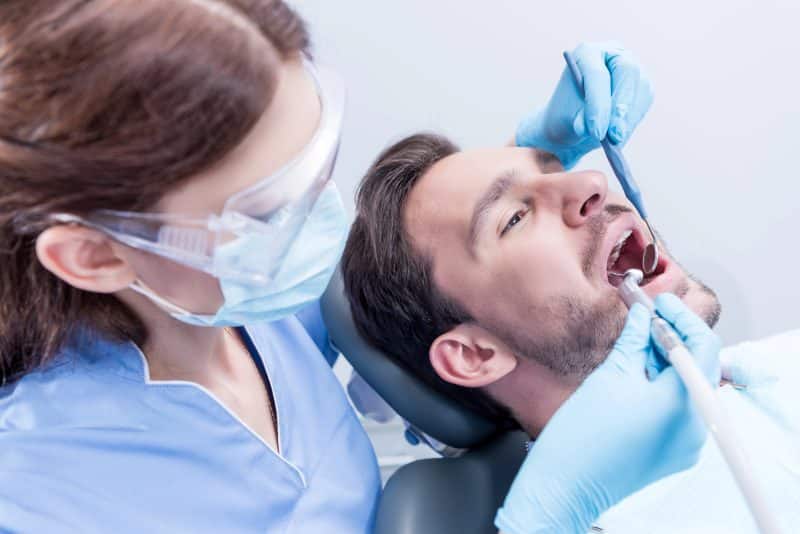
A tooth infection occurs when bacteria invade the dental pulp — the soft tissue inside your tooth that contains nerves and blood vessels. This typically happens due to untreated cavities, a cracked tooth, or gum disease. The result is a pocket of pus that forms at the root of the tooth or in the surrounding gum tissue.
Unlike many minor dental issues that can wait for a scheduled appointment, a tooth infection is a medical emergency in many cases. The bacteria responsible can spread rapidly, and the consequences of delaying treatment can be severe.
Warning Signs You Need Emergency Dental Care in Seattle
Recognizing the red flags early can make all the difference. Here are the key signs that your tooth infection has become a dental emergency.
1. Severe, Throbbing Pain That Won’t Subside
Mild tooth sensitivity is one thing, but intense, pulsating pain that radiates to your jaw, ear, or neck is another matter entirely. If over-the-counter pain relievers provide little to no relief, this is a strong indicator that the infection is advancing. This type of pain should not be ignored — it’s your body signaling that something is seriously wrong.
2. Visible Swelling in the Face, Cheek, or Jaw
Facial swelling is one of the most alarming signs of a spreading tooth infection. When bacteria begin to migrate beyond the tooth root, surrounding tissues become inflamed and swollen. If you notice puffiness in your cheek, jaw, or under your eye, this warrants immediate attention. In some cases, this swelling can affect your ability to breathe or swallow — a life-threatening emergency requiring a call to 911 in addition to contacting your dentist.
3. Fever and General Feeling of Illness
A fever accompanying a toothache is a telltale sign that your immune system is fighting a systemic infection. When the infection moves beyond the local area of the tooth, it can enter the bloodstream — a condition called septicemia, or blood poisoning. Symptoms to watch for alongside fever include:
- Chills or sweating
- Nausea or vomiting
- Rapid heartbeat
- Dizziness or confusion
- General fatigue or weakness
If you’re experiencing fever alongside any dental pain, don’t wait for a regular appointment. Emergency dental care in Seattle is available for exactly these situations.
4. Difficulty Swallowing or Breathing
If a tooth infection has progressed to the point where it’s affecting your airway or making it painful to swallow, this is a critical emergency. Ludwig’s angina — a severe type of infection that spreads to the floor of the mouth and neck — can obstruct the airway within hours. If you experience any difficulty breathing, call 911 immediately and proceed to the nearest emergency room.
5. A Pimple-Like Bump on the Gums
A small, pimple-like bump on the gums near an aching tooth is often a dental abscess or fistula — a channel the body creates to drain infection. While this may temporarily relieve pressure and pain, it does not mean the infection is healing. The underlying bacterial infection remains active and needs professional treatment right away.
6. Tooth Sensitivity to Hot and Cold That Lingers
Everyone experiences occasional tooth sensitivity, but if the pain from hot or cold foods and beverages lingers for more than a few seconds, it may indicate that the nerve inside the tooth is infected or damaged. This kind of persistent sensitivity is a warning sign that the tooth pulp is compromised and may require a root canal or other urgent dental intervention.
7. Bad Taste or Odor in Your Mouth
If you suddenly notice a foul, bitter taste in your mouth — especially near a painful tooth — the abscess may have ruptured and is draining. While the pain might ease slightly when this happens, the infection is still present and actively spreading. Rinsing your mouth with warm salt water can provide temporary comfort, but you still need to contact an emergency dental provider promptly.
Why Prompt Treatment Matters
Many people make the mistake of waiting out dental pain, hoping it will resolve on its own. The reality is that tooth infections do not heal without professional intervention. Without treatment, the infection can spread to:
- The jawbone — causing osteomyelitis, a bone infection
- The neck and chest — leading to conditions like descending necrotizing mediastinitis
- The brain — causing a brain abscess, which can be fatal
- The bloodstream — triggering sepsis, a systemic response that can result in organ failure
According to the American Dental Association, dental infections that spread to the head and neck region account for thousands of hospitalizations each year — many of which could have been prevented with timely emergency dental care in Seattle and across the country.
What to Do While Waiting for Your Emergency Appointment
If you suspect a tooth infection and are waiting to see a dentist, there are a few steps you can take to manage your discomfort:
- Rinse with warm salt water to help reduce bacteria and soothe irritated tissue
- Take over-the-counter pain relievers like ibuprofen to reduce inflammation and manage pain
- Avoid very hot or cold foods and beverages that may intensify the pain
- Do not apply heat to the outside of your face — this can encourage the infection to spread
- Stay upright as much as possible — lying flat can increase blood pressure in the area and worsen throbbing pain
These measures are temporary and are not a substitute for professional dental treatment. Contact your dentist immediately, and if you’re in the Seattle area, reach out to a provider that offers same-day emergency appointments.
When to Go to the Emergency Room Instead
In some situations, a hospital emergency room is the right first call — particularly if your dental office is closed and you are experiencing:
- Severe difficulty breathing or swallowing
- High fever (above 103°F)
- Extreme facial swelling that has spread to the neck
- Confusion or altered mental status
ER physicians can provide IV antibiotics and manage life-threatening symptoms, though they will still refer you to a dentist for the definitive treatment of the underlying infection.
Finding Emergency Dental Care in Seattle
Seattle residents don’t have to suffer through a dental emergency alone. Many dental practices in the area offer urgent and same-day appointments for patients dealing with acute pain, swelling, or other signs of infection. When choosing a provider, look for a clinic with experienced professionals who can accurately diagnose the severity of your infection and offer comprehensive treatment options — from antibiotics and drainage to root canals and extractions if necessary.
Conclusion
A tooth infection is not something to take lightly or try to tough out. From intense, unrelenting pain to facial swelling and fever, the warning signs are your body’s urgent call for help. Acting quickly is the single most important thing you can do to protect yourself from serious complications. If you or a loved one is showing any of these symptoms, don’t delay — contact a trusted provider for emergency dental care in Seattle today and get the relief and treatment you need before the situation becomes life-threatening.