
Choosing the Right Fruits & Vegetables for Your Diet: A Full Guide
When determining which fruits and vegetables to include in your diet, it’s important to consider various factors that influence health, nutrition, and well-being. The benefits of incorporating a variety of produce into your meals are undeniable. Not all choices are equal. This comprehensive guide aims to help you navigate through the numerous options available, ensuring that you make informed decisions that align with your health goals. Fruits and vegetables contribute crucial vitamins and minerals, provide dietary fiber, and may even help in weight management.
Understanding Nutritional Value
The cornerstone of a healthy diet is understanding the nutritional value of the foods you consume. Fruits and vegetables come packed with vitamins A, C, E, and K, along with important minerals like potassium and magnesium. These nutrients are vital for various bodily functions, including immune response, bone health, and supporting your nervous system.
Dietary fiber found in fruits and vegetables plays a crucial role in digestive health, helping to prevent constipation and promote regularity. By being aware of the nutritional potency of different produce, you can better tailor your diet to meet your individual health needs.
How to Select Fresh Produce
Selecting the right fruits and vegetables doesn’t just rely on personal preference. Being informed about peak growing seasons and ripeness can enhance your grocery shopping experience. Fresh, local produce is usually at its peak in taste and nutrition. Look for firm, brightly colored fruits and vegetables without bruises or blemishes.
When selecting tomatoes, choose ones that are rich red in color with a slight give when gently pressed. Likewise, when picking apples, ensure they are crisp and free from any soft spots. These seemingly small details contribute to the quality of your meals, which can immensely impact how fulfilled you feel after eating.
Incorporating Variety into Your Meals
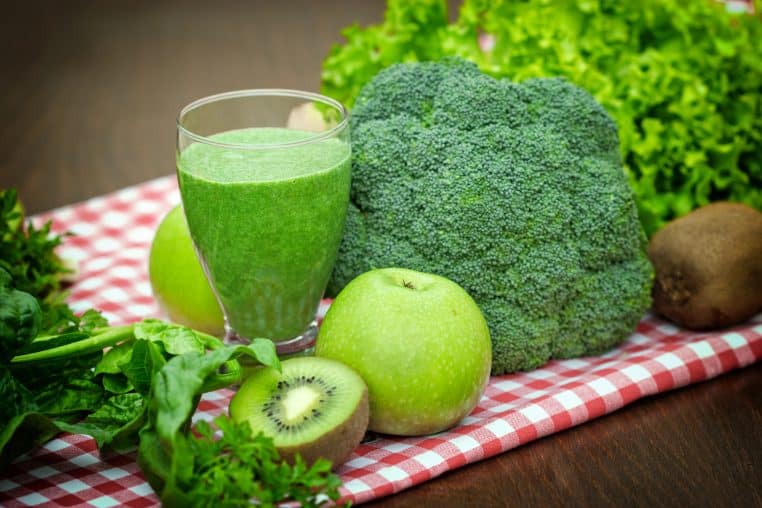
Variety is often considered a vital component of a well-balanced diet. By including a range of fruits and vegetables, you introduce distinct flavors, textures, and colors to your meals, which can keep mealtime exciting and nutritionally rounded. Aim to consume fruits and vegetables across the color spectrum, red, green, yellow, orange, and purple, as each color generally represents different beneficial compounds, including antioxidants, flavonoids, and carotenoids.
Dark leafy greens like spinach provide high levels of iron, while orange vegetables like carrots are rich in beta-carotene. Learn to increase your intake of different produce through creative recipes that tantalize your taste buds.
Seasonal Choices and Sustainability
Besides nutritional value and variety, considering the sustainability of your food choices is becoming increasingly more essential. Choosing seasonal produce ensures you’re getting the freshest ingredients and supports sustainable agricultural practices. Produce that is picked in season tends to be cheaper and often tastes better.
It reduces environmental impact by lessening the distances food has to travel from farm to plate. Many grocery stores, farmers’ markets, or online resources, such as Conviva’s list, can assist you in identifying seasonal fruits and vegetables specific to your locale. This supports local economies and fosters a sense of community connection.
Special Diets and Nutritional Needs
It’s vital to consider individual dietary needs when selecting fruits and vegetables. If you are managing diabetes, different fruits may affect your blood sugar levels differently. It is beneficial to include low-sugar fruits and non-starchy vegetables in your daily intake. Eating whole fruits, rather than juicing them, can contribute to more stable blood sugar levels. On the other hand, individuals on weight-loss journeys may prioritize lower-calorie options such as cucumbers, lettuce, and berries while ensuring they receive adequate nutrition from their food. Tailoring your fruit and vegetable selections to suit your health objectives fosters positive eating habits. Pairing these fresh choices with specialized weight management plans or low-carb snacks from Diet Direct can make it even easier to maintain balanced, targeted nutrition every day.
Choosing the right fruits and vegetables for your diet doesn’t have to be overwhelming. By focusing on nutritional value, seasonal choices, and incorporating a wide variety, you can create a foundation for lifelong healthy eating habits. Tailoring your selections to meet individual health needs completes the picture for balanced nutrition. Understanding the true role of these foods in weight management and combating misconceptions provides clarity to make more informed decisions. Planning meals and considering sustainability can optimize your shopping and cooking experiences, providing enjoyment as well as nourishment.