Toys For Kids To Spark Imagination And Play
A living room floor covered in plastic bricks, wooden tracks, and tiny figurines might look like pure chaos. Behind all that mess sits real developmental work. Children learn best when they take the wheel, inventing scenarios from scratch and testing how things fit together.
Simple play items invite children to solve problems, explore feelings, and build confidence. Giving young minds room to experiment turns everyday afternoons into deep learning sessions.
The Power of Pretend Play
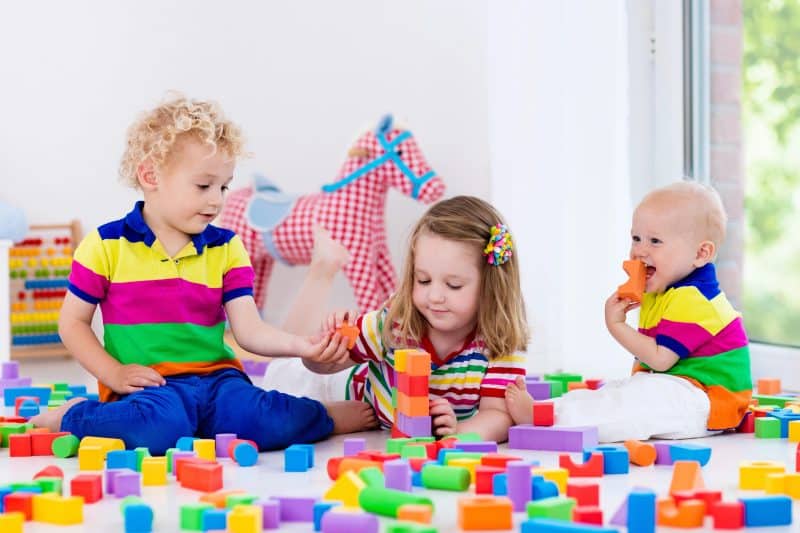
Children invent whole worlds when they step into pretend roles. One minute someone acts as a doctor checking heartbeats, and the next minute they steer a spaceship toward Mars.
Stepping into pretend roles changes emotional growth. Children who show pretend play skills as toddlers face fewer emotional and behavioral hurdles later. Acting out little stories lets them work through social rules and daily fears safely.
Roleplay also builds empathy. When a child pretends to comfort a sick puppy, they practice tuning in to another point of view.
The World of Miniature Vehicles
Rolling miniature cars across rugs and down hallways opens up active exploration. Small wheels spark big road trips, bustling construction sites, and daring rescue missions.
Toy cars encourage children to map out complex towns and delivery routes across the floor. You can look into Mattel to watch miniature tracks and tiny fleets inspire creative setups. Setting up long ramps and looping circuits keeps youngsters experimenting with speed, incline, and momentum.
Pushing toy cars around builds strong coordination and gross motor control. Kids crawl, reach, and stretch across the floor while guiding their favorite vehicles.
Designing Racetracks and Obstacle Courses
Kids love combining vehicle sets with cardboard boxes, books, and cushions. A ramp made from a heavy textbook becomes a launchpad over a carpet canyon.
Testing different steep angles teaches practical lessons about gravity. When a toy car tumbles off the edge, kids adjust the curve until the vehicle glides across smoothly. The entire living room turns into an engineering laboratory.
Screen-Free Fun That Holds Attention
Finding toys that keep kids engaged without flashing lights or tablets remains a constant family priority. Simple objects challenge children to supply their own sound effects, dialogue, and movement.
Parents continue looking for ways to cut back on device time during the week. A survey revealed that 78 percent of parents seek toys helping children build creativity and problem-solving skills. Simple play objects invite self-directed focus that glowing monitors cannot match.
Unplugged materials do not tell kids what to think. They hand total creative control back to the child.
Open-Ended Play With Everyday Objects
The best play items rarely come with step-by-step instructions. Simple tools allow a youngster to steer the action in any direction they please.
Open-ended materials let children find their own path into play, turning simple hoops into boats, doorways, and portals. Kids see endless possibilities inside bare-bones items. They do not get bored easily when a single object can transform twenty different times in one afternoon.
Flexibility keeps toys relevant across several years. A set of basic rings serves a toddler just as easily as an imaginative 6-year-old.
Sensory Play and Creative Hands
Tactile substances invite hands-on experimentation that calms the senses and focuses energy. Squishing, rolling, and carving materials gives little fingers a workout while engaging the senses.
Children love shaping raw goop into imaginary dinners or alien terrain. Manipulating squishy compounds builds fine motor strength, which pays off later when holding pencils and safety scissors. Sensory textures also provide a relaxing outlet after a noisy school day.
A tray of tactile sand or dough keeps young minds quiet and deeply focused. Hands stay busy while the imagination drifts into inventive projects.
Timeless Materials and Lasting Value
Wooden items and classic play sets carry a distinct warmth that plastic rarely matches. Their sturdy feel withstands years of drops, bumps, and rough use.
A study explains that wooden train tracks and block sets offer no single solution, giving kids room to invent their own rules. Solid wooden parts invite calm, grounded focus without annoying electronic chirps. They last through multiple siblings, aging gracefully across years of daily use.
Simple wood looks clean on a shelf and holds up against heavy abuse. The weight of solid pieces gives young builders direct feedback about balance.
Collaborative Play and Social Rules
Sharing toys creates natural opportunities to practice cooperation and fairness. Playing side by side teaches children how to trade items, take turns, and negotiate game rules.
A clinical guide discusses using specific labeled praise and modeling prosocial behaviors to help children regulate big feelings. When caregivers model calm responses during shared activities, children absorb how to handle frustration and trade off turns. Navigating sharing builds patience that helps kids succeed in crowded classrooms.
Disagreements during play offer real lessons in compromise. Deciding who drives the fire truck teaches kids to find fair solutions on the spot.
Expanding Dramatic Play With Costumes
A simple costume rack unlocks completely fresh personalities and adventures. Slipping on an apron, a pilot hat, or a cape instantly transforms how a child moves and speaks.
Dress-up clothes encourage dramatic expression and bold physical movement. Children run faster when they feel heroic, and they speak more formally when pretending to run a restaurant. A simple scrap of cloth becomes an apron, a superhero cape, or a picnic blanket within seconds.
Balancing Active Movement and Quiet Wonder
High-energy play and calm activities balance each other out over the course of a day. Children need space to run around, but they also crave peaceful corners for detailed imaginary games.
Balancing indoor forts and quiet reading nooks helps children manage their own energy levels. Active movement burns off restlessness, clearing the way for deep concentration later. Rotating toys every few weeks keeps old favorites feeling fresh and exciting without cluttering the room.
Shifting Demand in Modern Playrooms
The toy industry continues to see fast changes as parents look for durable items with clear developmental benefits. Families want objects that serve multiple purposes instead of single-use gimmicks.
Tracking shifts in regional demand helps identify where consumer interest is growing fastest. Shoppers increasingly favor durable goods that adapt to a child’s changing developmental stages. Buying fewer, higher-quality items keeps playrooms organized while giving kids better tools to explore.
Final Thoughts
Giving children simple, durable playthings gives their minds room to run wild. Hands-on exploration turns everyday objects into launchpads for boundless creativity, helping kids grow confident, curious, and resilient. Check out the rest of our articles for more tips!