
How Bamboo Baby Clothes Fit Into Busy Morning and Bedtime Routines
Mornings with a baby can be unpredictable. One day, getting dressed takes only a few minutes; the next, a nappy change, a spilled bottle, or an unexpected outfit change can make the whole routine feel rushed. Bedtime can bring its own challenges, especially when a baby is tired but still needs feeding, changing, and settling down. Choosing practical clothing can make these everyday moments easier to manage. For many parents, bamboo baby clothes are one option worth exploring when building a comfortable and manageable wardrobe.
The most useful baby clothes are not necessarily the most elaborate ones. They are the pieces that fit well, allow easy movement, and make routine changes less complicated. Parents also need to consider the weather, their baby’s age, laundry schedules, and how often outfits need to be changed. By thinking about clothing as part of a daily routine rather than simply an item to buy, families can make more practical choices for both busy mornings and quieter evenings.
Why Everyday Baby Clothing Can Affect the Daily Schedule
Baby clothing plays a small but important role in how smoothly a day unfolds. An outfit with difficult fastenings may take longer to change, particularly when a baby is moving around or becoming impatient. Clothing that is easy to put on and remove can help parents handle dressing, feeding, and nappy changes with fewer interruptions.
Comfort matters just as much as convenience. Babies spend considerable time resting, stretching, kicking, and being carried. Clothing should allow these movements without pulling tightly across the shoulders, waist, or legs. Parents can also look for designs that make common tasks easier, rather than choosing outfits based on appearance alone.
Build Around the Tasks You Repeat Most
A practical wardrobe begins with the activities that happen every day. These may include changing nappies, getting dressed after a bath, feeding before leaving home, and preparing for sleep. Clothing that works for several of these situations can reduce the need to change outfits repeatedly.
It helps to notice which garments are easiest to use during the busiest parts of the day. If certain outfits consistently take longer to fasten or feel awkward during changes, they may be better suited to occasional wear. Keeping everyday essentials accessible can also save time when parents are managing several tasks at once.
Choosing Clothes for Easier Morning Changes
The morning routine often starts before everyone feels fully awake. Parents may need to prepare breakfast, pack a bag, organise older children, and get a baby dressed at the same time. Clothing that is straightforward to handle can remove one small source of stress from this process.
Consider how an outfit opens and closes before deciding whether it belongs in the everyday rotation. Simple fastenings, a suitable neckline, and enough room for movement can all make dressing easier. Parents should also check that closures are secure and that no parts create an uncomfortable pressure point when the baby is sitting or being carried.
Prepare a Small Set of Reliable Outfits
Keeping a few dependable outfits together can make mornings more predictable. Rather than choosing from every item in the wardrobe, parents can select several options that suit the current weather and the baby’s usual activities. This is especially useful when time is limited or another outfit is likely to be needed later in the day.
Planning does not need to become a complicated system. A clean outfit, a spare set, and a suitable layer may be enough for a typical outing. The aim is to make the next step obvious, so parents spend less time searching through drawers and more time responding to their baby’s needs.
What to Consider When Choosing Bamboo Fabric
Fabric is another part of the decision. Parents often compare softness, breathability, weight, and care instructions when selecting clothes for babies. Bamboo-derived textiles may appeal to families looking for a particular feel, but the fabric name alone does not tell the whole story. Bamboo clothing can be made using different manufacturing processes and blends, so the product label matters.
Before buying, read the garment’s fibre composition and care instructions. Check whether the item contains bamboo viscose, another bamboo-derived fibre, cotton, or a blend. These materials are not identical, and their performance can vary depending on the fabric construction. It is more useful to assess the actual garment than to assume every product described as bamboo will feel or behave in the same way.
Match Fabric Weight to the Room and Season
A fabric that feels comfortable in one setting may not be suitable in another. A warm bedroom, an air-conditioned home, and a chilly morning can create different clothing needs. Parents should consider the room temperature and the layers their baby will wear instead of relying on the fabric label alone.
Check the garment’s thickness, fit, and care guidance before using it as sleepwear. Babies can become too warm, so adding several layers simply because a fabric feels lightweight is not always a good solution. Follow safe-sleep recommendations, dress the baby appropriately for the environment, and avoid loose blankets or other unsafe bedding in the sleep space.
Coordinated Family Sleepwear and Practical Wardrobe Choices
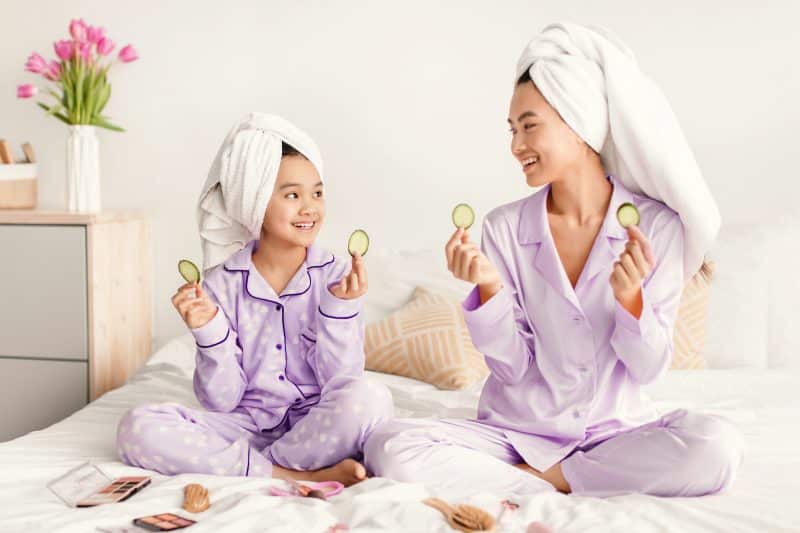
Family sleepwear can also be part of a home routine, particularly during holidays, family photographs, or relaxed weekends. Coordinated designs help create a shared look without requiring every family member to wear exactly the same style. However, appearance should remain separate from decisions about fabric suitability, fit, and safe sleep.
One practical starting point is PatPat’s bamboo baby clothes collection, where parents can compare current fibre compositions, garment openings, sizing information, and care instructions. The exact product listing should determine whether an item uses bamboo-derived material and whether its design suits daytime wear or sleep. Choosing from a verified bamboo collection keeps the example relevant to the baby’s morning and bedtime routine..
The same principle applies to any coordinated clothing purchase: choose a design that suits the occasion, but make sure the actual garment meets the baby’s everyday needs. A festive outfit may be useful for photographs or family gatherings, while simpler pieces may be more convenient for frequent changes. Keeping those purposes in mind helps families avoid expecting one item to serve every situation.
Making Bedtime Less Complicated
Bedtime usually works better when the same basic steps happen in a familiar order. A bath or gentle wash, a nappy change, a clean outfit, feeding, and a quiet settling period can help parents move through the evening without making every night feel different. Clothing can support this pattern when it is easy to change and suitable for the sleeping environment.
Parents may find it useful to prepare sleepwear before beginning the bedtime routine. Having a clean garment nearby reduces the need to leave the room or search through drawers after the baby is ready to settle. If the baby needs a change during the night, simple fastenings can also make the process more manageable while keeping the room calm.
Keep Night-Time Changes Simple
Night-time changes are often easier when parents have the essentials within reach. A clean nappy, wipes, a fresh outfit, and a safe place to change the baby can prevent unnecessary searching. Clothing that opens conveniently may also reduce the amount of handling required during a change.
Choose sleepwear based on the baby’s size, the room temperature, and the product’s intended use. Avoid garments that are too tight, have damaged fastenings, or create loose fabric around the face. If a baby is sleeping, follow safe-sleep guidance and check that the clothing is appropriate for sleep rather than assuming any soft outfit is suitable.
Building a Useful Rotation of Sleepwear
A useful wardrobe does not have to contain a large number of outfits. It needs enough clean, comfortable pieces to cover the family’s laundry schedule, unexpected spills, and changes in weather. Parents can begin by considering how often the baby needs a fresh outfit and how frequently washing can realistically be done.
It may help to keep everyday clothing separate from occasion wear. Frequently used garments can stay in an easy-to-reach drawer, while seasonal outfits can be stored elsewhere until needed. This arrangement makes it simpler to find the right clothing during a busy morning and prevents special outfits from taking up the space needed for daily essentials.
When comparing bamboo sleepers, parents can apply the same practical checklist they use for other sleepwear. Review the fibre content, sizing information, fastening design, washing instructions, and intended use. A garment should suit the baby’s routine as well as the parent’s preferences, and its label should provide enough information to make an informed choice.
Caring for Baby Clothes Without Adding More Work
Laundry care affects how useful a garment remains over time. Even comfortable clothing can become less practical if it needs special handling that does not fit the household’s routine. Before buying several pieces, read the care label and consider whether the recommended washing and drying methods are realistic for your schedule.
Sorting clothes according to colour and care requirements may help protect them during washing. Follow the manufacturer’s directions rather than assuming all bamboo-derived fabrics should be treated identically. Avoid excessive heat when the label advises against it, and check fastenings before putting garments away. Simple habits like these can help keep everyday clothing ready for the next change.
It is also worth reviewing the wardrobe as the baby grows. Clothing that once fitted comfortably may become restrictive around the shoulders, waist, or legs. Check the fit regularly and replace items when they become too small, damaged, or difficult to use. A smaller collection of suitable garments can be more helpful than a larger collection that no longer fits properly.
Frequently Asked Questions
Are bamboo baby clothes suitable for everyday use?
They may be suitable for everyday wear, depending on the garment’s fibre composition, construction, fit, and care requirements. Check the product label and choose clothing that allows comfortable movement. For sleepwear, also make sure the item is appropriate for the baby’s age and sleeping environment.
What should parents look for in bamboo sleepers?
Look at the listed materials, size, fastening design, care instructions, and whether the garment is intended for sleep. The fabric description alone does not establish that a product will suit every baby or room temperature. Choose an appropriate fit and follow safe-sleep recommendations.
How many baby outfits should parents prepare for a typical day?
The number depends on the baby’s age, feeding and changing patterns, weather, and laundry routine. Some families may need only a main outfit and one spare, while others prefer to keep several clean options available. Start with a manageable rotation and adjust it based on how often changes are needed.
Making Daily Routines Work for Your Family
The best baby wardrobe is one that supports the family’s real schedule. Easy-to-change outfits can simplify mornings, while suitable sleepwear and a prepared changing area can make bedtime and overnight changes less disruptive. Fabric, fit, temperature, and care instructions all deserve attention, particularly when choosing clothing for a baby.
Bamboo-derived garments may be worth considering as part of that process, but parents should compare individual products rather than relying on a material name alone. With a few dependable outfits, an organised storage space, and a simple routine, getting dressed and ready for sleep can become more manageable without making everyday life unnecessarily complicated.