
Bringing Italian Flair into your Home – a Practical Guide to Floral Styling
A single terracotta pot of geraniums can shift the entire mood of a room. Italy’s floral traditions – refined over centuries in regions from Liguria to Sicily – give homeowners a clear, replicable blueprint for warmer, more textured interiors. This guide breaks down exactly which blooms, vessels, and arrangements capture that Mediterranean spirit, so you can recreate the look without booking a flight to Florence.
Why Italy’s approach to flowers feels different
Italian home décor rarely treats flowers as afterthoughts. Walk through any neighborhood in Sanremo – a city that hosts the largest cut-flower market in southern Europe, moving roughly 300 million stems per year – and you see blooms woven into daily life. Balcony boxes overflow. Kitchen tables hold a single branch of olive foliage. The philosophy centers on effortless abundance rather than stiff, formal arrangements.
Most American interiors default to tightly packed bouquets in glass vases. Italian styling flips that habit. Stems spread loosely. Greenery dominates. Color palettes stay warm. And the container matters as much as the bloom itself.
Five blooms that anchor the Italian look
Not every flower reads “Mediterranean.” The following five carry centuries of cultural weight in Italian gardens, and each one adapts well to U.S. growing zones or florist availability.
- Ranunculus (Ranuncolo) – Tuscany’s Pescia district grows over 60 varieties, with ruffled petals in coral, blush, and deep burgundy. Place 5–7 stems in a low ceramic bowl for a Florentine dining-table centerpiece.
- White lily (Giglio) – Florence adopted the lily as its civic emblem in the 12th century, and the Florentine fleur-de-lis still appears on the city’s coat of arms. A trio of lilies in a tall, narrow pitcher evokes Renaissance simplicity.
- Sunflower (Girasole) – Umbria and Le Marche produce sunflower fields that bloom from late June through August. Cut stems short – roughly 8 inches – and cluster them in a rustic jug for a farmhouse kitchen effect.
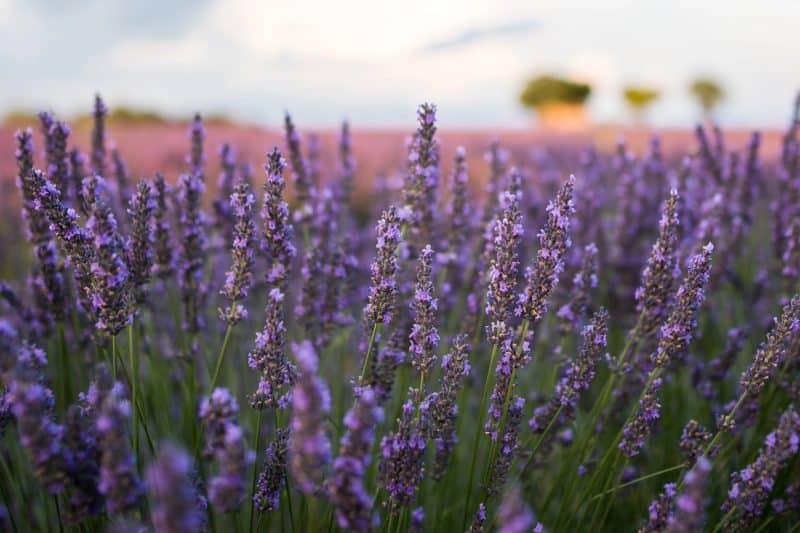
- Lavender (Lavanda) – Piedmont’s Langhe hills support commercial lavender farms at elevations above 1,600 feet. Dry a bundle and hang it in a linen closet or bathroom to bring fragrance alongside color.
- Oleander (Oleandro) – This shrub lines the Amalfi Coast’s roads and grows easily in USDA zones 8–11. A potted oleander on a sunny patio instantly mimics the Positano terrace look.
Choosing containers the Italian way
Glass vases dominate American stores. Italian households lean toward earthenware, aged metal, and hand-painted ceramics. The Amalfi town of Vietri sul Mare has produced hand-painted majolica pottery since the 15th century, and those bold yellow-and-blue patterns pair naturally with Italian flowers like ranunculus and garden roses.
A quick material guide
- Terracotta – absorbs moisture and develops a patina over time; suits geraniums, herbs, and small citrus trees.
- Glazed ceramic – holds water well; works for cut-stem arrangements on sideboards or mantels.
- Copper or brass – adds a warm metallic accent; looks striking with deep-red dahlias or white peonies.
- Woven baskets with liners – common in Sardinian markets; ideal for dried lavender or wildflower bunches.
Skip crystal or highly polished silver. Those materials lean northern European. The Italian aesthetic favors texture and imperfection.
Room-by-room styling: where to place what
The kitchen table
Italian kitchens feature herbs alongside blooms. Place a rosemary plant – Rosmarinus officinalis, native to the Mediterranean basin – next to a small jar of seasonal flowers. In Italy, the kitchen table serves as the social hub, so keep arrangements low enough for eye contact across the surface. Aim for a height of 10–12 inches maximum.
The entryway
First impressions matter in Italian homes. A large terracotta pot with a lemon tree (Meyer lemons grow well indoors across most U.S. states) signals warmth immediately. Add a scattering of dried orange slices or cinnamon sticks at the base. The Sorrento peninsula grows over 4,000 tons of lemons annually, and Italians treat citrus as both fruit and décor – a habit worth borrowing.
The living room
Go bigger here. A wide-mouthed ceramic vase holding a mix of garden roses, olive branches, and trailing ivy captures the look of a Tuscan villa mantel. Stick to a palette of no more than three colors – cream, sage green, and dusty pink work reliably well together. Rotate the arrangement weekly; Italian households change flowers as routinely as Americans swap coffee pods.
The bedroom
Scent drives the choice here. Jasmine – specifically Jasminum grandiflorum, cultivated in Calabria since the 1800s – releases fragrance most intensely at night. A small potted jasmine on a nightstand doubles as aromatherapy. Alternatively, tuck dried lavender sachets into pillowcases.
Seasonal swaps: keeping things fresh year-round
Italian gardens follow strict seasonal rhythms. Recreate that rhythm at home by rotating your floral choices every three months.
- Spring (March – May) – ranunculus, tulips, and sweet peas in pastel tones.
- Summer (June – August) – sunflowers, bougainvillea cuttings, and potted basil.
- Autumn (September – November) – dahlias, dried hydrangeas, and pomegranate branches.
- Winter (December – February) – white amaryllis, pine sprigs, and forced paperwhite narcissus bulbs.
This rotation mirrors how florists across Tuscany and Campania stock their shops. It also saves money – seasonal blooms cost 20–40% less than out-of-season imports at most U.S. florists.
Sending a taste of Italy to someone else’s home
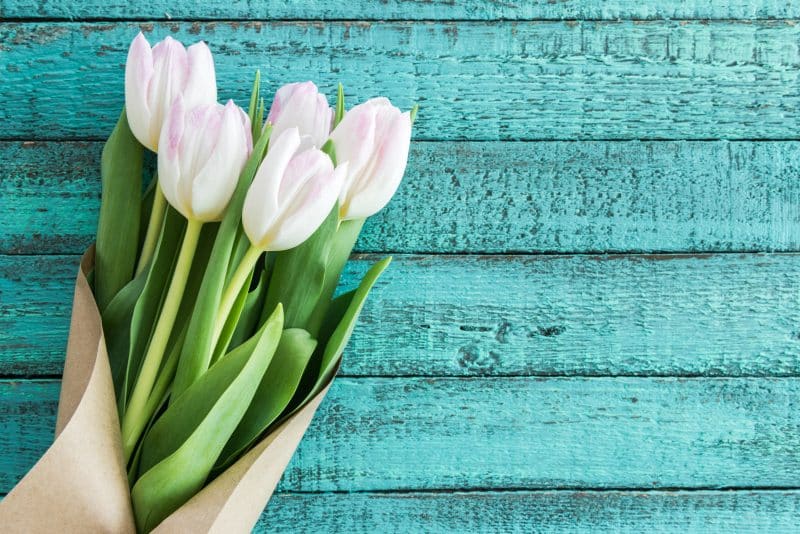
Sometimes the goal goes beyond your own space. Gifting a Mediterranean-inspired arrangement to a friend or relative – even one living abroad – carries the same warmth. International delivery services now make this straightforward. You can explore options for sending flowers to Italy directly through services that partner with local florists in cities like Rome, Milan, and Naples, ensuring freshness on arrival.
A few details that elevate everything
Beyond the flowers themselves, small touches sharpen the Italian effect:
- Strip leaves below the waterline – Italian florists consider submerged foliage sloppy.
- Mix edible and ornamental plants – a pot of basil beside a vase of zinnias mirrors the Italian blurring of kitchen garden and flower garden.
- Use odd numbers – Italian tradition favors groupings of 3, 5, or 7 stems, never even counts (even numbers carry funerary associations in Italian culture).
- Let some petals drop – the “lived-in” look of a slightly overblown rose communicates authenticity rather than neglect.
Make your next arrangement count
I’ve spent hours wandering flower markets in Rome’s Campo de’ Fiori – a piazza that has hosted flower vendors since 1869. The biggest lesson? Italians don’t overthink floral design. They grab what looks ripe, place it in whatever vessel sits on the counter, and let the natural color do the heavy lifting. That relaxed confidence translates to any American home with zero renovation required. Pick one room, choose one bloom from the list above, find a vessel with some character, and see how the space shifts. For more inspiration on Mediterranean-style arrangements and delivery options, browse curated selections tailored to Italian floral traditions – and start turning your living room into something that feels a little closer to the Amalfi Coast.