Do Modern Kitchens Have to be Updated Every New Season?
Having a modern kitchen can seem like a challenge, with trends shifting every year. For example, 2025 was the year of rustic minimalism, colorful clashes, and soft Scandinavian designs, but 2026 is moving towards grey-and-white (again), Shaker-style cabinets, and white oak.
So, how can you keep up with such massive changes in kitchen trends? If you want a modern kitchen, note that following these designs is less important than ensuring the kitchen is functional and efficient for all needs.
Modern kitchens typically feature sleek, clean lines, and their standout qualities include functionality that can last for several years with proper care. Let’s see how you can achieve the look of a modern kitchen.
Adopt a minimalistic kitchen design
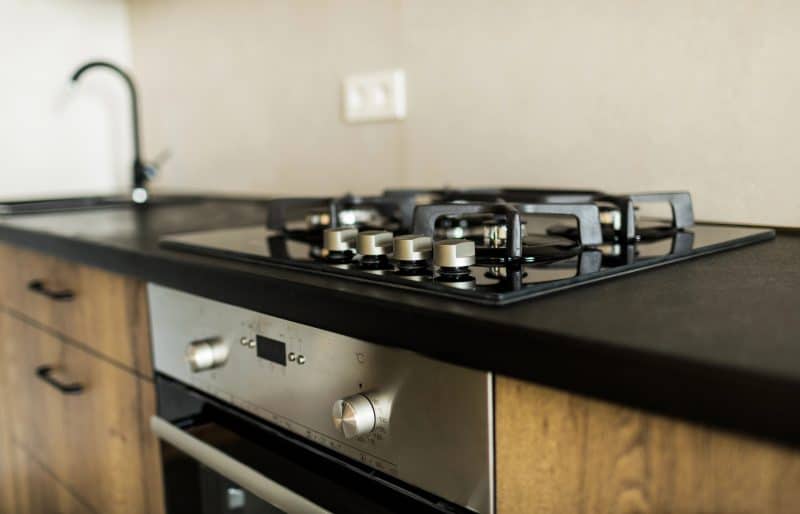
Nothing screams more modern than minimalism. Whether it’s the paint in beige kitchens, the appliances in Japandi styles, or the industrial furniture, choosing simple cabinetry over complex models is a good option. Modern kitchen design can be achieved with:
- Cabinets with flat-fronted slab doors, handleless doors, and gloss acrylic units.
- Cabinets and units in bright neutrals, but with a spot of color provided by houseplants.
- Built-in features that offer convenience, such as a built-in coffee maker.
Minimalism is also about keeping things neat and organized, which means having fewer but impactful tableware. This also applies to decorations and other items that might be unnecessary for daily use. You can experiment with minimalism through the Japandi style, which combines Japanese and Scandinavian design principles.
Prioritize storage
When trying to keep things organized in a kitchen, we often lack the proper spaces or “homes” for each appliance or item. This makes storing in open spaces visually clutter the kitchen, or misplacing them when they are not needed.
Storage is most efficient when it enhances kitchen flow and lets you find whatever you need in seconds, without struggle. For instance, you can separate the kitchen into areas so you know which items to place and where:
- The preparation zone is where you can keep cutting boards, knives, and peelers.
- The cooking zone is for pots, pans, and utensils.
- The cleaning zone is where the dishwasher, towels, and soap should be.
- A beverage zone includes mugs, tea, and coffee essentials.
- The grab-and-go zone includes lunch containers or water bottles.
Choose stainless steel for long-term benefits
While stainless steel is more common in industrial kitchens, it is not lost in regular kitchens when used appropriately. Some of the leading benefits of stainless steel products include their high resistance to corrosion, so exposing them to water, chemicals, or acids from cleaning products will not affect them.
Therefore, stainless steel is a strong investment for daily cooks, as it’s a versatile, durable, and aesthetically pleasing material. Moreover, it helps maintain the highest standards of hygiene and food safety in the kitchen, as it’s easy to clean and sanitize.
Choosing stainless steel cabinets and worktops is ideal for functionality and style, as you can pair them with wood-based materials or units to balance the industrial aesthetic. Light oak, for example, pairs well with stainless steel, whether on the worktops or the kitchen island.
Focus on the right lighting
Sometimes the hue of the light bulbs you choose can change the kitchen’s vibe entirely. Therefore, a modern kitchen is usually arranged with a layered lighting system, in which you include:
- Ambient lighting for a base layer to start building on. This includes pendants, ceiling fixtures, and chandeliers that create a uniform atmosphere.
- Task lighting for optimal appliance use. This is a functional addition that illuminates the stovetop or a countertop for maximum use with table lamps, cabinet lights, or floor lamps.
- Accent lighting for emphasizing decorations. These include wall sconces, LED tape or rope lighting to showcase floral arrangements, wall art, or columns.
The light’s hue is also important. Usually, people use cool hues for kitchen lighting, but this only makes the kitchen feel less welcoming. For better balance, look for warmer-toned light bulbs to make the room cozier.
Consider smart appliances
Smart appliances don’t have to be the latest on the market; they just need to meet all the regulations to be functional for longer. Of course, looking for sleek designs that go well with the kitchen is ideal, but you should focus on energy efficiency.
You can check by analyzing the:
- ENERGY STAR level that’s different for appliances and shows how much energy the item consumes and how long it can last.
- The ” Save More” label is usually an additional sign that the appliance is long-lasting, and it doesn’t add up on the bills.
- Consortium for Energy Efficiency (CEE) is another reputable organization that showcases how good an appliance is.
Introduce as many natural materials as possible
Having a modern kitchen doesn’t necessarily mean an industrial design. This style is also about a visually pleasing kitchen, so a Scandinavian approach that includes natural materials is also efficient. Such a kitchen can include wood and stone countertops and furniture that blend with the functionality of stainless steel.
These features contribute to the kitchen’s warm, welcoming ambiance and can also indicate the use of high-quality products. Usually, materials like solid wood and quartz are appreciated year after year, so you won’t have an outdated kitchen when you introduce these elements with taste and balance.
Final considerations
Having a modern kitchen might make people think they must change their designs every year to be up to date with the latest trends. However, this is far from the truth, since modern kitchens are functional and appealing, with features like clean lines and minimalist design best describing them. You can achieve this look in your kitchen by introducing materials such as stainless steel, wood, and stone, using ambient lighting, and buying energy-efficient, functional appliances.