From Entryway to Dining Table: Styling Small Spaces That Matter Most
Small spaces have a funny way of being the most lived-in parts of our homes. Think about it. The entryway is the first impression, and the dining nook is where conversations flow long after dinner is done. These spaces may be tight, but they carry emotional and functional weight.
And when space is limited, every decision counts.
So how do you style the “in-between” spots that so often get overlooked? How do you make a small entryway feel warm instead of cramped? How do you give a modest dining area that inviting, intentional energy, the kind that makes people want to linger?
Let’s get into it and show you how.
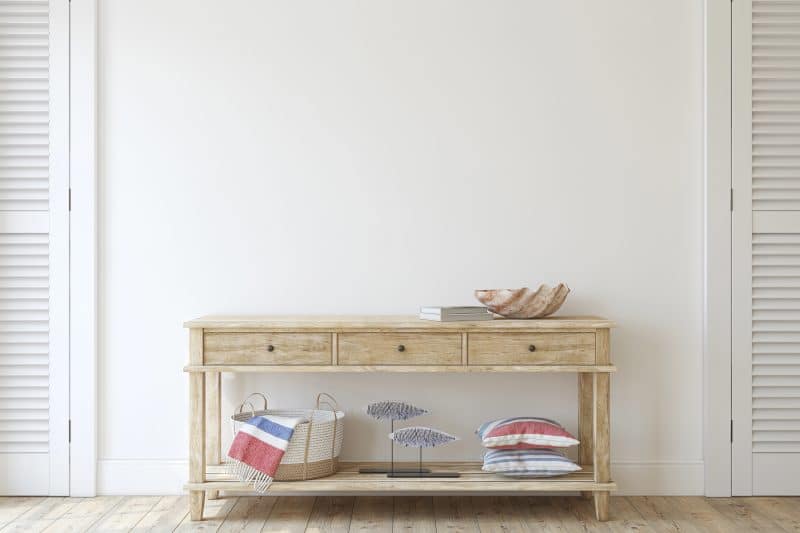
The Art of the Entryway: First Impressions in Five Square Feet
Even if your “entryway” is just a doormat and a few feet of flooring, it matters. This is the transition zone, the pause between the outside world and your personal haven.
Start with purpose. Ask yourself: what actually needs to happen here? A place to toss your keys? A spot to sit while you unlace boots? Once you understand its role, you can start designing it to perform better.
Simple tricks that change everything:
- Hooks, not Hangers: Wall hooks take up less space than a full coat rack and can double as decor. Go for matte black, brass, or wooden pegs, something that ties into your home’s vibe.
- A Mirror with Meaning: Mirrors open up tight entryways, yes, but they also offer a quick check before heading out the door. Choose one with an eye-catching frame and let it anchor the wall.
- Something that Feels Like You: This could be a small rug with bold color, a framed print that makes you smile, or even a quirky bowl for mail. The goal? Make it feel intentional, not just functional.
Here’s where music wall art shines. A small framed piece above a console table, maybe a minimalist guitar sketch or bold typography of your favorite lyric, adds personality without taking up floor space. It’s subtle, soulful, and says “home” before you’ve even kicked off your shoes.
Creating Connection in Compact Dining Spaces
Now, onto the dining area, whether it’s a breakfast corner, a bistro set in the kitchen, or a fold-out table you only use when guests come over. This is the space where real life happens. You sit down, share meals, and laugh here. Sometimes you cry here, too.
So, how do you make it feel like it deserves all that heart?
1. Think Vertical, Not Just Horizontal
In tight spots, the instinct is to think small. But actually, the secret is to think up.
Try:
- Floating shelves with stacked ceramics or cookbooks.
- A tall plant or vase of dried florals to draw the eye upward.
- Wall-mounted sconces instead of table lamps.
And, of course, art. Even just one striking piece above your table gives the room definition. It turns a wall into a backdrop, a stage for connection.
2. Round Tables, Real Conversations
If you’re working with limited square footage, a round dining table works magic. It softens corners and makes movement easier, while also encouraging closeness. You’re never stuck at the “end.” Everyone feels included.
Pair it with a statement light fixture above (even in a rental, a swag light with a warm Edison bulb can do wonders) and suddenly it’s not just a table. It’s a moment.
3. Layer With Texture
Small spaces don’t need more stuff; they need more feeling. Here’s how to add texture without clutter:
- Linen napkins, even for casual meals.
- Woven placemats or a raw-edge runner.
- A mix of chair materials – wood and metal, leather and fabric.
Texture adds dimension. It makes the space tactile and real. It makes people want to stay.
Small Doesn’t Mean Minimalist (Unless You Want It To)
One of the biggest myths in design is that small equals minimalist. Sure, clean lines and fewer objects make sense in tight quarters, but that doesn’t mean you need to strip away your personality.
In fact, compact spaces are the best places to show off your quirks. A gallery wall in a hallway? Bold wallpaper in a nook? A collection of vintage salt shakers on a slim shelf? Absolutely. Nature-inspired artwork can also add character without taking up valuable floor space. Stunning wildlife and landscape photography in Mangelsen’s Images of Nature, can create a striking focal point and bring a sense of tranquility and connection to the outdoors into even the smallest rooms.
You just need to be intentional. Group things by theme or color. Mix scale. Let your personality show through the details.
Remember: small doesn’t mean sparse. It means considered.
Lighting: The Secret Sauce
Lighting transforms a space faster than new furniture ever could. And in small areas, it’s your best friend.
Don’t just rely on overhead lighting. Layer it:
- Add a battery-powered sconce near the dining table.
- Tuck a soft-glow lamp on an entryway table.
- Use fairy lights in glass jars or behind wall art for a soft evening glow.
Think of lighting as atmosphere control. Warm light makes small rooms feel cozy, not cramped.
The Power of Scent
Here’s a tip most design guides skip: scent.
It might not change the look of a space, but it transforms the experience. It creates memory, and in small spaces, especially multifunctional ones, scent helps shift the mood.
Morning coffee nook? Bright, energizing aromas. Evening dinner table? Something grounding and warm.
Let Function Be Beautiful
If you’re styling a small space, every piece should earn its spot. But that doesn’t mean sacrificing charm.
A few ideas:
- A vintage tray for holding keys or condiments.
- A stack of beautiful cookbooks as decor and inspiration.
- A stool that acts as seating and a plant stand.
Blend beauty and utility, and you’ll never feel like you’re “making do.” It’ll feel like you made a choice, and a great one at that.
Final Thoughts
Small spaces matter. They’re not just pass-throughs or make-do zones. They’re often where the real living happens, where you greet the day and share the stories of it when it’s done.
When you style your entryway with intention or turn a little dining table into a gathering place, you’re telling yourself (and everyone who visits): this moment counts.
You don’t need sprawling square footage to create beauty, comfort, or connection. You just need to choose with care. A single piece of art. The right light. A touch of personality. Because the most powerful spaces are the ones that feel like you.