The 20-Minute Reset Every Mom Needs (But Rarely Takes)
There’s this moment that happens in the middle of the day, and if you’re a mom, you probably know exactly what I mean, where everything just feels a little too loud, a little too fast, and a little too much, but you keep going anyway because that’s what the day requires.
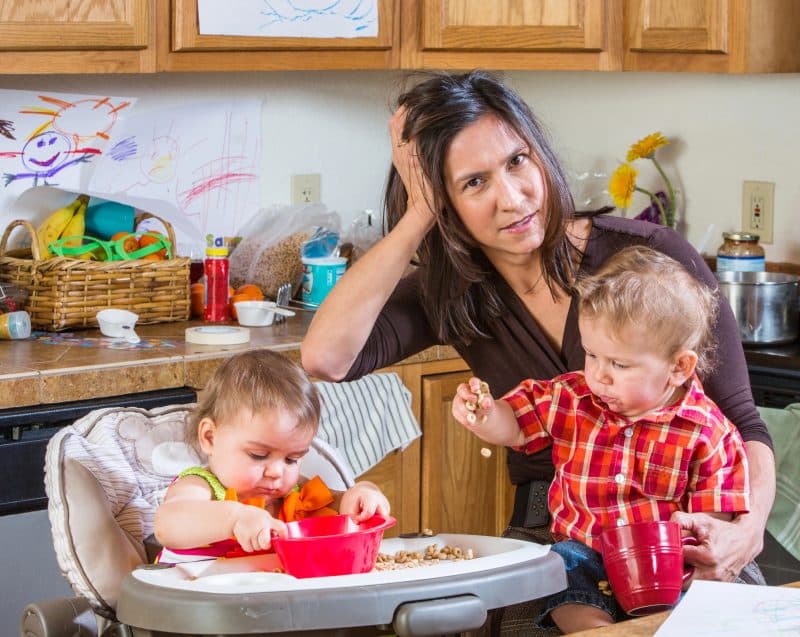
And somewhere in between school runs, emails, meals, and all the small invisible things that somehow take up the most energy, you think, I just need twenty minutes.
Not a full day off. Not a weekend away. Just twenty minutes where nothing is expected of you.
And the truth is, those twenty minutes exist, but we almost never take them in a way that actually resets anything.
We scroll, we multitask, we sit down but don’t really rest.
And it wasn’t until I traveled, and really paid attention to how other places approach wellness, that I realized something simple but kind of obvious once you see it.
Other people build those twenty minutes into their lives. We just keep postponing them.
What I Noticed in Australia (And Why It Stayed With Me)
When we spent time in Australia, one thing kept coming up again and again, and it wasn’t framed as a luxury or something extra, it was just… normal.
Wellness wasn’t a once-in-a-while thing.
It was built into everyday life.
Backyards weren’t just for looks or occasional gatherings, they were designed as spaces you actually use, not just on weekends, but on regular, ordinary days when you need to reset without leaving your home.
We visited a showroom in Braybrook, and I remember walking in and seeing quite a range of spa pools, set up in a way that made it feel less like shopping and more like stepping into a version of life that made sense immediately.
There were compact ones for small spaces, family-sized ones, even larger setups designed for evenings with friends, and what stood out wasn’t just how they looked, but how practical they were.
Because these weren’t massive, complicated installations.
They were designed to fit into real homes, real backyards, real routines.
And the more we asked questions, the more it became clear that this wasn’t a trend in the way we usually think of trends.
It’s part of how people live.
Spa pools, saunas, even cold plunges, they’ve become a normal part of home setups, because people are prioritizing consistent, accessible wellbeing, not occasional indulgence.
And it made me realize something that felt both obvious and a little uncomfortable.
We tend to treat rest like something we earn.
They treat it like something they maintain.
Why This Works (And Why It’s Not Just “Nice to Have”)
The reason this approach works isn’t because it’s fancy or aesthetic or something you’d only do if everything else in your life was perfectly organized.
It works because it removes friction.
A spa pool at home, for example, isn’t about creating a perfect moment, it’s about making it easy to step outside for twenty minutes, sit in warm water, let your body relax, and then go back to your day feeling just a little more like yourself.
And when something is that easy to access, you actually use it.
That’s the difference.
Hydrotherapy, the combination of warm water, jets, and stillness, isn’t just relaxing in a vague way, it helps with muscle tension, stress, and even sleep, which, if you’re a mom, already makes it more than worth considering.
But more than that, it creates a pause.
A real one.
Not the kind where your brain is still running through everything you need to do next.
The kind where you actually stop.
Scandinavia, Heat, Cold and Doing Nothing (On Purpose)
In Scandinavia, the approach is different, but the outcome is similar.
Saunas are not a luxury. They’re routine.
People step into high heat, sit, breathe, and then, sometimes, step out into cold air or even snow, which sounds intense until you realize how normal it is there.
And what’s interesting is that this isn’t about squeezing in wellness. It’s about structuring life in a way where it fits naturally.
Home saunas, especially now, are becoming more accessible, with simple setups that don’t require complicated installations or massive renovations.
So again, it comes back to the same idea. Make it easy, and it becomes a habit. And those habits, even if they’re just twenty minutes long, start to change how you feel day to day.
Japan, Small Spaces, Big Calm
In Japan, the approach to wellness feels noticeably different, not because there’s more equipment or elaborate setups, but because there’s a deeper emphasis on intention and how space is actually used on a daily basis.
Homes are often smaller, sometimes significantly so, but they’re designed in a way that encourages stillness rather than constant activity, which changes how you move through them without even realizing it.
Bathing, for example, is not something you rush through at the end of the day just to check it off your list, but something that feels like a process, a deliberate pause where warm water, quiet, and the absence of distractions all work together to create a moment that is actually restorative instead of just functional.
Even in modern homes, where space is limited and life is just as busy as anywhere else, that sense of intentional pause is still built in, not as a luxury, but as part of the rhythm of everyday life.
And that’s the part that stayed with me, because it isn’t about having more space, more time, or better conditions, it’s about using what you already have differently, in a way that creates room for rest without needing everything else to stop first.
It also made me realize how often we convince ourselves that we need more, more time, more space, more ideal circumstances, when in reality, we might just need to approach the same space we already live in with a little more intention.
The U.S. Is Catching Up (In a Quiet Way)
What’s interesting is that this shift is starting to happen here too, just not in a loud or obvious way, but gradually, as more people begin to realize that the pace of life isn’t going to slow down on its own, which means we have to create ways to slow ourselves down within it.
Homes are being designed with wellness in mind more than they used to be, not just in terms of how they look, but how they function, with spaces for relaxation, recovery, and mental reset becoming part of the conversation in a way that feels more necessary than trendy.
Saunas, spa-inspired bathrooms, and even smaller outdoor setups are starting to show up more often, not because they photograph well, but because they serve a purpose that people are starting to prioritize.
It’s a subtle shift, but an important one, because it reflects a growing understanding that if life continues to move quickly, then the only real solution is to build in moments that allow us to slow down within it, instead of waiting for everything else to pause first.
What a 20-Minute Reset Can Actually Look Like
This was probably the biggest shift for me personally, realizing that a reset doesn’t need to be complicated, perfectly planned, or even particularly impressive, it just needs to be real and consistent enough to actually make a difference.
It might look like stepping into a spa pool after the kids go to bed, letting the warmth and quiet settle in while you sit there without doing anything else, not checking your phone, not running through tomorrow’s to-do list, but just allowing yourself to pause in a way that feels rare but necessary.
Or it might be something as simple as sitting in a sauna for fifteen minutes, followed by a quick cool-down, and noticing how your body responds when you actually give it that kind of attention.
And sometimes, it’s even simpler than that, creating a small corner in your home where you can sit without distractions, without trying to be productive, and without feeling like you need to justify the time you’re taking.
The point isn’t which version you choose or how elaborate it looks, but that you choose something that allows you to step out of the constant movement, even briefly.
Why It’s Worth It (Even When It Feels Like You Don’t Have Time)
Because the truth is, the days don’t suddenly become less busy, and there’s always going to be something else that feels more urgent, more necessary, or more deserving of your attention, especially when you’re used to putting yourself at the bottom of that list.
If you wait for the perfect moment, the quiet day, or the time when everything else is done, it probably won’t come, because there’s always more to do, more to think about, and more that could fill those twenty minutes if you let it.
But those twenty minutes are possible, and once you start taking them, not occasionally, but consistently enough to feel the difference, you begin to notice small but meaningful changes. You feel a little more patient in situations that would normally overwhelm you, a little more present in moments that might otherwise pass quickly, and a little less like you’re constantly catching up.
And those shifts, even though they seem small at first, start to build on each other in a way that actually changes how your days feel.
Final Thoughts
That trip to Australia didn’t leave me with a strict routine or a set of rules to follow, but it did shift the way I think about rest in a way that feels much more sustainable.
Not as something extra that you add in when everything else is done, not as something you earn after being productive enough, but as something that needs to exist alongside everything else in small, consistent ways.
Because those twenty minutes aren’t a luxury, even if they sometimes feel like one.
They’re the thing that makes everything else feel just a little more manageable.