How Digital Wallets Are Transforming Personal Finance
Managing money no longer means long bank queues or juggling multiple payment methods. A digital wallet brings payments, budgeting, and financial tracking into one simple, accessible space. As more people adopt mobile-first solutions, such as these wallets, the way individuals interact with their finances is evolving.
This shift reflects a growing need for faster, clearer, and more flexible financial tools that fit everyday life.
In this article, we’ll explore how digital wallets are transforming personal finance, from simplifying daily transactions to improving financial access and helping users build smarter money habits.
The Shift from Traditional Banking to Digital Convenience
For years, traditional banking has relied on physical branches, fixed hours, and processes that felt slow and cumbersome. While these systems still play an important role, they often don’t align with the pace of modern life. People now expect financial tools to work instantly and seamlessly fit into their daily routines.
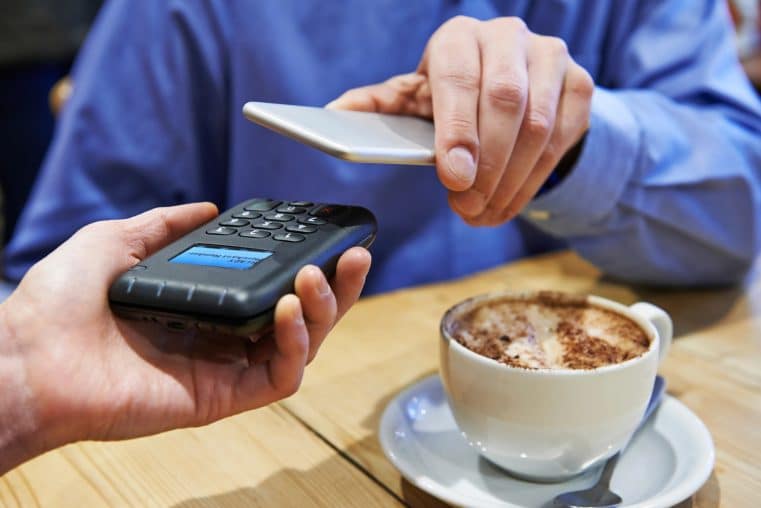
Digital wallets respond to this need by removing unnecessary friction. Instead of visiting a bank to transfer money or check balances, users can complete these actions within seconds on their phones. For example, splitting a bill at a restaurant or paying for utilities no longer requires multiple steps or delays. Everything happens in real time.
This shift reflects a broader change in expectations. Users want financial tools that are not only functional but also intuitive and easy to use. Digital wallets meet this demand by combining multiple services into one streamlined experience.
How Digital Wallets Simplify Everyday Financial Decisions
One of the most noticeable benefits of a digital wallet is how it simplifies daily financial tasks. Instead of managing cash, cards, and separate apps, users can handle everything in one place.
Consider everyday situations. Paying for groceries, sending money to a friend, or settling a subscription fee can all be done within a few taps. This convenience reduces the mental effort involved in managing finances.
More importantly, digital wallets provide real-time visibility. Users can instantly see how much they’ve spent, what remains, and where their money is going. This helps prevent overspending and encourages more mindful decisions.
For instance, solutions like the NinjaCard wallet allow users to track transactions, manage balances, and complete payments seamlessly. By bringing this functionality together, users gain a clearer picture of their financial habits without needing separate platforms. This level of simplicity is especially valuable for people trying to build better money habits.
When financial information is easy to access and understandable, it becomes easier to stay in control.
Security Features That Build Trust in Digital Wallets
Trust plays a key role in how readily people adopt any financial tool, especially one that operates online. To address this, digital wallets are built with multiple layers of security that protect both user data and transactions while keeping the experience simple.
Encryption
Sensitive information is converted into secure code during transactions, making it unreadable to unauthorized parties. This ensures that personal and financial data remains protected at every stage of the process.
Tokenization
Instead of sharing actual card details, digital wallets use unique digital tokens for each transaction. This reduces the risk of data exposure, as the original information is never directly transmitted.
Biometric Authentication
Features like fingerprint scans and, increasingly, facial recognition add a personal layer of security. They make it significantly harder for unauthorized users to access accounts while allowing quick and easy access for the owner.
Real-time Transaction Alerts
Users receive instant notifications for any activity on their account. This allows them to quickly detect and respond to unusual or unauthorized transactions before they escalate.
The Role of Digital Wallets in Financial Inclusion
Digital wallets aren’t just about convenience. They’re also expanding access for people who have historically been excluded from traditional financial services offerings.
In many regions, opening a traditional bank account can be difficult due to distance, documentation requirements, or cost. Digital wallets reduce these barriers by allowing users to access financial services directly from their phones.
For example, a small business owner can receive payments digitally without needing a physical bank branch nearby. Similarly, individuals can store money, pay bills, and transfer funds without relying on cash. This increased accessibility helps more people participate in the financial system, creating opportunities for economic growth and stability.
Enabling Smart Financial Habits
Beyond convenience and access, digital wallets encourage better financial habits. By offering insights into spending patterns, they help users understand where their money goes.
For example, a user might notice frequent small expenses adding up over time. With this awareness, they can adjust their spending and prioritize essential needs. Some wallets also allow users to set limits or create simple budgets, making it easier to stay disciplined.
Another advantage is goal tracking. Whether saving for a purchase or managing monthly expenses, having a clear overview supports more intentional decisions.
What This Means for the Future of Personal Finance
The rise of the digital wallet signals a broader transformation in personal finance. As technology continues to evolve, financial tools are becoming more integrated, accessible, and responsive to user needs.
We are moving toward a system where managing money is more about clarity and control. Payments, savings, and financial insights are increasingly connected within a single experience.
This empowers individuals to take a more active role in their financial lives. With better tools and clearer information, making informed decisions becomes part of everyday life. As digital solutions continue to improve, the way people interact with money will keep becoming simpler, smarter, and more inclusive.