
How an Online Fence Supplier Stocks Everything a Farmer Needs
Choosing fence materials takes more than estimating how much wire or netting a pasture requires. The right setup depends on the livestock, soil, power access, and daily gate traffic, while poultry care also requires supplies beyond the fence line. An online supplier can group these related needs in one place, making it easier to check that parts work together and identify gaps before ordering. A practical plan starts with the animals and the enclosure they need.
An electric fence needs an energizer, conductive netting or wire, posts, grounding, and reliable connectors. Farmers choose parts based on animal size, fence length, soil, and how often the enclosure moves. A supplier that groups electric fence supplies by fence type makes it easier to compare compatible components and confirm that the planned system fits the enclosure.
Match the Fence to the Livestock
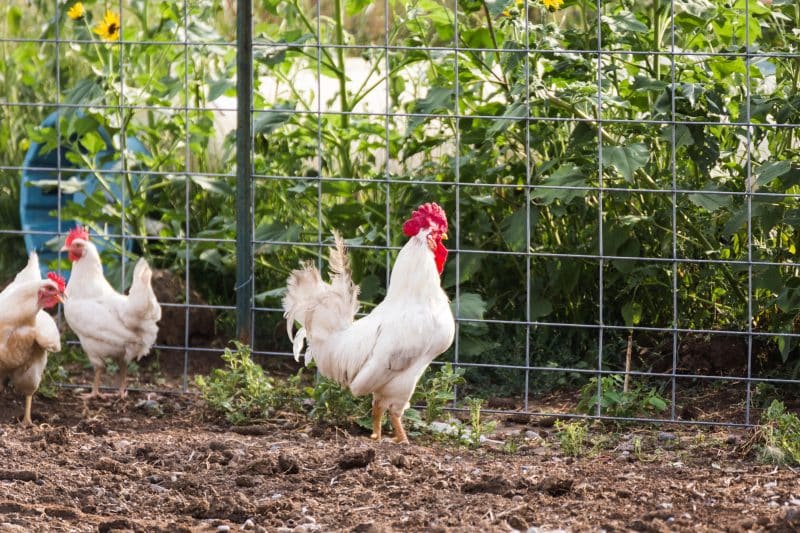
Electric netting comes in categories for poultry, sheep and goats, equines, deer, hogs, and general utility use. These groupings help farmers narrow their choice based on the animals they need to contain or keep out. Netting height and construction should suit the livestock, terrain, and enclosure purpose, with gates placed for routine access.
Traditional electric fencing uses polyrope, polytape, or polywire with site-appropriate posts. A permanent pasture boundary calls for a different plan than a rotating pen. Deciding whether the fence will stay in place or move often helps define the parts list.
Compare Kits with Individual Parts
All-in-one kits combine netting with essential components for a specific enclosure. Poultry and sheep or goat kits group compatible parts, while a make-your-own kit suits layouts that need a different combination. Before buying, measure the perimeter and mark gates, corners, and uneven sections.
Choose a kit based on the area to enclose, not a rough acreage estimate. Check whether it includes a gate, extra posts, or lead cable, since you may need to buy those items separately. A written parts list helps prevent a second order after installation starts.
Select an Energizer for the Site
Electric netting needs an energizer suited to the fence and its power source. Solar and AC energizers cover different site conditions, and traditional electric fencing also has solar and AC options. The right choice depends on power access, fence location, and the system’s stated capacity.
Soil conditions affect how a standard electric fence completes its circuit. Dry or sandy ground and snow can weaken the shock if current cannot return through the soil. Positive/negative netting alternates positive and negative strands, allowing the circuit to complete when an animal touches adjacent strands without relying on moist soil.
Keep Poultry Supplies in the Same Plan
Fence planning often connects with daily flock care. Poultry supplies include feeders and drinkers, nesting boxes, hemp bedding and nesting pads, health and nutrition products, transport crates, and coops.
Each item serves a different task, so farmers should add supplies that match their current setup. For example, a drinker needs an accessible spot that doesn’t create an opening in the protected run.
Farmers can organize fence accessories and poultry equipment by work area. A gate or spare post supports access and repairs, while bedding or a feeder serves the coop. Listing needs for the pasture, poultry run, and coop keeps the order focused and makes future replacements easier to plan.
Plan for Setup and Routine Upkeep
Before installation, walk the fence route and look for branches, uneven ground, and access points used by people or livestock. Clear the path, then place gates where routine farm traffic can reach them without crossing the main fence.
During routine fence checks, inspect posts, connections, and conductors. Replace damaged parts promptly, and keep the energizer and gate connections accessible so you can locate faults more easily.
Conclusion
Before ordering, farmers should map each boundary, identify livestock and ground conditions, and list equipment they already have. They can then choose netting or traditional conductors, match an energizer to the site, and add gates or poultry supplies where needed. This inventory reduces duplicate purchases and helps catch missing connections before installation day. A useful next step is to measure one enclosure and compare its needs with the supplier’s category and kit lists.