
Standing for Long Hours: How Daily Routines Can Affect Leg Health
Many everyday responsibilities keep people on their feet longer than they realize. Parents stand while preparing meals, teachers spend hours in classrooms, retail workers assist customers throughout the day, and healthcare professionals move between patients and tasks. Even household chores such as cleaning, laundry, and grocery shopping can add up to hours of standing.
Although standing is a normal part of daily life, staying upright in one position for extended periods can leave your legs tired, heavy, or uncomfortable. For some people, these symptoms disappear after a little rest. For others, recurring discomfort, swelling, or visible changes in the veins may signal a need for closer attention.
People often overlook leg health until it begins to interfere with everyday activities. Understanding how standing affects circulation, recognizing changes in the legs, and making small adjustments to daily routines can help people take a more proactive approach to their well-being.
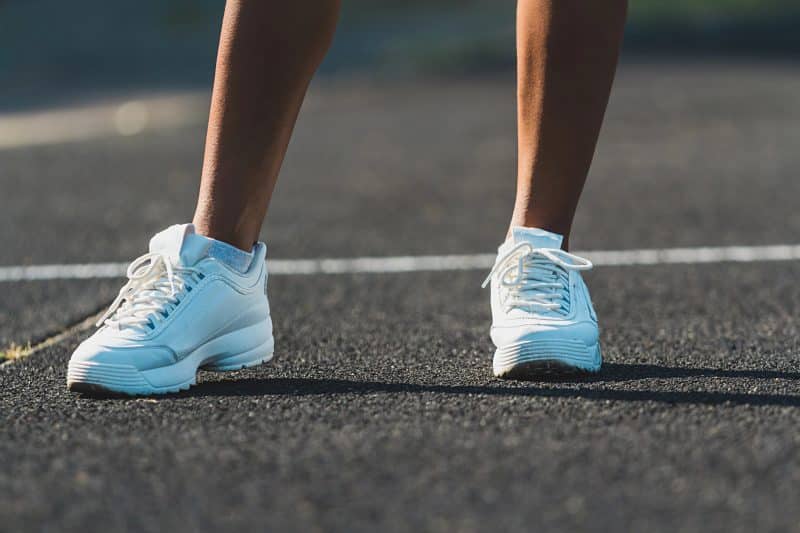
Why Standing for Long Hours Can Affect Your Legs
The body relies on a coordinated system of muscles, blood vessels, and valves to move blood efficiently. Veins in the legs carry blood back toward the heart, working against gravity. Small one-way valves help prevent blood from flowing backward, while the calf muscles act as a pump when they contract during walking and other movements.
When someone stands still for a long time, the calf muscles may remain relatively inactive. Blood can accumulate in the veins of the lower legs, increasing pressure and contributing to temporary swelling or a feeling of heaviness. This is one reason a person may notice tighter shoes or puffy ankles after a long shift.
The effect can be more noticeable when standing is combined with limited movement, warm surroundings, or an underlying circulation problem. People who already have varicose veins or chronic venous insufficiency may experience more persistent discomfort because their veins have difficulty returning blood efficiently.
However, tired legs do not automatically indicate vein disease. Muscle fatigue, joint problems, footwear, and other health conditions can also contribute to discomfort. The pattern of symptoms and how frequently they occur can help determine whether further assessment is worthwhile.
Everyday Routines That Put Extra Pressure on Leg Health
Work is an obvious source of prolonged standing, but it is not the only one. A person might spend several hours at work, stand during the commute, prepare dinner, clean the house, and help children with their evening routines. By bedtime, their legs may have had very little opportunity to recover.
Jobs that require people to remain in one place can be particularly demanding. Retail employees, hairdressers, hospitality workers, teachers, factory staff, and healthcare professionals may have limited opportunities to sit or move freely. Even when a job involves walking, repeated periods of standing in one position can still contribute to discomfort.
Caregiving responsibilities create a different challenge. Parents and caregivers often move between tasks without recognizing how much time they spend on their feet. Because these activities happen in short stretches throughout the day, the cumulative effect can be easy to miss.
Footwear and flooring can also influence comfort. Shoes that provide inadequate support may contribute to foot, ankle, or leg discomfort, while hard surfaces can make long periods of standing more tiring. Although better footwear cannot prevent every circulation problem, choosing comfortable shoes suited to the activity can make everyday routines easier to manage.
Recognizing these patterns is a useful first step. When people understand which parts of the day leave their legs feeling worst, they can look for realistic opportunities to change positions, rest, or add movement.
Signs Your Legs May Need More Attention
Occasional tiredness after a busy day is common. The more important question is whether the discomfort becomes frequent, increasingly severe, or difficult to explain.
Some people notice aching, a heavy feeling in the lower legs, ankle swelling, or cramps after standing for several hours. Others see enlarged, twisted veins beneath the skin or develop itching and changes in skin color around the ankles. Symptoms associated with vein problems may become more noticeable later in the day and sometimes improve after walking or elevating the legs.
Varicose veins are not always just a cosmetic concern. In some people, they occur alongside discomfort, swelling, itching, or other signs of venous disease. However, visible veins alone cannot establish the cause of every symptom, and similar complaints can arise from different conditions.
It is sensible to speak with a healthcare professional when symptoms keep returning, interfere with sleep or daily activities, or occur alongside persistent swelling or skin changes. An assessment can help identify whether the problem relates to the veins, muscles, joints, or another cause.
Sudden swelling in one leg, especially when accompanied by pain, warmth, or redness, requires urgent medical evaluation because it can be a sign of a blood clot. Chest pain, difficulty breathing, or fainting alongside possible clot symptoms requires emergency care.
Simple Ways to Reduce the Strain of Standing
One of the most practical changes is to avoid remaining completely still for long periods. When circumstances allow, take short walking breaks, change positions, or gently move the ankles and feet. These movements activate the calf muscles and help support the normal return of blood from the legs.
People who work in standing roles may benefit from discussing practical adjustments with their employer. Depending on the job, this could mean alternating between sitting and standing, using a suitable stool, rotating tasks, or arranging short breaks during longer shifts. Even small changes can make a routine more manageable.
Footwear deserves attention as well. Choose shoes that fit properly and provide appropriate support for the activity and work environment. If standing on hard flooring is unavoidable, a suitable anti-fatigue mat may improve comfort in some settings, provided it does not create a slipping or tripping hazard.
At home, everyday tasks can be organized to reduce unnecessary standing. Sitting while folding laundry, preparing certain ingredients, or completing other suitable chores can provide brief periods of rest. These adjustments do not need to disrupt a busy household; they simply create more opportunities to change posture throughout the day.
People with existing vein conditions or other medical concerns should ask a healthcare professional which strategies are appropriate for them. Compression stockings, for example, may help some people with venous symptoms, but the correct type and fit depend on individual circumstances.
Why Walking and Gentle Movement Matter
Movement plays an important role in supporting normal circulation. Walking contracts the calf muscles, helping them push blood upward through the veins. It also supports general fitness, joint mobility, and overall health.
A person does not necessarily need a demanding exercise routine to benefit. Short walks during breaks, a few minutes of movement after a long period at a desk or workstation, and regular low-impact activity can be realistic starting points. The most useful routine is one that fits into everyday life and can be maintained consistently.
Gentle ankle movements may be helpful when walking is temporarily impractical. Raising and lowering the heels, moving the ankles through a comfortable range, or shifting weight from one foot to the other can break up periods of stillness. These movements are not a treatment for an underlying vein condition, but they can help people avoid staying in exactly the same position for too long.
After a demanding day, some people find that resting with their legs elevated provides temporary relief from swelling or heaviness. If swelling continues despite these measures, or if symptoms become more frequent, it is important not to rely on home routines alone.
When to Consider a Professional Vein Assessment
Lifestyle changes can support leg comfort, but they cannot correct every underlying cause of persistent symptoms. If aching, heaviness, swelling, or visible varicose veins repeatedly affect daily life, a professional assessment can help clarify what is happening.
A vein evaluation may include a discussion of symptoms and medical history, a physical examination, and, when appropriate, ultrasound imaging to assess blood flow and vein function. The findings help determine whether the symptoms are related to venous insufficiency or another condition.
For people who need further evaluation, trusted specialists for vein treatment in Denver can help assess persistent leg symptoms and discuss suitable options based on an individual’s diagnosis. Treatment varies according to the condition, its severity, and personal health needs. Some people may be advised to monitor symptoms and make lifestyle adjustments, while others may be candidates for procedures designed to address problematic veins.
Seeking advice does not mean that every case of leg fatigue requires medical treatment. Rather, it offers an opportunity to understand recurring symptoms and make decisions based on a proper assessment instead of guesswork.
Making Leg Health Part of Your Daily Routine
Healthy habits are easier to maintain when they fit naturally into an existing schedule. Rather than trying to change everything at once, start by identifying the times when the legs feel most uncomfortable. A short movement break during a work shift, more supportive footwear, or a few minutes of rest after household tasks may be practical first steps.
It can also help to pay attention to patterns. Notice whether symptoms occur after standing, sitting, walking, or exercising, and whether swelling or discomfort improves with rest. Keeping track of these details can make conversations with a healthcare professional more useful.
Leg health should not become another source of pressure in an already busy life. The goal is to make daily routines more comfortable, recognise changes that should not be ignored, and seek help when needed. Small adjustments can support well-being, while persistent or concerning symptoms deserve individual attention.
Conclusion
Standing for long hours is part of life for many workers, parents, and caregivers, but its effect on the legs should not be overlooked. Remaining still for extended periods can contribute to fatigue, heaviness, and swelling, particularly when combined with limited movement or an underlying circulation issue.
Taking short movement breaks, choosing suitable footwear, changing positions, and paying attention to recurring symptoms can help people manage the demands of busy days. When discomfort persists or visible changes develop, a professional assessment can provide a clearer understanding of the cause and the options available.
Looking after leg health does not require a perfect routine. It begins with noticing what the body is telling you and making practical changes that support comfort, mobility, and long-term well-being.