Decorating with Fabric: Easy Ways to Refresh Your Home (No Big Budget Required)
Some of the biggest changes you can make to a room don’t come from a renovation, a contractor, or a truckload of new furniture. They come from fabric. A few yards of the right material can turn a tired corner into your favorite spot in the house — and the best part is that so many of these projects take an afternoon, a little imagination, and, in plenty of cases, no sewing machine at all. Whether you’re a confident quilter or someone who’s never threaded a needle, here are simple, budget-friendly ways to freshen up your home with fabric, plus a few tips on choosing materials that actually hold up to family life.
Why fabric is the easiest way to change a room
Think about the things your eye actually lands on when you walk into a living room: the curtains, the sofa, the pillows, the throw folded over the chair. Very little of that is “the walls” — it’s textiles. Interior designers often talk about the 60-30-10 rule, where about 60% of a room’s color is the backdrop, 30% is a secondary color (usually your upholstery and curtains), and 10% is the accent (pillows and small touches). That means roughly 40% of the color story in any room is fabric you can swap out cheaply and easily. New paint is wonderful, but it’s also a weekend of taping and drop cloths. New fabric? You can change the entire feeling of a space before dinner.
5 easy fabric refreshes to try this weekend
None of these require advanced skills, and several need no sewing at all:
- New throw-pillow covers. An envelope-back pillow cover is the classic beginner project — two overlapping panels on the back, no zipper, and you can even use iron-on hem tape instead of a machine. Swap covers by season and your sofa feels brand new for a few dollars.
- Simple curtains or café curtains. Hem tape and a tension rod turn a couple of yards into fresh window treatments. Hang the rod high and wide and let panels reach the floor — it makes windows (and ceilings) look bigger instantly.
- A table runner and placemats. Straight seams, quick payoff. A seasonal runner is one of the fastest ways to make a dining table feel intentional.
- Recover your dining chair seats. If your chairs have drop-in seats, this is a staple-gun-and-30-minutes job: unscrew the seat, wrap it in new fabric, staple, screw it back on. It’s the single most satisfying “before and after” for beginners.
- A cozy throw or a simple patchwork. Even sewing a few large squares together makes a throw with real personality — and it’s how a lot of us fell in love with quilting in the first place.
Choosing the right fabric for the job
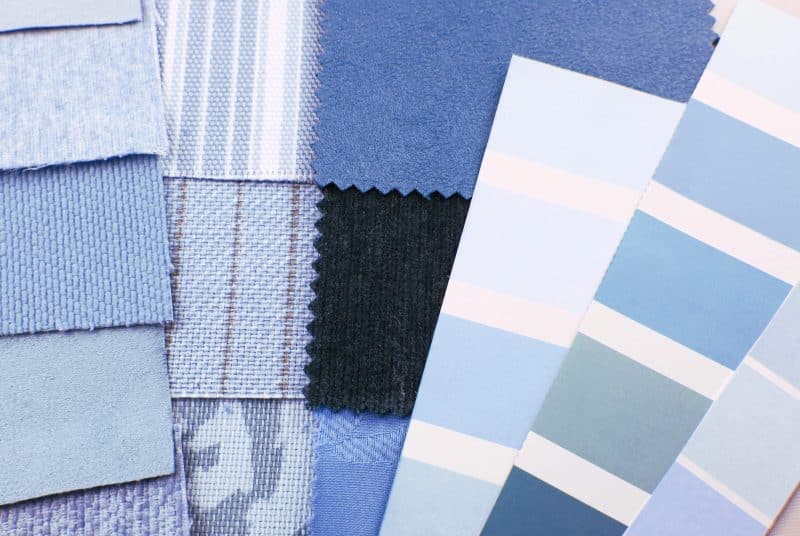
Here’s where a lot of well-intentioned projects go sideways: using the wrong weight of fabric. Quilting cotton is fantastic for pillow covers, runners, table linens and, of course, quilts — it’s easy to cut, press and sew, and it comes in endless prints. But it’s too light for a sofa or a chair that gets daily use; for those you want upholstery-weight fabric, and for curtains you want drapery-weight so they hang with a little body. When you’re browsing home décor fabric, order swatches first and drape them where they’ll live for a day or two. Fabric can look completely different in your own lamplight than it does on a screen, and swatches cost next to nothing compared to committing to yardage you’re not sure about.
One more practical note: buy a little more than you think you need. For gathered curtains, plan on total panel width of about two to two-and-a-half times your window width so they look full rather than skimpy, and always add a spare half-yard for hems, mistakes, and future repairs. Running short in the middle of a project — only to discover your color has sold out — is the one headache genuinely worth planning around, especially with prints that are dyed in batches.
A little love for quilting and crafts
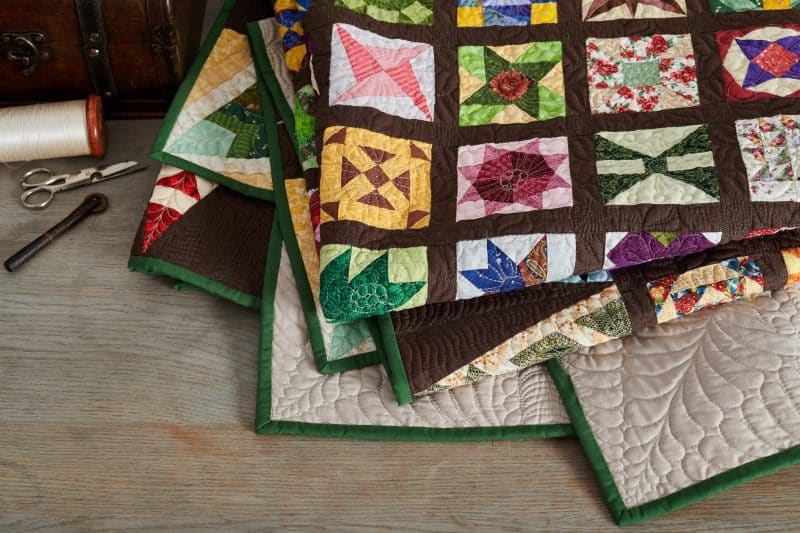
If you’ve caught the crafting bug, quilting cottons are where the fun really starts. They’re 100% cotton, forgiving to work with, and mixing prints is half the joy — the trick is to vary the scale (one large print, one small, one near-solid) while keeping the colors in the same family. A beginner patchwork pillow is a perfect first project: a handful of squares, straight seams, and you’ve made something no store sells. From there it’s a short hop to a baby quilt for a shower gift or a lap quilt for the couch. Handmade textiles carry a warmth that mass-produced décor simply can’t, and they quietly become the pieces your family remembers.
Make it last: fabric that survives real life
With kids, pets, and everyday spills, durability isn’t a luxury — it’s the whole game. This is where performance fabrics shine. Sunbrella, for example, is a solution-dyed acrylic, meaning the color is locked into the fiber before it’s even woven; that makes it remarkably fade-resistant in sunlight, resistant to mildew and moisture, and cleanable even with a diluted bleach solution. Brands like Crypton and Revolution offer similar stain resistance for indoor upholstery. If you’re recovering a chair the whole family uses or making cushions for a sunny window seat, these are worth every penny. A specialist supplier such as The Fabric Mill carries these performance lines alongside everyday decorating fabrics and quilting cottons, so you can match the material to how hard the piece will actually work. And a simple habit that saves headaches: buy all the fabric for one project at once, from the same bolt, so the colors match exactly.
Where to start
If all of this feels like a lot, don’t overthink it — pick one small project. Order a few swatches, sew (or glue) a couple of new pillow covers, and notice how much brighter the room feels. Confidence builds fast, and before long you’ll be eyeing that dated dining chair or bare window as your next quick win. Fabric is the most forgiving, most affordable design tool in the house: if you change your mind next season, you just change the fabric. That’s the whole beauty of decorating this way — your home gets to grow and shift right along with your family.