What to Look for When Planning a Fireworks Display
Planning a fireworks display looks simple from the outside: buy some big effects, pick a time after dark, and light the fuse. In reality, the difference between a forgettable burst of color and a genuinely memorable show comes down to decisions you make weeks in advance.
Whether you’re organizing a community event, a corporate celebration, or a private party, the same principles apply. You’re juggling safety, spectacle, budget, and expectations—all under the constraints of regulations and the space you actually have.
One of the smartest early moves is to talk to people who regularly design and supply shows. Specialist retailers such as Anfield Fireworks work with a huge range of venues and organizers, and can often flag issues you might not think of until it’s too late: sightlines, fallout zones, or how wind direction can wreck your carefully planned finale. That kind of insight can shape your entire approach before you spend a penny.
So what should you really be looking at when you plan a display? Let’s break it down.
1. Start with the Purpose and the People
Before you even think about specific fireworks, get crystal clear on why this display is happening and who it’s for.
Is the goal a high-impact centerpiece for a festival, or a warm, family-friendly finish to a local fundraiser? Those two scenarios call for very different choices in noise levels, duration, and intensity.
Ask yourself:
- Who will be watching? (Families with young children, older guests, mixed community, corporate crowd?)
- How long should the display feel? (Five minutes can feel rushed or perfectly judged depending on pacing.)
- What mood do you want? (Romantic, dramatic, playful, patriotic?)
Being explicit about purpose helps you avoid the common mistake of trying to please everyone with a bit of everything. That usually leads to a noisy, unfocused show that feels random rather than designed.
2. Site, Safety, and Legal Basics
You can’t design a sensible show until you know exactly what your site can handle. This is where many amateur planners get caught out.
Understand your space
Map the area properly: where the audience will stand, where the firing line could go, nearby buildings or trees, overhead cables, roads, and any sensitive areas such as animal enclosures or neighbors’ gardens.
From there, consider:
- Minimum safety distances for each type of firework
- Wind direction relative to the audience
- Access routes for emergency vehicles
A large open field offers very different options compared with a compact urban garden.
Safety zones and risk assessment
Even for a modest community display, it’s worth doing a basic risk assessment. Identify where things could go wrong—misfires, strong wind, crowd movement—and plan your mitigations: barriers, marshals, backup firing positions.
Think in layers of safety:
- Clear separation between firing area and spectators
- Properly secured fireworks (no loose cakes on uneven ground)
- Suitable ignition methods (matches, not cigarette lighters)
If you’re unsure, local fire services and experienced suppliers can often provide guidance or templates to get you started.
Permits, curfews, and neighbors
In many countries, fireworks are tightly regulated. You may need:
- Permission from landowners or local authorities
- To observe legal curfews (often 11 pm, with exceptions on certain holidays)
- To comply with restrictions on certain categories of fireworks for public vs private displays
Even if you’re legally covered, social license matters. Advance notice to neighbors, nearby farms, and pet owners can avoid complaints and genuine distress. For larger events, including noise and timing information in your publicity materials is smart practice.
3. Choosing the Right Fireworks, Not Just the Biggest
Once you understand your site and your audience, you can start thinking about the actual effects. This is where many displays either shine or fall apart.
Think in sequences, not single shots
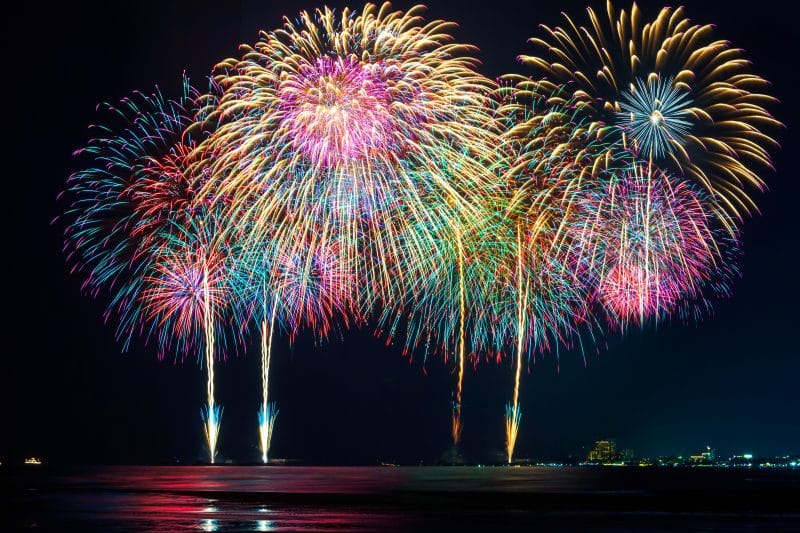
Rather than buying one of everything, aim to build “chapters” in your show: a bold opening, a varied middle, and a clear finale. Within that structure, mix:
- Fanned cakes for width and drama
- Vertical bursts for height and impact
- Fountains and ground effects for closer, more intimate moments
The key is contrast and pacing. A wall of noise and color can be impressive for 30 seconds; beyond that it becomes overwhelming and oddly monotonous. Alternating tempo—fast, then calm, then building again—keeps people engaged.
Match effects to your environment
A rural field can tolerate louder, higher breaks. A dense residential area can’t. There’s a growing trend toward quieter or low-debris fireworks for precisely this reason. Lower noise doesn’t mean lower quality; it just emphasizes color, pattern, and choreography over sheer bang.
Also consider the fallout: will your choice of fireworks leave a lot of cardboard or plastic behind? If you’re near water, livestock, or car parks, you may need to prioritize cleaner-burning products and plan your firing angles carefully.
4. Budgeting and Getting Real Value
Budget isn’t just about “how big a show can we afford?” It’s about how you allocate what you have.
At a minimum, make sure your budget covers:
- A sensible proportion for the fireworks themselves
- Safety equipment (barriers, tapes, extinguishers, lighting for setup)
- Insurance or event cover where required
- Site preparation and cleanup
Cutting corners on safety to squeeze in a few more aerial bursts is a false economy. Experienced organizers often spend as much time and money on logistics as on the fireworks, because they know that’s what makes the difference between a slick, enjoyable event and a stressful one.
Think too about perceived value. A well-structured six-minute display can feel far more impressive than an unplanned 15-minute barrage of similar effects.
5. Environmental and Community Considerations
Public expectations are changing. Environmental impact and community comfort are moving up the agenda.
That doesn’t mean abandoning fireworks altogether, but it may influence your choices. You might:
- Opt for lower-noise effects in built-up or rural areas with livestock
- Schedule your display earlier in the evening to reduce disturbance
- Plan a thorough next-day cleanup of debris, not just visible litter
And don’t underestimate communication. Letting people know when the display will start, roughly how long it will last, and what to expect in terms of noise can drastically reduce complaints and anxiety—especially for pet owners and those with sensory sensitivities.
6. Execution: Who Fires and How
Even the best-designed show can fall flat if execution is sloppy.
Decide early whether you’re using experienced firers, trained volunteers, or a professional crew. Each option has implications for the complexity of the show you can safely manage.
Create a running order with clear timing cues and firing positions. For anything beyond a very simple display, investing in a basic firing system can improve both safety and synchronization, reducing the temptation for multiple people to improvise on the night.
A short rehearsal in daylight—walking through positions, roles, and emergency procedures—pays off enormously in confidence and calm when darkness falls.
Thoughtful planning turns fireworks from a noisy add-on into a true highlight. Start with purpose, respect the site and community, choose effects that fit your space, and execute with discipline. Do that, and your display won’t just be spectacular—it will feel professional, safe, and genuinely memorable.