
The Complete Guide to Buying a Ford Custom Campervan
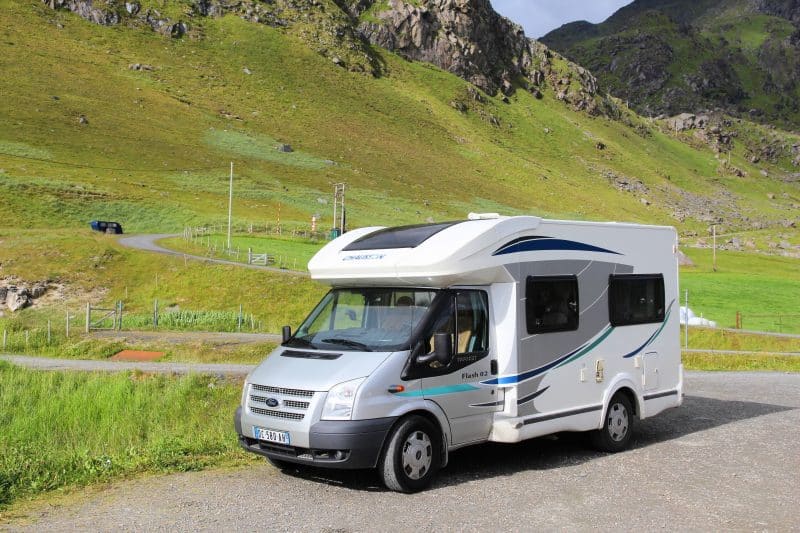
A Ford Transit Custom campervan hits a sweet spot that’s hard to ignore: compact enough for daily life, big enough for real trips, and widely supported when it comes to servicing and parts. But “Ford Custom campervan” is a broad label. Two vans can look similar on the outside and feel worlds apart once you’ve lived with them for a weekend—let alone a year.
If you’re weighing up your first purchase (or upgrading from a smaller micro-camper), here’s how to approach the decision like a seasoned buyer, not an impulse shopper.
Start With Your Real-World Use Case (Not the Dream Scenario)
Before you compare trim levels or debate pop-tops versus high-tops, get honest about how you’ll actually use the van.
Daily driver, weekend tourer, or long-haul basecamp?
A Custom can work as all three, but priorities change:
- Daily driver: height restrictions, parking, insurance category, and fuel economy matter more than extra cabinetry.
- Weekend tourer: quick setup, comfortable sleeping, and a reliable electrical setup tend to make or break the experience.
- Longer trips: water capacity, heating, off-grid power, and internal storage become the difference between “adventure” and “inconvenience.”
How many people—and what kind of comfort?
Two adults who are happy to cook outside need a very different layout than two adults plus a child (or a dog) with rainy-day expectations. Think through sleeping arrangements, night-time access to the loo (even if it’s just a portable option), and whether you’ll want indoor cooking when the weather turns.
Choosing the Right Base Van and Conversion Style
Once your use case is clear, the next question is: what kind of build best supports it?
Newer versus older: where the value really sits
With Ford Customs, buyers often focus on mileage and year, but condition and conversion quality are just as important. A well-maintained van with a thoughtful, professionally finished conversion can outperform a newer but poorly executed build—especially when it comes to electrics, insulation, and rust prevention.
Pop-top vs fixed roof: it’s not just about headroom
Pop-tops are popular because they keep the van’s everyday profile while adding sleeping space and standing room. Fixed roofs can feel more solid and sometimes offer better insulation, but they may limit parking options and stealth.
When “spec” is more than a buzzword
A high-quality campervan isn’t defined by flashy finishes; it’s defined by systems that work reliably: safe gas installs, clean wiring, proper ventilation, and sensible storage. If you want a reference point for what a well-finished build can look like—especially if you’re comparing professional conversions—this example of a high-spec Ford campervan ready for adventure is useful to benchmark against in terms of layout, equipment, and overall fit-and-finish.
The goal isn’t to copy any single van; it’s to understand what “good” looks like, so you can spot shortcuts when you see them.
The Non-Negotiables: Weight, Legality, and Safety
A campervan can be beautifully designed and still be a poor purchase if it’s overweight, improperly certified, or unsafe.
Weight and payload: the hidden limiting factor
Conversions add mass quickly: seats, bed boards, tanks, leisure batteries, awnings, and bikes. If a van is close to its maximum authorized mass, you’ll feel it in braking, handling, and tire wear—and you may not be legal once passengers and luggage are onboard.
Ask for:
- The van’s payload figure
- Any available weighbridge ticket post-conversion
- Tire load ratings that match real-world use
Gas and electrics: pay attention to documentation
If there’s a gas system, look for evidence of proper installation and testing. For electrics, you want tidy, fused circuits, appropriately sized cabling, and a clear separation between 12V and 230V systems. If the seller can’t explain the setup in plain terms, assume you’ll need an inspection.
What to Inspect Before You Buy (And What to Test Drive For)
Even a great-looking camper can hide issues. The trick is knowing where problems tend to show up.
A practical inspection checklist
Use this as a quick guide (and don’t be afraid to take your time):
- Damp and leaks: check around windows, roof joints, pop-top seals, and under mats near doors.
- Rust hotspots: wheel arches, sills, underside seams, and any area where trim meets metal.
- Electrical health: test hook-up, inverter (if fitted), USB/12V sockets, and battery charging from the alternator.
- Appliances under load: run the fridge, check the hob ignition, test heater operation, and verify water pump pressure.
- Seat/bed mechanisms: they should operate smoothly without excessive flex or rattles.
- Paperwork consistency: VIN matches documents; service history aligns with mileage; conversion details aren’t vague.
How a Ford Custom should feel on the road
A good Custom drives more like a solid car than a van. During the test drive, pay attention to:
- Clutch bite and gearbox smoothness (especially in stop-start driving)
- Steering response and braking confidence
- Suspension noise over speed bumps (listen for knocks)
- Wind noise around aftermarket windows or roof additions
If it feels tired, vague, or unusually loud, it may be telling you about hard use—or a conversion that wasn’t integrated well.
Budgeting Beyond the Sticker Price
The purchase price is only the start. Owners who enjoy their vans long-term usually plan for the “second order” costs from day one.
Essential add-ons and running costs
Depending on what’s already fitted, you may need to budget for:
- A leisure battery upgrade (AGM to lithium, or simply higher capacity)
- Solar for off-grid trips
- Better all-season tyres
- A proper reversing camera and parking sensors (if not present)
- Servicing, brake refresh, and a timing belt check (where applicable)
Also ask your insurer about declared modifications—some policies are straightforward, others are fussy about seats, pop-tops, and electrical systems.
Where to Buy: Private Sale vs Dealer vs Converter
There’s no single best route—just different trade-offs.
Private sale
Often better value, but you need confidence in inspection and paperwork. If you’re not hands-on, consider paying for an independent vehicle inspection.
Dealer
More consumer rights and sometimes warranty options, but the quality can vary widely. “Approved” doesn’t always mean “camper-competent,” so still check conversion details carefully.
Specialist converter or curated stock
Tends to be the clearest path if you want a cohesive build with known components, documentation, and a layout that’s been refined through real customer feedback. It can cost more up front, but it often reduces the risk of expensive remedial work later.
Final Thoughts: Buy the Van You’ll Use, Not the One You’ll Merely Admire
A Ford Custom campervan is at its best when it disappears into your life—ready for a Friday night escape, a Monday morning commute, and a rainy week in the Highlands without drama. Focus on build quality, legal weight, and systems you understand. Compare layouts based on your habits, not your Pinterest board.
Do that, and you won’t just buy a campervan—you’ll buy more weekends away, more spontaneous detours, and a lot more confidence each time you turn the key.