DIY Family Reunion Tees: How to Design Professional Custom Shirts
Family reunions are about connection. Catching up with cousins you haven’t seen in years and swapping stories over shared meals. You know, matching reunion tees are practically a tradition if you’ve ever attended one. They often become keepsakes long after the event is over.
The challenge? Custom shirts can get expensive fast, especially when you’re ordering for dozens of people in different sizes. The good news is that with a little planning and the right tools, you can DIY shirts that look meaningful without paying high prices. What this guide really shows is that “DIY” with today’s tools and printing methods, you can create family reunion tees that look cohesive and intentional without paying premium prices. It walks you through the process step by step, from design ideas to printing strategies that keep costs down while quality stays high.
Why DIY Family Reunion Tees Are Worth It
Ordering custom shirts from traditional vendors often means minimum quantities, setup fees, and limited design flexibility. DIY gives you control over all of that. Here is what happens when you take the design into your own hands. You can:
- Customize for different family branches or generations
- Adjust quantities without penalties
- Update designs last minute if plans change
- Spend more on quality
Most importantly, DIY can look just as clean as professionally produced shirts with modern printing options.
Start With a Clear Design Concept
Before opening any design software, take a moment to decide what kind of shirt your family actually wants. The best reunion tees balance personality with wearability. Ask yourself these questions. “Is this shirt meant mainly for the event or for everyday wear afterward?” “Do you want something playful, classic, or modern?” and “Will it include a family name, year, location, or inside joke?” Simple concepts often age better. A clean family name with “Reunion 2026” and the city works just as well as a detailed illustration and is usually cheaper to print.
Keep the Design Clean and Readable
One of the biggest mistakes in DIY shirts is overloading the design. Too many graphics can make the shirt feel cluttered. To create a professional look, limit yourself to one or two fonts and stick to a cohesive color palette. Consider placing a lengthy text on the back if you want to include a list of generations, while keeping the front minimal. This approach looks balanced.
Choose Shirt Styles Everyone Will Actually Wear
It’s tempting to choose the cheapest blank shirt available, but comfort matters especially when people are wearing the shirts all day.
Consider offering:
- Unisex tees in soft cotton or cotton blends
- A second option, like tank tops or youth sizes
- Neutral shirt colors that suit different styles
Shirts are more likely to be worn again after the reunion when they feel good to wear, which makes the effort even more worthwhile.
Why Printing Method Matters for DIY Projects
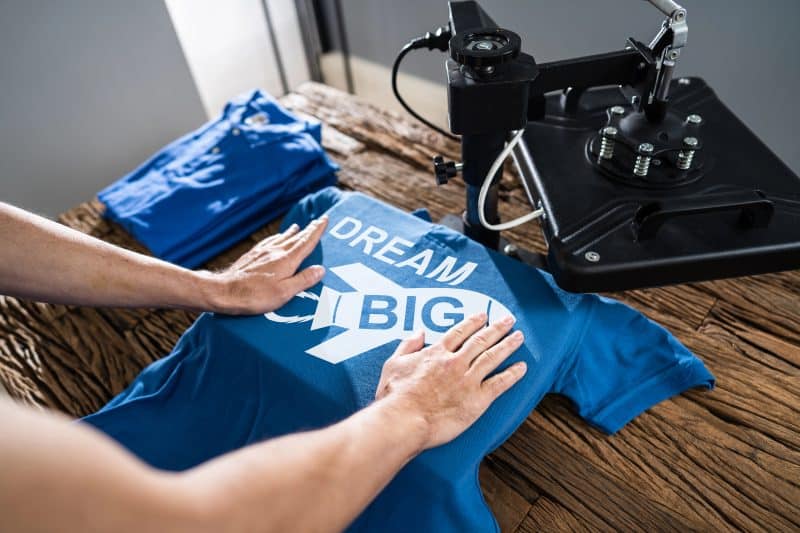
Not all printing methods are created equal. Traditional screen printing works well for large, uniform orders, but it often comes with color limitations that don’t suit small DIY projects. Iron-on vinyl is accessible, but it can peel over time, especially after repeated washes. DIY creators are switching to Direct-to-Film (DTF) transfers to get professional results at home due to this. The method allows full-color designs, fine details, and strong durability across different fabrics without the need for moqs. You apply the design with a heat press or iron, and the result looks smooth.
Save Money With Gang Sheets
One of the smartest cost-saving strategies for family reunion tees is using gang sheets. Multiple designs are placed onto one large sheet instead of printing each design individually. This approach minimizes wasted space. Gang sheets help you keep everything organized and budget-friendly if you’re designing shirts for anyone. Tools like the free gang sheet builders available through platforms such as dtftransfersnow.com make it easier to lay out designs efficiently without advanced software knowledge.
Prep and Application: The Key to Professional Results
Once you have your transfers, the application process matters just as much as the design. To get the best results, Pre-press shirts briefly to remove moisture and wrinkles. Taking an extra minute on prep prevents peeling edges and uneven finishes. The result is a shirt that looks polished and lasts through multiple washes.
Make It Fun and Involve the Family
One of the hidden benefits of DIY reunion tees is that they can become part of the reunion experience itself. Some families let kids help choose colors or customize shirts with nicknames. These small touches turn the shirts into something more personal than a bulk order ever could be.
Plan, But Leave Room for Flexibility
Family reunions are famously unpredictable. Guest counts change. DIY printing gives you the flexibility to adjust without reordering everything from scratch. Order a few extra blanks and transfers if possible, and keep designs saved in case you need last-minute additions. This flexibility alone can save both money and stress.
Think Beyond the Reunion
Well-designed reunion tees don’t have to be one-day-only items. Keeping the designs simple and comfortable, make them everyday shirts that remind people of a great time together. Your DIY really pays off then. In lasting value.
Final Thoughts:
The heart of every family reunion is bringing people together. The shirts are just one part of that, but they often become the most visible symbol of the experience. Something everyone shares, wears proudly, and takes home as a reminder of time spent together. It’s what makes it worth doing them thoughtfully, even on a budget. Family reunion tees are symbols of belonging. Creating them yourself doesn’t mean sacrificing quality. You can produce professional-looking shirts without the high price tag by making smart printing choices and using cost-saving strategies like gang sheets. There’s also something meaningful about being involved in the process. You’re telling your family’s story when you design the shirts yourself. Personal details turn a basic t-shirt into a keepsake. An example would be a shared last name. Another yay for “DIYing” is you’re not limited by one-size-fits-all orders. Voila, you can adjust as plans change, add latecomers, or customize for kids and adults alike.
Perhaps most importantly, DIY reunion tees remove a lot of the stress that usually comes with organizing group apparel. You don’t have to rush to hit someone else’s deadlines or pay extra for small changes. You work on your timeline, at your pace, and within your budget. That freedom makes the entire planning process feel lighter. Something every reunion organizer can appreciate.
In the end, the best family reunion shirts are the ones people actually wear again, the ones that spark conversations months later, and the ones tucked into drawers as small reminders of happy moments. With a little intention and the right approach, you can create shirts that deliver all of that without the high price tag.