Why Some Blocked Drains in Essex Can’t Wait Until Tomorrow
Blocked drains are a fact of life. Most of the time, they build up slowly—an annoying gurgle here, a slow sink there—and you can reasonably plan to deal with it at the weekend. But some drain problems flip from “minor inconvenience” to “serious damage” far faster than people expect, especially in parts of Essex where older pipework, heavy downpours, and mature tree roots collide.
So how do you tell the difference between a blockage that can wait and one that needs attention today? Let’s break it down in practical terms, with a focus on what’s at stake and what you can do in the moment.
The real risk isn’t the blockage—it’s what comes next
A drain doesn’t have to be completely blocked to cause costly knock-on effects. In fact, partial obstructions are sometimes worse because they create pressure, force water into unexpected places, and allow contaminated waste to linger.
In Essex, this can be compounded by a few local realities:
Older pipework and patchwork upgrades
Many homes still rely on aging clay pipes or older underground runs that have been repaired in sections over decades. These systems can be less forgiving when flow is restricted. A small snag of wipes or grease can catch on an uneven joint and escalate quickly.
Heavy rainfall and overwhelmed systems
When rain hits hard, surface water systems have to work at full capacity. If there’s a partial blockage, gullies and channels back up much faster, and water may start to pool near foundations or flow toward air bricks.
Tree roots: the slow problem that becomes an urgent one
Roots don’t just “block” drains—they deform pipes and create rough edges where debris collects. The first sign might be occasional slow drainage, but once a root mass catches enough material, you can end up with a sudden, messy backup.
The “can’t wait” warning signs (and why they matter)
Some symptoms are less about discomfort and more about damage control. If you notice any of the following, treat it as time-sensitive and seek out flow plumbing solutions immediately:
- Water backing up into sinks, baths, or showers, especially after flushing the toilet
- Overflowing outside drains or manholes (even if it seems minor at first)
- Foul smells that persist, not just a one-off whiff
- Gurgling from multiple plugholes, suggesting air is trapped in the system
- Damp patches near walls or floors, especially on ground level
- Toilet water rising unusually high or fluctuating when other taps run
This is the point where waiting can turn a straightforward clearance into a contamination clean-up, a repair job, or—worst case—structural issues if water starts saturating ground near the property.
When “tomorrow” becomes expensive: the hidden consequences
A lot of homeowners delay because they don’t want to overreact. Fair enough. But there are specific scenarios where time is the enemy.
Sewage backing up is a health hazard, not just unpleasant
If wastewater is coming back into the home, you’re dealing with potential pathogens, not just “dirty water.” It can soak into flooring, seep under skirting boards, and linger in places you can’t properly sanitize without lifting materials. The longer it sits, the wider the affected area tends to get.
Standing water finds weaknesses you didn’t know you had
A slow leak or repeated overflow can exploit tiny cracks in brickwork or gaps around pipe entries. Essex properties with extensions, converted garages, or older air-vent arrangements can be particularly vulnerable to water tracking into subfloors.
Blockages can signal pipe damage
If you clear the symptom but ignore the cause, you risk repeat incidents. Frequent re-blocking can indicate displaced joints, collapsed sections, or root ingress—problems that generally worsen if left alone.
Around this point in the decision-making process, many people start looking for properly equipped help rather than another bottle of chemicals. If you’re trying to understand what urgent assistance typically involves locally—especially when there’s active backup or flooding—this overview of emergency drain clearing solutions in Essex is a useful reference for the kinds of situations that justify same-day action.
Common Essex-specific culprits that escalate quickly
Not all blockages behave the same. Here are a few that commonly turn urgent:
Fat, oil, and grease (FOG) in kitchen lines
FOG doesn’t just “clog”—it constricts. Hot water might push it along temporarily, but as it cools, it hardens again, often further down the pipe. By the time you notice a slow sink, there may already be a significant restriction.
Wet wipes and sanitary products
Even “flushable” wipes don’t break down like toilet paper. They snag easily, especially at pipe bends and junctions, and they tend to form rope-like mats that trap everything else.
Collapsed or displaced drains
This is the one people don’t anticipate. A drain can fail underground with no obvious external signs until one day the system can’t cope. If multiple fixtures are affected at once, or if the toilet behaves strangely when you run a tap, it can be more than a simple clog.
Surface water blockages
Leaves, silt, and debris can choke gullies and channels. During a downpour, that’s when you see rapid pooling. If the water is close to your property, it’s not just a garden nuisance—it can become an ingress problem.
What you should do immediately (and what to avoid)
If you suspect an urgent blockage, a calm, methodical response helps. First, stop using water where possible—every flush or tap adds volume and pressure.
Next:
- Check if it’s isolated or widespread. One slow sink is different from multiple slow fixtures plus toilet issues.
- Look outside (safely). If you have an external drain or manhole and it’s overflowing, that’s a strong signal the main line is obstructed.
- Ventilate affected areas if there are odors or any sign of wastewater.
What to avoid:
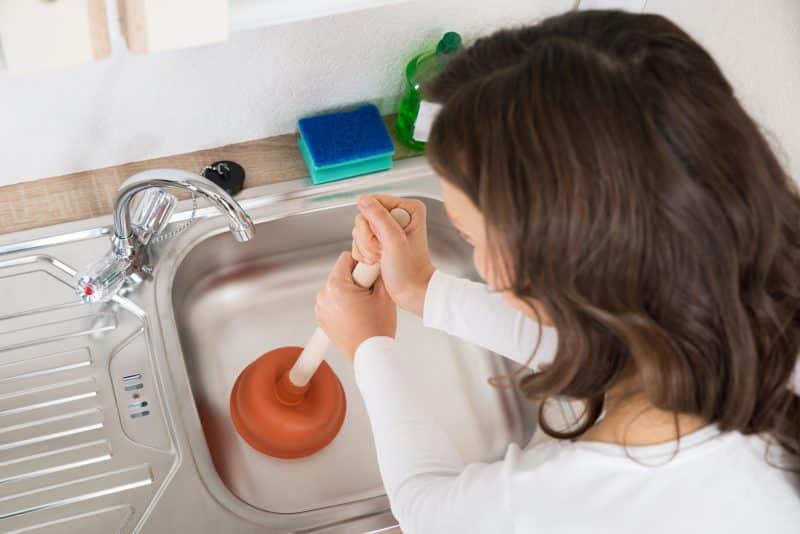
- Don’t keep plunging a toilet that’s close to overflowing. You may force contaminated water out of the bowl.
- Be cautious with chemical drain cleaners. They can be ineffective against wipes/roots and may create hazards for anyone who later needs to work on the line.
- Don’t lift a manhole cover if you’re unsure. Apart from the obvious mess risk, there are safety concerns (weight, confined gases, sudden surges).
A simple rule of thumb: if contamination or property damage is plausible, act today
Here’s the litmus test I use: If the next few hours could plausibly turn this into a hygiene issue, a flooding issue, or a repair issue—don’t wait.
That includes:
- Any sign of sewage or greywater backing up
- Overflowing external drains
- Water pooling near walls or air bricks
- Repeated blockages that are getting closer together
Yes, some blocked drains are routine. But the ones that threaten health, structure, or a neighbor’s property (think shared lines) deserve a faster response.
Prevention is boring—but it works
Once things are flowing again, take five minutes to reduce the odds of a repeat. Strainers in sinks, proper disposal of fats, and being ruthless about what gets flushed are the basics. If your home has a history of issues—especially with roots or older drains—consider periodic checks before the winter rains arrive.
Because in the end, it’s rarely the blockage itself that people regret. It’s the moment they realize they could have avoided the flood, the smell, or the mess by treating the warning signs as what they were: time-sensitive.