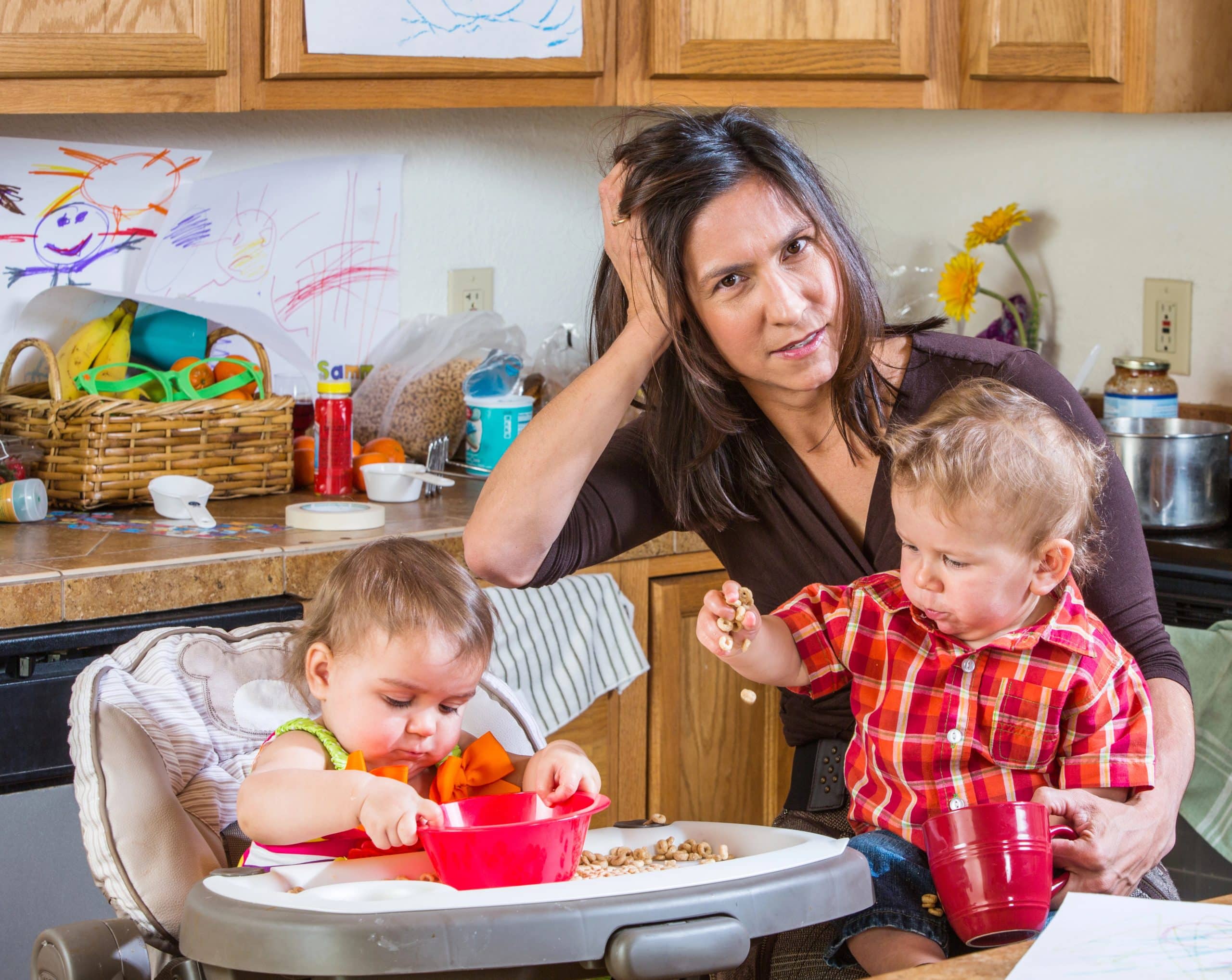
Self-Care for Moms Isn’t Spa Days: It’s Better Rest and Boundaries
Self-care for moms has become something of a caricature, with bubble baths, candles, spa vouchers, and a fleeting moment of peace that disappears as quickly as it comes. But for today’s moms, who are managing careers, households, and emotional loads all at once, the idea of “self-care” needs a serious reframe.
True self-care is not something that can be squeezed into a 30-minute window between school pickup and dinner prep. It’s not a product or a one-time treat; it’s a system of support. And at the center of that system is real rest and firm boundaries.
In this article, we’ll explore why redefining self-care is crucial for moms today, how better rest and stronger boundaries can change everything, and simple steps moms can take to build more sustainable practices into their daily lives.

Why the Old Self-Care Narrative Falls Short
Let’s be honest. The “treat yourself” version of self-care just doesn’t cut it anymore. While there’s nothing wrong with a massage or a face mask, those short-lived moments don’t address the real reasons moms are exhausted and burnt out.
What moms need more than ever is consistent restoration, not just temporary relief. That means focusing on areas that actually impact physical and mental health, like:
- Quality sleep and restorative rest
- Time to process emotions without interruption
- Space to say no without guilt
- Support systems, both emotional and logistical
The emphasis needs to shift from surface-level pampering to meaningful, ongoing care.
Boundaries: The Backbone of Real Self-Care
One of the most underrated forms of self-care is the ability to set and maintain clear boundaries. Without them, even the best intentions fall apart.
Boundaries help moms:
- Protect time for rest and recovery
- Avoid emotional overload from overcommitting
- Teach others how to respect their needs
- Model healthy behavior for their children
Setting boundaries can feel uncomfortable at first, especially in cultures or families where moms are expected to give endlessly. But boundaries aren’t selfish; they’re essential.
Here are a few examples of boundary-setting that can make a big difference:
- Saying no to last-minute social plans when you’re drained
- Not answering work emails after a set time
- Asking your partner or co-parent for specific help with household tasks
- Scheduling child-free hours each week, and sticking to them
The key is consistency. Once a boundary is in place, defending it becomes a self-care practice in itself.
Rest That Actually Restores You
Many moms are running on empty, and not because they don’t value rest, but because they rarely get the kind that restores. We’re talking about deep, uninterrupted, high-quality rest that your body and brain actually register.
That doesn’t just mean sleep (though sleep is critical), but also quiet time, solitude, and physical comfort. Prioritizing rest might look like:
- Keeping a regular bedtime, even if the laundry isn’t done
- Saying no to activities that disrupt your weekend wind-down
- Creating a calming bedroom space with cozy, breathable bedding
- Practicing mindfulness, deep breathing, or stretching before bed
Upgrading your sleep environment is one of the most underrated ways to promote better rest. For example, investing in high-quality bedding, such as a breathable, temperature-regulating percale duvet, can make a world of difference in how refreshed you feel the next day. Many moms have found that taking the time to shop Doze Bedding helps create a comforting sleep space that feels like an act of self-care in itself.
Because when your body feels safe, warm, and supported, your nervous system can finally slow down. And that kind of rest is priceless.
How to Build a Self-Care System That Actually Works
The most effective self-care strategies aren’t the ones that require perfect scheduling or ideal conditions; they’re the ones that integrate seamlessly into everyday life. Building a self-care system is about creating routines and support structures that carry you, even when things get hard.
Here are a few starting points:
1. Create Micro-Routines
These are 5–10 minute habits that ground you. A cup of tea before anyone else wakes up. A short walk after dinner. Reading a book instead of scrolling. Small, repeatable acts that signal, “This time is mine.”
2. Delegate Without Apology
Let go of the guilt that comes with asking for help. Share the load. Whether it’s with your partner, your kids, or a hired service, delegation creates breathing room.
3. Identify Your Energy Drains
What leaves you feeling wiped out physically or emotionally? Is it long group chats, constant multitasking, or overcommitting? Track those drains, and see where you can opt out.
4. Start Saying “Not Right Now”
You don’t have to give a hard no to everything. Sometimes, “not right now” gives you the pause you need to reassess your bandwidth without burning bridges.
5. Protect Your Mornings or Evenings
Find a slice of the day that you can claim consistently. Make it a non-negotiable block of time to check in with yourself, reset, or do something restorative.
Why This Shift Matters
When moms redefine self-care to include rest and boundaries as central pillars, everything changes.
They’re not just surviving; they’re rebuilding the foundation of their well-being. They’re more present for their families, more connected to their own needs, and better equipped to weather the challenges of motherhood.
And perhaps most importantly, they’re modeling a new kind of balance for their children, one where care isn’t something you have to earn, and rest isn’t a luxury.
Final Thoughts
Self-care that works isn’t about luxury; it’s about longevity. Moms don’t need more candles or curated spa boxes. They need systems that support them, spaces that recharge them, and the confidence to prioritize their own needs without guilt. Better rest and better boundaries aren’t just helpful; they’re healing. And every mom deserves that.