How Much Does a Cream Separator Cost, and What Affects the Price?
A cream separator can run you as little as $30 or climb past $3,000, and honestly, both figures make sense depending on what you’re buying. If you’ve stood in front of a product listing wondering why two machines that look nearly identical carry price tags hundreds of dollars apart, you’re not alone. The real answer is that cream separator pricing reflects a mix of capacity, motor strength, build materials, and whether the unit is meant for a kitchen counter or a working dairy farm. How much does a cream separator cost, and what affects the price? That question rarely has a single right answer because the best machine for you depends on how much milk you’re processing, how often the separator runs, and how long you need it to last. This article walks through the realistic price ranges you’ll find in the US market and breaks down the specific factors that push a separator’s price up or down.
Cream Separator Price Ranges: From Entry-Level to Commercial
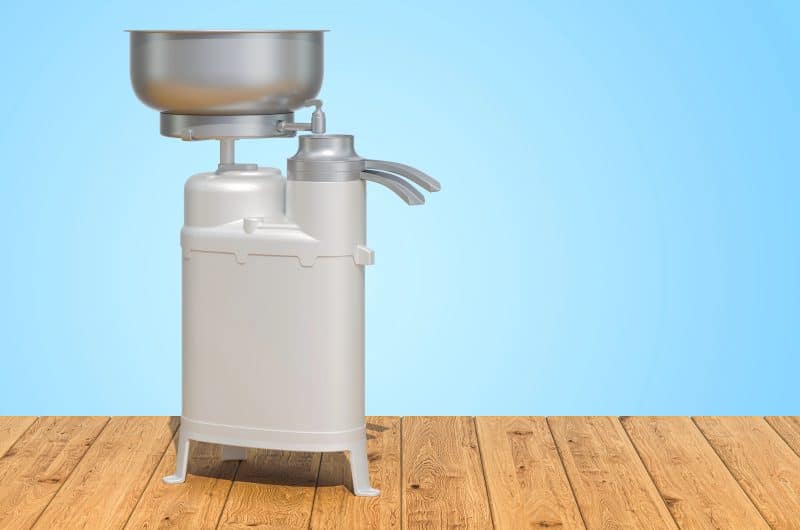
Separators fall into three broad price tiers, and knowing where each one begins and ends can save you from overspending – or landing something too underpowered to be useful. A well-chosen home cream separator machine typically falls between $100 and $500 for household use; that range covers units that process 50 to 200 liters per hour, which is more than enough for one to five cows or a small goat herd. Below that, you’re mostly looking at manual hand-crank models. Go above it, and you’re into semi-commercial and full commercial territory. Understanding these tiers isn’t just about matching a number to your budget – it’s about matching a machine’s actual output rate to the volume of milk your animals produce each week. Buy too small, and you’re running the separator twice as long, shortening its life. Buy commercial-grade with two cows, and you’ve paid for capacity you’ll never touch.
Manual and Entry-Level Electric Models
Manual cream separators – the hand-crank kind – typically run $30 to $80. They work, but they demand steady physical effort and process milk slowly, making them practical only for very occasional use or tiny quantities. Entry-level electric separators start around $100 and stretch to roughly $200. At this price point, you’re usually getting a plastic or thin-gauge steel bowl, a motor rated for 50 to 100 liters per hour, and basic drum components. These units are perfectly fine for someone milking one or two animals who wants fresh cream for home cooking. But the tradeoff is durability: plastic parts wear faster, seals may need replacing sooner, and the motor isn’t built for daily heavy use. If you’re running the separator every morning, even a modest step up to a mid-range electric unit will pay for itself in avoided repairs within a year or two.
Mid-Range and Semi-Commercial Units
Mid-range separators – generally $200 to $600 – are where most serious homesteaders and small-farm operators end up. These machines typically use stainless steel or food-grade aluminum for the bowl and drum discs, carry motors rated 100 to 200 liters per hour, and offer better sealing and easier disassembly for cleaning. Semi-commercial models in the $600 to $1,500 bracket push output to 300 liters per hour or more and are built for daily operation without overheating. Full commercial separators, used in licensed dairy operations or medium-sized farms, can cost more than $3,000. At that level, you’re paying for centrifuge drums engineered for continuous multi-hour runs, industrial motors, and compliance with food-safety standards. For most US readers processing milk from a small herd, the mid-range tier offers the best balance of longevity and cost.
The Factors That Affect Cream Separator Prices
Price isn’t arbitrary. Every dollar of difference between two separators usually ties back to a specific engineering or materials decision, and understanding those decisions helps you judge whether a higher price is justified for your situation. The four factors that most consistently drive cost are processing capacity, motor quality, the materials used in the drum and bowl, and whether the separator comes with a meaningful warranty and return window. Cheaper units cut corners on at least two of those four. Higher-end models score well on all of them. That said, you don’t always need a top score across the board; a hobbyist with one cow genuinely doesn’t need a stainless drum built for 300 liters per hour. But figure out which factors matter for your use case before you look at price tags.
Capacity and Motor Power
Separator capacity, measured in liters per hour, is the single biggest price driver. A 50-liter-per-hour unit and a 200-liter-per-hour unit from the same manufacturer can differ by $150 to $300 on price alone, even with identical materials everywhere else. Motor power ties directly to capacity; higher output demands a stronger motor, and stronger motors cost more to build and more to ship. A 100-liter-per-hour separator takes roughly 15 minutes to process a standard 25-liter milk pail, while a 50-liter unit takes 30 minutes. Over a year of daily use, that time gap adds up fast. The other motor-related cost factor worth sweating is noise and heat management. Budget motors run louder and hotter, which accelerates wear on bearings and seals. So mid-range and commercial units often justify their price on the motor spec alone, before you even get to materials.
Build Materials and Warranty Coverage
The drum and disc stack inside a separator are where milk contacts metal, and material quality matters for both food safety and how long the machine lasts. Stainless steel components resist corrosion, clean more easily, and outlast painted cast iron or thin aluminum by a significant margin. A full stainless drum assembly can add $50 to $150 to a unit’s price compared to a mixed-material equivalent. Warranty terms are another real cost factor, even if they don’t show up in the sticker price; a separator backed by a two-year warranty represents a lower total cost of ownership than a cheaper unit with no warranty at all, because drum and bearing replacements aren’t cheap. Return policies matter too. A 30-day return window lets you test the machine with your actual milk volume and send it back if it doesn’t perform, which takes a meaningful chunk of financial risk off the table.
Conclusion
Cream separator prices in the US range from under $80 for a manual model to well over $1,500 for semi-commercial electric units, with most home and small-farm buyers landing somewhere between $150 and $500. How much does a cream separator cost, and what affects the price? It mostly comes down to how much milk you process, how often the machine runs, and how long you expect it to last. Higher capacity, stainless components, a strong motor, and solid warranty coverage all push the price up, and in most cases, they’re worth it if you use it regularly. Match the separator’s specs to your real output volume, check the warranty terms before you buy, and you’ll sidestep the two most common headaches: underspending on a unit that wears out fast, or overspending on industrial capacity you’ll never actually need.