How to Tell if Your Sprinkler System Needs Repair Before Your Yard Starts Showing It
If you manage a yard in a warm, humid place like Clearwater, your sprinkler system works harder than you might think. Sandy soil, frequent heat, sudden downpours, and long growing seasons can hide irrigation problems until your grass starts thinning or your water bill jumps. You can catch most issues earlier with a few simple checks. Once you know what to watch for, your yard gives you signals long before serious damage sets in.
Your water bill can reveal irrigation issues before the grass does
A rising water bill during peak growing season isn’t unusual, but a sharp increase without major weather changes should get your attention. Sprinkler leaks are often quiet. A damaged lateral line underground can waste a surprising amount of water without creating a dramatic puddle, especially if your soil drains quickly.
Compare your recent usage to the same month last year if you can. If your household routine hasn’t changed much but water consumption has, irrigation is a likely culprit. This matters even more in regions where systems run frequently to keep turf from drying out. Homeowners dealing with sprinkler repair in Clearwater often discover the issue after noticing inconsistent turf color along with higher utility costs. The repair itself may be straightforward, but the delay can add up in wasted water, stressed landscaping, and avoidable wear on valves and heads.
Your lawn usually shows stress after the system already slipped
A sprinkler system rarely fails all at once. More often, it starts with uneven pressure, a clogged nozzle, a cracked head, or a valve that doesn’t fully close. You may still see green grass overall, but one zone begins looking slightly duller, softer, or patchier than the rest.
That delay causes problems. By the time you notice brown areas, shallow roots may already be developing in overwatered spots while underwatered areas begin thinning out. If one part of your yard stays muddy and another feels dry and brittle, your coverage pattern is probably off. You’re not just dealing with appearance either. Uneven irrigation can encourage fungus, compacted soil, and weed pressure, especially in family yards where kids and pets use the same worn sections over and over.
The fastest warning signs are usually visual and easy to miss
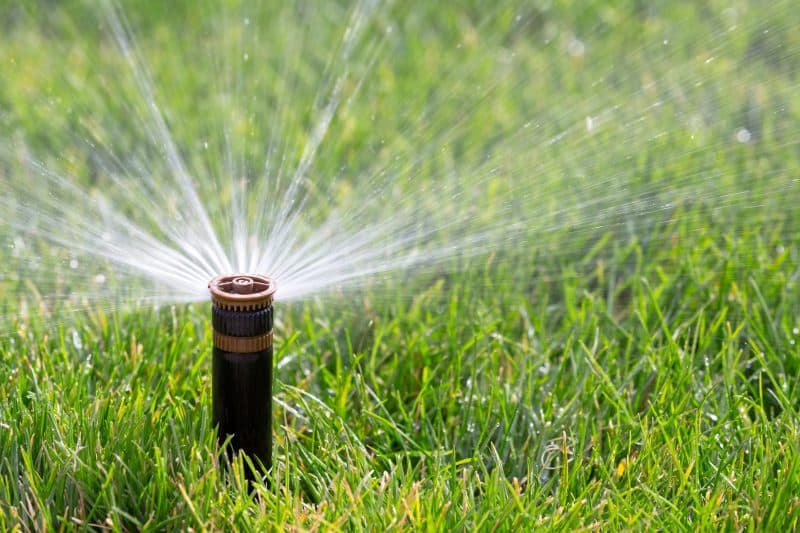
You don’t need special tools to spot early trouble. Run each zone and watch what happens for a few minutes. Look for sprinkler heads that sputter, spray sideways, fail to pop up, or mist into the air instead of sending steady streams. Fine mist often means water pressure is too high or the nozzle is damaged, and a lot of that water never reaches the roots.
Also check driveways, sidewalks, and fences. If a head is hitting hard surfaces instead of planting beds or turf, you’re paying to water concrete. Pooled water around one sprinkler can point to a broken seal or underground leak. A zone that starts several seconds late may have a valve issue. These details seem minor at first, but together they usually signal a system that needs calibration or repair rather than a simple timer adjustment.
Timer settings are only part of the problem
When your lawn looks off, the timer gets blamed first. Sometimes that’s fair. Seasonal settings may be outdated, start times can stack too closely, and power interruptions occasionally reset the controller. Still, many watering problems continue even after the schedule is corrected because the hardware in the field is no longer performing as designed.
A zone can be scheduled perfectly and still underdeliver if pressure is unbalanced or nozzles are partially blocked by debris. Tree roots may shift piping over time. Mowers can damage heads near edges. Soil settlement can tilt spray patterns enough to change distribution. If your controller says everything is running but your yard tells a different story, think beyond programming. Irrigation is a system, not just a timer on the garage wall. Mechanical performance matters just as much as scheduling logic.
Seasonal weather patterns can hide bad irrigation habits
Rainy periods often mask sprinkler problems. After a week of storms, your lawn may look healthy even if two heads are broken and one zone barely covers half its area. Then a hot, dry stretch arrives and the weak spots show up quickly. That pattern can make repairs feel sudden when the damage was actually building for weeks.
This is especially common in landscapes with mixed needs. Turf, foundation plantings, and sunny curb strips rarely need the same amount of water. If your system was designed years ago or your yard has changed with new beds, pavers, or shade trees, distribution may no longer match the site conditions. You may be watering on a schedule that made sense once but no longer fits the landscape. Short monthly system checks can catch these mismatches early and help you avoid overcorrecting with longer runtimes.
A simple at-home inspection can save time and money
You can do a useful sprinkler check in under 20 minutes. Start by running one zone at a time during daylight. Walk the area slowly and make notes on dry spots, overspray, misting, low heads, or water bubbling from the ground. Use a screwdriver or small flag to mark trouble spots so you can find them later.
Next, place a few flat-bottom cups around one zone and run it for 10 to 15 minutes. Compare the water levels. If one cup has much less or much more than the others, coverage is uneven. Listen for hissing near valves and look for water flowing after the cycle ends. That can indicate a valve that isn’t shutting fully. If you’re checking around your home with kids nearby, this kind of quick test is practical because it gives you clear evidence without digging, guessing, or replacing parts at random.
Smart maintenance keeps small issues from turning into yard-wide damage
The most expensive irrigation problems are often the ones that sat unnoticed through a full season. A cracked head can erode soil around walkways. A hidden leak can soften ground near roots or create recurring fungal stress in turf. Poor distribution can push you to fertilize more when the real problem is water placement, not nutrients.
A good routine is simple: inspect monthly during the main watering season, adjust after storms or landscape changes, and pay attention to sudden changes in plant health by zone. If one section of the yard consistently behaves differently, treat that as a system clue, not just a lawn care annoyance. You don’t need to become an irrigation technician to stay ahead of problems. You just need to notice patterns early, verify what your system is actually doing, and act before your yard starts paying the price for missed warning signs.