
Family Pool Safety Starts With Cleaner Water and Easier Weekly Maintenance
A backyard pool can be one of the best parts of family life. It gives kids a place to play, gives parents a reason to get outside, and turns ordinary weekends into something a little more fun.
But pool safety is not only about watching children while they swim. Supervision is essential, but it works best when the pool itself is well cared for. Clear water, clean surfaces, balanced chemicals, working equipment, and less clutter all help create a safer environment for the whole family.
For busy households, the real challenge is consistency. Pool care cannot be a once-in-a-while project. It needs to be simple enough to repeat every week.
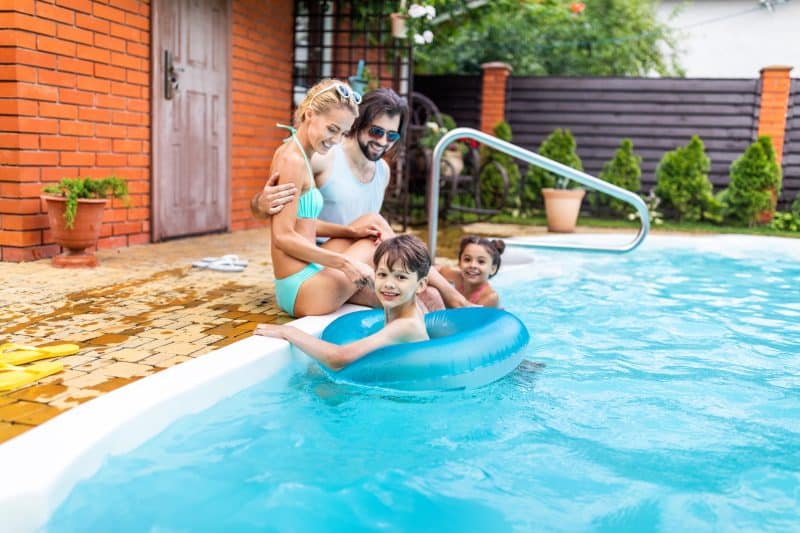
Pool Safety Is More Than Supervision
Every parent knows that children need active adult supervision around water. That rule never changes. But a safe pool area also depends on the condition of the water and the space around it.
Swim skills are another important layer of water safety. Enrolling kids in private pool swim lessons can help them build water confidence and learn basic safety habits, complementing active supervision rather than replacing it.
Cloudy water can make it harder to see the bottom of the pool. Leaves, dirt, and organic buildup can make steps or shallow areas feel slippery. Toys left floating in the water can block a clear view. A messy deck can create tripping hazards before anyone even gets in.
A family pool is a moving environment. Wind, rain, sunscreen, grass, and daily use change it all the time. Safety improves when maintenance keeps up with those changes.
Dirty Water Can Create Family Risks
Water that looks dull or cloudy is more than a cosmetic issue. When visibility drops, parents may have a harder time seeing children, toys, or objects below the surface. In an emergency, every second matters.
Organic buildup can also affect surfaces. Algae, sunscreen residue, leaves, and small debris can make pool steps, benches, ladders, and edges more slippery. That increases the chance of a fall, especially for children who move quickly around the pool.
Water balance matters too. If chlorine, pH, alkalinity, or stabilizer levels are not managed properly, kids may experience eye irritation, skin discomfort, or a less pleasant swimming experience. Poorly maintained water can also raise health concerns over time.
Clear water alone does not prove that a pool is safe, but it is an important part of a safer routine.
Weekly Maintenance Keeps Small Issues From Growing
For families, weekly maintenance is often more realistic than trying to deep clean whenever the pool looks bad. Small tasks done regularly can prevent debris, cloudy water, and slippery surfaces from turning into bigger safety problems.
A good weekly routine should include cleaning, basic water checks, equipment inspection, and a quick look around the pool area. It does not have to be complicated. The goal is to make safety habits easier to repeat.
The most useful routine is the one parents can actually keep. If cleaning takes too long, it gets delayed. If testing is forgotten, water can drift out of balance. If the deck is not checked, clutter can become part of the risk.
Common Pool Hazards Families Overlook
Leaves and dirt are easy to ignore when there are only a few of them. But once debris starts breaking down in the water, it can affect clarity and leave residue on surfaces.
Wet decks also matter. Many pool accidents happen outside the water, where kids run across slippery concrete, stone, or tile. Towels, floats, sandals, and toys can make the area more cluttered.
Pool toys are another common issue. A few toys left in the water may seem harmless, but they can hide the pool floor, block drains or steps, and tempt younger children to reach for them when adults are not ready.
Inconsistent cleaning schedules are the hidden hazard behind many of these problems. When maintenance is delayed, small risks can build quietly.
Robotic Cleaning Supports Safety Through Cleanliness
Robotic pool cleaners do not replace safety rules, but they can support the kind of cleanliness that makes a family pool easier to manage.
Regular automated cleaning helps remove debris before it sinks, breaks down, or collects around steps and corners. It can also help reduce buildup on surfaces that families use most, such as shallow areas, floors, walls, and the waterline.
This is where an automatic pool vacuum can support a family routine without turning safety into another overwhelming chore. It helps reduce the physical work involved in removing debris, which makes it easier for parents to keep up instead of postponing cleaning until the weekend is already busy.
The biggest advantage is follow-through. Parents may know what should be done, but busy schedules make it hard to keep up. A cleaner that reduces manual work makes weekly maintenance more likely to happen on time.
Less effort can lead to better consistency. Better consistency can support clearer water and fewer avoidable hazards.

Beatbot Sora 70 for Safer Family Pool Care
For families, Beatbot Sora 70 supports safer pool conditions by making weekly maintenance easier to stick to. One of the biggest challenges for busy households is not knowing that the pool needs cleaning. It is finding the time and energy to do it before debris, cloudy water, and surface buildup become bigger concerns.
Sora 70 helps bridge that gap by handling routine debris removal that directly affects water clarity and surface cleanliness. In Pro Mode, it can support cleaning across the surface, floor, walls, and waterline, while Standard Mode covers key cleaning zones in a simpler cycle. For parents comparing pool cleaning tools, the practical value is not just convenience. It is the ability to run regular cleaning more often, with less setup friction, so the pool stays closer to ready between family swim days.
Its cordless design also helps. Without a cable or hose to manage, families are more likely to use it after windy days, heavy swimming, or busy weekends instead of waiting for a larger cleanup.
Even with automated cleaning, families still need to supervise children, test water chemistry, maintain filtration systems, clean skimmer and pump baskets, remove large objects from the pool, ensure non-slip poolside surfaces, and follow basic safety rules. Robotic cleaners support cleanliness, but they do not replace active supervision or water treatment.
Build a Simple Weekly Pool Routine
A family pool routine should be easy enough to repeat. Start with a quick visual check in the morning or before swimming. Look for cloudy water, floating debris, toys, slippery areas, and anything that blocks visibility.
After heavy use, windy weather, or a pool party, run the cleaner before debris settles. Empty baskets and rinse filters as directed. Keep pool toys in one place, hang towels, and clear the deck before children return to the water.
Set one weekly reset time. Test the water, check the filter system, inspect the pool edge, and make sure safety barriers, covers, gates, and rules are still being followed.
Simple habits work better than complicated plans.
Cleaner Water Creates a Safer Family Environment
Family pool safety is not one action. It is a set of habits that happen again and again.
Supervision comes first. Water testing, barriers, and household rules are essential. But cleaner water and easier maintenance also play an important role. They improve visibility, reduce debris buildup, and make the pool environment easier for parents to manage.
Robotic pool cleaners help by lowering the workload behind routine cleaning. When weekly care feels easier, families are more likely to stay consistent.
A safer pool is not the result of doing everything perfectly once. It comes from small, steady habits that help keep the water, surfaces, and surrounding space ready for family use.