Reduce Household Stress With These Smart Plumbing Maintenance Tips
Homeownership brings a lot of joy, but unexpected plumbing issues can easily create stress for your family. A sudden broken pipe or stubborn drain clog can quickly ruin your day. Water damage often leads to expensive repairs and frustrating delays.
Fortunately, you can avoid these chaotic emergencies by starting a simple plumbing routine. Simple preventive steps help protect your home and keep your water systems running smoothly.
By learning basic plumbing care, you can prevent major leaks before they flood your home. Small changes to your daily habits will protect your drains and keep water flowing properly. You do not need expensive tools to maintain your home’s pipes and fixtures. You only need a little time, basic tools, and a careful approach to home care.
Regularly inspecting your fixtures helps you spot minor issues before they become major disasters. A dripping faucet might seem minor today, but it wastes hundreds of gallons over time. Taking active care of your plumbing system saves money, prevents major headaches, and gives you real peace of mind.
Every small step you take today helps avoid huge repair bills tomorrow. You will protect your budget while keeping your house safe from water damage.
Keep reading to learn what you need to know!
Knowing When Professional Expertise Is Required
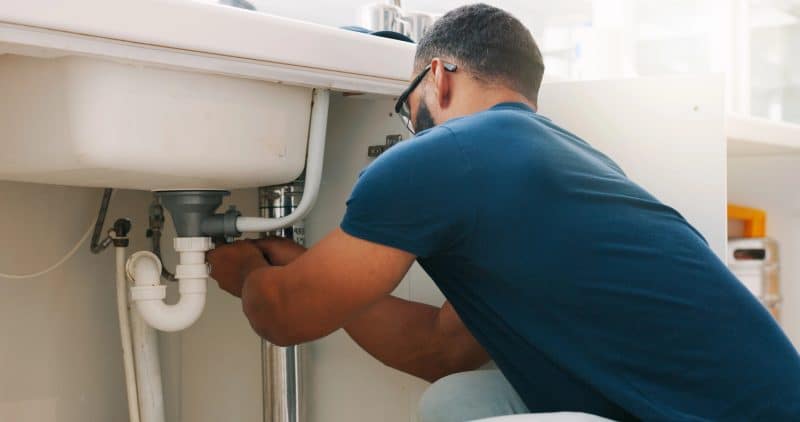
While routine maintenance solves basic issues, certain complex plumbing repairs require special tools and expert training. Attempting major pipe work or main sewer repairs without experience can lead to extensive property damage. If multiple sinks back up at once, your main sewer line likely contains a severe blockage.
Professional plumbers use special drain cables and sewer cameras to locate and clear deep underground blockages. Replacing corroded main pipes or soldering copper joints also requires professional skill and specialized tools. Attempting risky repairs yourself can accidentally cause fires or severe indoor flooding within minutes.
When facing major pipe failures, relying on experienced plumbing services in Oak Brook ensures safe and lasting results. Licensed experts possess the knowledge needed to resolve complex system failures quickly and correctly.
The True Financial and Mental Cost of Neglecting Your Pipes
Many homeowners ignore their plumbing until a visible leak or severe overflow forces them to act. Waiting for a major breakdown is an expensive mistake that creates unnecessary worry for your family. When small plumbing problems remain hidden, they slowly damage nearby materials like wood and drywall.
Water trapped behind cabinets or walls creates the perfect spot for mold to grow. Cleaning up hidden water damage requires expensive restoration work that can strain your monthly budget.
A neglected drain system also causes frequent clogs that disrupt your daily schedules and routines. Soap scum, hair, and cooking grease build up inside pipe walls and slow down water flow. If you ignore slow drains, total blockages will eventually force dirty water back into your sinks.
A major line blockage can split old pipes and require costly repairs throughout your house. Routine checks help you avoid these painful scenarios while keeping repair costs low. Maintaining your system extends the life of your fixtures and protects your home investment.
Routine upkeep also protects your health by stopping mold growth before it starts. A clean and working system keeps your whole house comfortable for years to come.
Essential Kitchen Plumbing Maintenance Strategies
Your kitchen sink works hard every single day during meal prep and family cleanups. It handles constant streams of dirty dishes, soapy water, and leftover food scraps. Because kitchen plumbing gets heavy daily use, it remains vulnerable to grease and food blockages.
Building simple kitchen habits prevents nasty pipe clogs and keeps your drains running smoothly. The most important rule for kitchen plumbing involves proper disposal of cooking oils and fats. Liquid fat looks harmless when hot, but it cools into a hard solid inside cold pipes; this sticky layer catches food particles and builds a barrier that stops water flow.
Never pour liquid fat down your drain; instead, collect excess grease inside jars for disposal. Drain strainers catch solid food scraps before they slide deep into your main pipes. These small mesh baskets cost very little, but they save you from major drain headaches.
They keep leftover food from sticking to your pipe walls.
- Never dump warm cooking fat.
- Run cold water while grinding.
- Clean sink drains every week.
- Grind lemon peels for odor.
- Avoid stringy vegetables in disposals.
Garbage Disposal Best Practices and Hidden Traps
Many people treat their garbage disposal like a strong trash can made for all food items. However, garbage disposals are motorized tools with specific limits that require careful use. Overloading your disposal causes motor failures, jammed blades, and bad smells that spread through your kitchen.
Proper disposal care ensures good performance and extends the unit’s life. Always run a strong stream of cold water before and during use. Cold water turns remaining fats into solids, allowing the blades to chop material more easily.
Keep cold water running for ten seconds after turning off the unit to clear the drain. Never process stringy vegetables like celery, corn husks, or artichokes in your garbage disposal. These long threads wrap around internal parts and jam the motor, causing sudden breakdowns.
Practical Bathroom Plumbing Hacks to Avoid Blockages
Bathroom plumbing handles high volumes of water daily, from quick showers to warm baths. Hair strands, soap scum, and excessive toilet paper cause frequent blockages inside bathroom pipes. Preventing these common bathroom issues requires consistent attention to what enters your drains every day.
Installing protective mesh strainers over shower drains captures loose hair before it creates thick plugs. Toilets require simple rules to ensure good flushing performance without unexpected and messy backups. Flush only organic human waste and regular toilet paper down your toilet.
Products sold as flushable wipes do not break down quickly and often cause severe pipe clogs. Furthermore, inspect your toilet tank parts once a year to replace worn flappers that waste water. Fix small toilet leaks promptly to prevent high water bills and protect your bathroom floor from rot.
- Install strainers inside shower drains.
- Avoid flushing baby wipes down.
- Inspect toilet flappers for leaks.
- Clean showerheads using white vinegar.
- Repair dripping faucets without delay.
How to Maintain Your Water Heater for Optimal Efficiency
Your water heater works continuously in the background to supply hot water for showers and laundry. Because it sits out of sight, many homeowners forget basic maintenance. Neglecting your water heater lowers heating efficiency, raises energy bills, and shortens the appliance’s life.
Extra mineral buildup at the bottom of the tank forces the burner to work much harder. Flushing your water heater tank once a year removes trapped sediment and keeps the heater clear. First, turn off the power supply or gas valve before connecting a hose to the drain.
Direct the drain hose toward a safe spot like a floor drain or your outdoor driveway. Open the valve carefully and let dirty water drain out until it runs completely clear. Refill the tank before turning the power back on to ensure safe heating and prevent tank rust.
Detecting Hidden Leaks Before Structural Damage Occurs
Silent leaks are very dangerous because they quietly cause thousands of dollars in hidden home damage. Water can drip behind cabinets or under floors for months before visible stains appear. Monitoring your monthly water bills can provide an early warning of hidden leaks in your pipes.
Unexplained increases in water use usually point to a leak that needs quick attention. You can check for hidden leaks easily by using your water meter during a quiet period at home. Ensure no water fixtures are running, then write down the exact numbers on your water meter.
Avoid using any household water for two hours before checking the meter display again. If the meter reading changes during this test, water is escaping somewhere inside your system. Checking under sink cabinets with a bright flashlight helps you spot small leaks early.
Seasonal Outdoor Plumbing Care for Year-Round Protection
Outdoor water pipes face harsh seasonal changes that can damage exterior pipes during cold winter months. Freezing temperatures cause trapped water inside pipes to expand quickly, splitting metal and plastic pipe walls. A burst outdoor pipe can release hundreds of gallons of water into your house when it thaws.
Preparing your outdoor plumbing before winter arrives prevents major bursts and costly spring repair bills. Disconnect all outdoor garden hoses before winter cold arrives to let spigots drain completely. Trapped water inside connected hoses freezes easily and transfers cold directly into indoor wall pipes.
Turn off the interior valve supplying your outdoor spigots, then open exterior valves fully. Insulating exposed pipes in cold basements or crawlspaces provides essential warmth during severe cold snaps. These simple steps protect your foundation and keep outdoor pipes working year after year.
Spending a few minutes on outdoor care each autumn prevents big winter emergencies. You can enjoy cold weather knowing your exterior pipes are safe.
Essential Plumbing Tools Every Homeowner Should Own
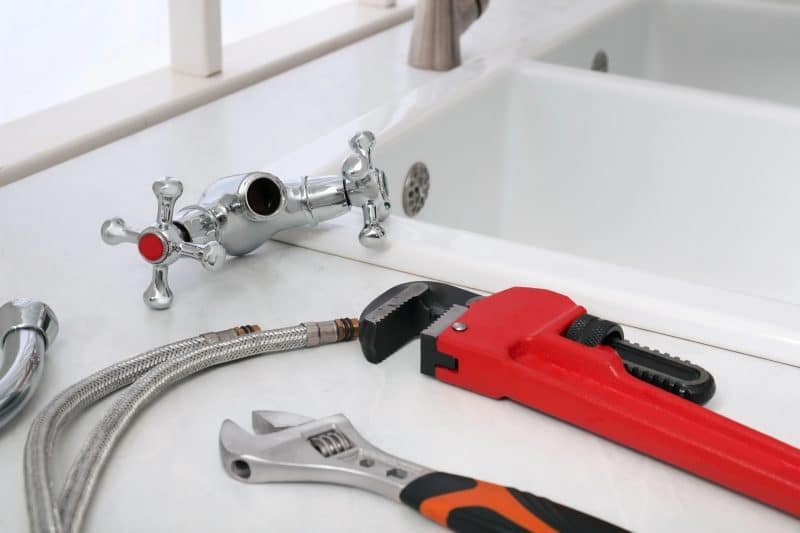
Having basic plumbing tools on hand lets you handle minor household issues quickly and without panic. You do not need complex tools to fix simple clogs, replace washers, or clear small drain blockages. A reliable flange plunger creates an effective seal inside toilet bowls to push stubborn clogs through.
Standard flat cup plungers work best on flat sink and tub drains to clear standing water. A quality pipe wrench provides the needed grip to loosen or tighten threaded metal pipe connections. Wrapping pipe threads with Teflon tape creates a tight seal that prevents slow drips around fittings.
Keep a flexible hand drain auger in your closet for clearing tough drain clogs on your own. Wear protective gloves to keep your hands clean and safe during dirty plumbing tasks.
- Purchase sturdy rubber cup plungers.
- Apply thread seal plumber tape.
- Store reliable metal pipe wrenches.
- Keep basic flexible drain snakes.
- Wear heavy protective rubber gloves.
Regulating Water Pressure to Extend System Lifespan
High water pressure feels great during a morning shower, but excess force gradually damages your plumbing. Water pressure above normal household limits places intense stress on pipe joints, valves, and appliance hoses. Over time, high pressure causes pinhole leaks, noisy pipe vibrations, and premature appliance failures.
Testing your household water pressure annually helps you maintain safe operating levels throughout your home. Screw a simple water pressure gauge onto an outdoor spigot to measure your static household pressure. Standard residential water pressure should consistently register between forty and eighty pounds per square inch overall.
If your gauge reads above eighty pounds, consider installing a water pressure reducing valve immediately. This simple device regulates incoming city water flow, protecting your plumbing fixtures from high pressure.
Managing Household Plumbing Emergencies with Confidence
Even with careful maintenance, unexpected plumbing emergencies can still occur during extreme weather or due to severe pipe wear. Knowing how to react calmly during a major pipe failure minimizes water damage and reduces anxiety. Your first action during any severe leak should always be shutting off the main water supply.
Locating your main shut-off valve today ensures you can act instantly in an emergency. Show every family member where the main shut-off valve is and how to turn it off. Also, learn where individual fixture shut-off valves sit beneath sinks and behind residential toilet bases.
Turning off specific fixture valves stops local overflows immediately while leaving water running through the home. Keeping clean towels, buckets, and emergency contact numbers ready helps you manage unexpected situations smoothly.
Staying prepared can turn a potential disaster into a minor hiccup you can handle easily. Clear planning keeps your family calm during sudden pipe leaks.
Take Control of Your Plumbing to Reclaim Peaceful Living
Proactive care of your home’s plumbing system protects your property and reduces daily stress. Regular checks, mindful drain use, and routine water heater flushes keep your entire system running smoothly. You save money on emergency repairs and extend the life of your household appliances.
Equipping yourself with basic tools and knowledge gives you total confidence when handling minor household issues. Starting routine plumbing care today helps keep your home safe, comfortable, and well-maintained.
Looking for more tips and ideas? We’ve got you covered. Check out some of our other posts now.