
Can Extreme Heat Cause Power Outages?
On extremely hot days, most people expect higher energy bills, but not necessarily a power outage. However, during heat waves, outages become more common across many regions, necessitating a whole house generator to keep essential systems running.
Air conditioners run nonstop, fans stay on around the clock, and overall electricity use spikes. At the same time, the infrastructure that delivers that power is also handling extreme conditions. This raises a practical question: Can extreme heat actually cause power outages, or is it just a coincidence?
The answer is straightforward. High temperatures increase demand and put stress on the entire electrical system, from power plants to the lines that deliver electricity to homes. Below, explore a longer explanation of how heat can cause disruptive outages in your area.
How Heat Can Knock Out Power
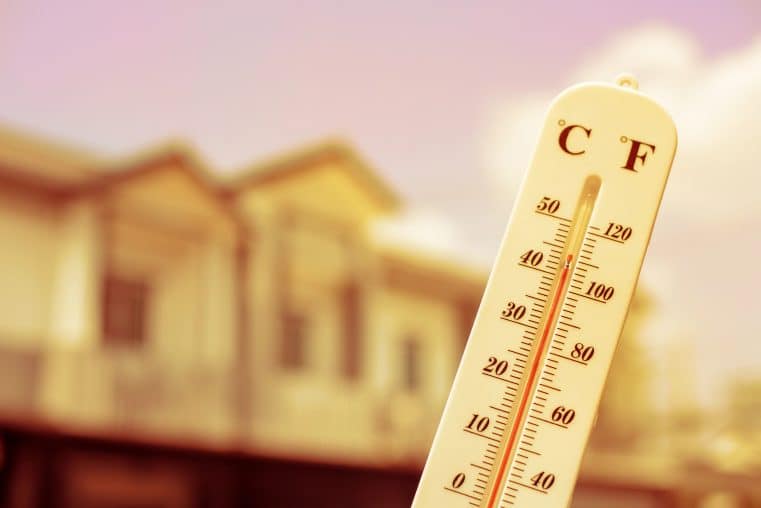
Extreme heat can cause power outages. In fact, it’s one of the most common contributors to large-scale outages during the summer months.
There are two main reasons for this. First, electricity demand increases significantly as people try to keep their homes cool. Second, the equipment that generates and distributes electricity becomes less efficient and more prone to failure in high temperatures.
When these two factors occur simultaneously, the risk of outages increases. In some cases, utilities may even shut off power intentionally in certain areas to prevent more widespread damage to the grid.
Why Extreme Heat Stresses the Power Grid
The power grid is designed to handle typical daily and seasonal fluctuations in electricity use. However, extreme heat pushes demand beyond normal levels.
During a heat wave, air conditioning becomes the primary driver of electricity use. Millions of homes and businesses run cooling systems, often for extended periods. This creates what’s known as “peak load,” when demand is at its highest.
If demand approaches or exceeds the grid’s capacity, utilities must take action. This can include issuing conservation requests, reducing voltage, or implementing rolling outages to prevent a complete system failure.
How Heat Physically Damages Electrical Equipment
In addition to increasing demand, extreme heat can directly affect the physical components of the electrical system. For example, power lines expand and sag as temperatures rise. In severe cases, sagging lines can come into contact with trees or other objects, leading to faults or shutdowns.
Transformers and substations are also sensitive to heat. These components rely on cooling systems to function properly. When temperatures climb, they can overheat, reducing efficiency and increasing the likelihood of failure.
Heat also affects the materials used in electrical equipment. Prolonged exposure to high temperatures can degrade insulation and other components over time, making them more susceptible to damage.
When Demand and Damage Cause Blackouts
Power outages during extreme heat often result from a combination of high demand and physical stress on equipment. When electricity use is elevated, and components are already operating under strain, even a minor issue can trigger a larger disruption.
There are generally two types of outages that occur in these conditions. The first is an unplanned outage, which happens when equipment fails, such as a transformer overheating or a power line fault. The second is a controlled or “rolling” outage.
In these cases, utilities intentionally shut off power to specific areas for short periods to reduce overall demand and protect the grid from widespread failure. Rolling outages are typically used as a last resort. They are designed to prevent a more serious scenario, in which the entire system becomes unstable, leading to longer and more difficult-to-repair outages.
Why Some Areas Are More Vulnerable Than Others
Not all regions experience heat-related outages at the same rate. Several factors influence how vulnerable a given area is. Infrastructure plays a major role. Older electrical systems may not be equipped to handle sustained high demand or extreme temperatures. Components that have been in service for decades are more likely to fail under stress.
Population growth is another factor. Areas that have expanded quickly may place additional demand on systems that were not originally designed for current usage levels. This can lead to capacity constraints during peak periods.
Climate patterns also matter. Regions that historically had milder summers may not have built their electrical systems with extreme heat in mind. As temperatures rise in these areas, the existing infrastructure may struggle to keep up.
Beating the Heat (and the Outages)
Extreme heat can increase the likelihood of power outages by placing simultaneous stress on both electricity demand and infrastructure. While utilities work to manage these conditions, the combination of high usage and equipment limitations can still lead to disruptions.
Understanding how and why outages occur makes it easier to prepare for them. Simple steps can improve resilience during heat waves, such as reducing peak energy use and installing backup options.
As extreme weather becomes more frequent in many regions, preparation is increasingly important. Taking proactive measures can help ensure that essential systems remain available, even when temperatures are at their highest.