The Dream of Owning Land, Is It Actually Worth It?
Owning land is one of those ideas that sounds incredibly simple on the surface and then slowly becomes more complex the longer you sit with it, because it’s not just about having space, it’s about what that space actually means in your day-to-day life, how you use it, how you maintain it, and whether it gives you what you imagined it would in the first place.
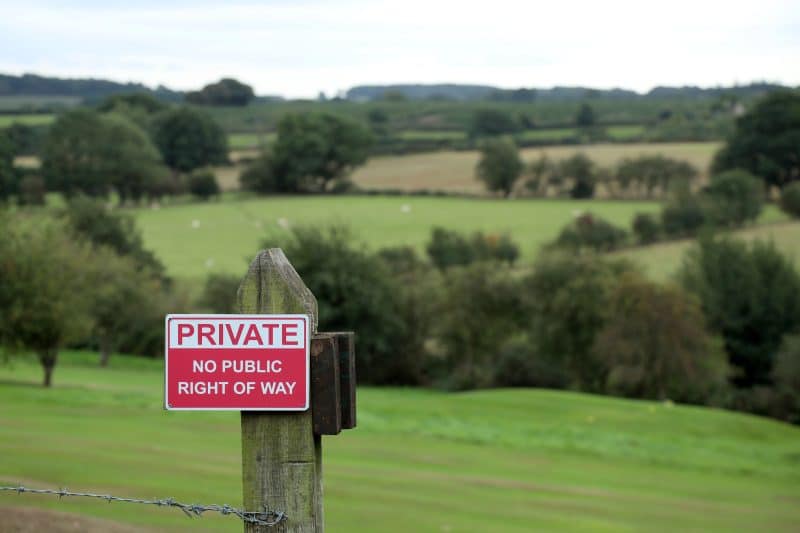
At first, it’s easy to picture it in very ideal terms, privacy, quiet, maybe building something of your own, maybe just having a place that feels like it belongs entirely to you, without neighbors too close or restrictions that make everything feel boxed in.
But once you move past that initial idea, you start realizing that land is not passive.
It comes with decisions, costs, limitations, and opportunities that look very different depending on where you are.
And that’s where things get interesting.
Where Owning Land Actually Makes Sense (State by State)
Not all land is equal, and more importantly, not all states make land ownership equally practical, which is why where you buy matters just as much as what you buy.
Some states make it easier, more flexible, and more valuable long-term, while others come with higher costs, stricter rules, or limitations that can change the entire experience.
Colorado, Lifestyle Meets Investment
Colorado is one of those places that almost immediately makes sense when you think about owning land, especially if you’re drawn to outdoor living and long-term value.
The state offers access to hiking, skiing, and open space in a way that turns land into more than just property, it becomes part of your lifestyle, whether that means building a home, using it as a retreat, or simply holding onto it as something that appreciates over time.
At the same time, Colorado’s strong economy and growing population make it attractive from an investment perspective, even though prices can be higher than in other states.
So while it’s not the cheapest option, it’s one of the more balanced ones.
Texas, Scale, Flexibility and Opportunity
For many people, owning land represents more than just a financial decision; it’s about creating a place that reflects their lifestyle, goals, and vision for the future. Whether it’s building a homestead, enjoying outdoor recreation, or creating a long-term family investment, finding the right property is an important part of that journey. Some buyers who dream of wide-open spaces and rural living choose to buy a ranch in Texas, where large acreage, diverse landscapes, and strong land ownership traditions create unique opportunities for those looking to make that dream a reality.
Texas is often considered one of the best states for land ownership, and a lot of that comes down to scale and flexibility. There’s simply a lot of land available, and it comes in many forms: ranches, smaller plots, investment parcels, and everything in between.
The state also benefits from strong economic growth, no state income tax, and relatively flexible building regulations, all of which make it easier to both buy and use land in ways that fit your goals.If you’re looking at land from both a lifestyle and financial perspective, Texas tends to check both boxes.
Tennessee, Affordable and Surprisingly Practical
Tennessee stands out for a different reason.
It’s not just affordable, although that matters, it’s also practical in terms of climate, infrastructure, and usability.
With a long growing season, moderate weather, and lower cost of living, it’s often considered one of the best states for homesteading or simply owning land that you can actively use, rather than just hold.
It’s the kind of place where land feels usable, not just theoretical.
Montana, Space in the Truest Sense
Montana is almost the definition of wide-open space.
If your idea of owning land is about privacy, distance, and a sense of being away from everything, this is where that becomes real.
Large parcels, low population density, and a strong culture around land use, especially for ranching and outdoor living, make it appealing for people who want something more remote and less structured.
But it comes with trade-offs.
Long winters, distance from services, and a lifestyle that requires more independence. For the right person, that’s exactly the point.
Arizona and New Mexico, Affordable Entry Points
If cost is a major factor, states like Arizona and New Mexico often come up as some of the most affordable places to buy land in the U.S., with lower price per acre compared to many other regions.
They offer:
- Large, open landscapes
- Lower taxes
- Growing interest from buyers
But they also require a different way of thinking about land, especially when it comes to water access, climate, and long-term usability.
Affordable doesn’t always mean easy. It just means accessible.
What You Don’t Think About (But Should)
The idea of owning land often focuses on freedom. But the reality includes things that don’t always show up in that initial vision.
Zoning and Regulations
Every piece of land comes with rules.
What you can build, how you can use it, and even what kind of structures are allowed can vary not just by state, but by county.
In some areas, regulations are flexible. In others, they can be restrictive enough to completely change your plans. Understanding this upfront is not optional. It’s essential.
Access and Infrastructure
Land is not always as accessible as it looks on a map.
Some parcels don’t have direct road access, utilities can be expensive to extend, and internet availability can be limited, especially in more remote areas.
And these aren’t small details. They directly affect how usable your land actually is.
Ongoing Costs
Even if you own the land outright, costs don’t disappear. Property taxes, maintenance, insurance, and potential improvements all add up over time.
Some states offer tax advantages, like agricultural exemptions, which can reduce costs, but those benefits usually come with specific requirements.
So the question becomes not just “Can you buy it?” but “Can you maintain it comfortably?”
Climate Changes the Entire Experience
One of the biggest factors that people underestimate when buying land is climate.
Because land is not just something you own.
It’s something you live with. In colder states, you’re dealing with snow, access issues, and shorter growing seasons. In hotter or drier states, water becomes the primary concern.
And in some regions, weather patterns can change how you use your land entirely depending on the season.
What works perfectly in one state may not work at all in another. Which is why choosing land is less about preference and more about alignment.
So, Is It Actually Worth It?
The honest answer is, it depends on why you want it. If the goal is purely financial, then location, growth potential, and market trends matter most. If the goal is lifestyle, then usability, climate, and accessibility become more important.
And if it’s a mix of both, which it often is, then you’re looking for a balance. Because land can absolutely be worth it. But only if it fits how you plan to use it.
Final Thoughts
Owning land is not just about having space.
It’s about what that space allows you to do, how it fits into your life, and whether it continues to make sense over time.
The dream itself is real.
But the details are what determine whether it stays a dream or becomes something that actually works for you.
And the more you understand those details before you buy, the better that decision will feel long after the excitement fades.