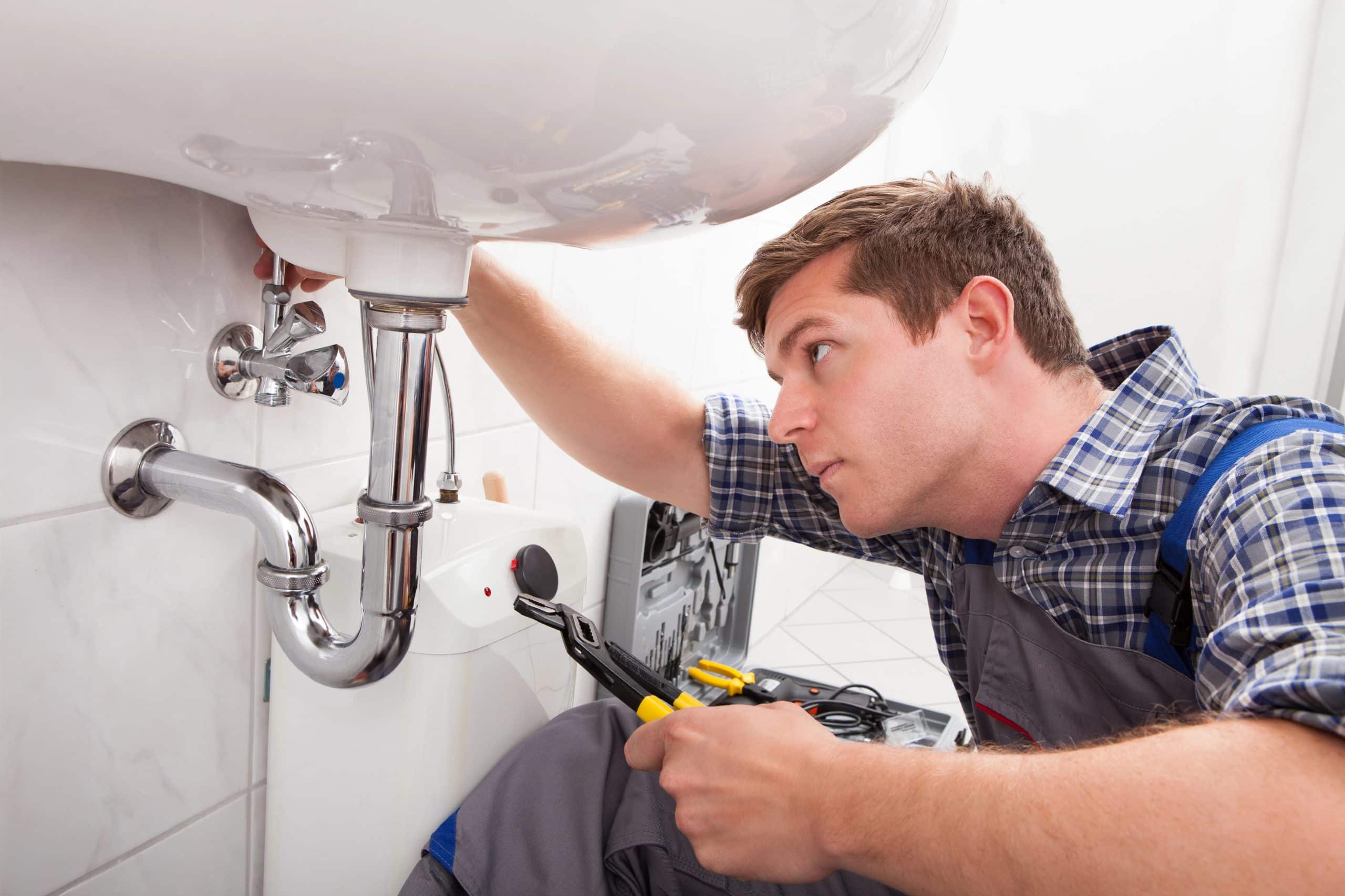
Why More Parents Are Encouraging Their Kids to Explore the Skilled Trades
Not every kid is meant for a four-year college, and that is perfectly okay. In fact, a growing number of parents are realizing that pushing the traditional college route may not be the best fit for every child. Some kids learn better with their hands. They light up in shop class, spend hours tinkering in the garage, or gravitate toward building things rather than writing essays about them. If that sounds like your child, you are not alone in wondering whether the skilled trades might be a smarter path forward.
The reality is that the trades are booming right now, and the numbers back it up. According to research from Deloitte and The Manufacturing Institute, as many as 2.4 million manufacturing positions could go unfilled by 2028 because there simply are not enough trained workers to fill them. That means welders, electricians, plumbers, HVAC technicians, and other skilled tradespeople are in serious demand, and that demand is only expected to grow.
The college conversation is changing
For decades, the default advice was to go to college, get a degree, and figure out the rest later. But with student loan debt in the United States now exceeding $1.8 trillion, more families are questioning whether that path makes sense for everyone. A four-year degree can be a wonderful investment for some careers, but it is not the only way to build a stable and fulfilling life.
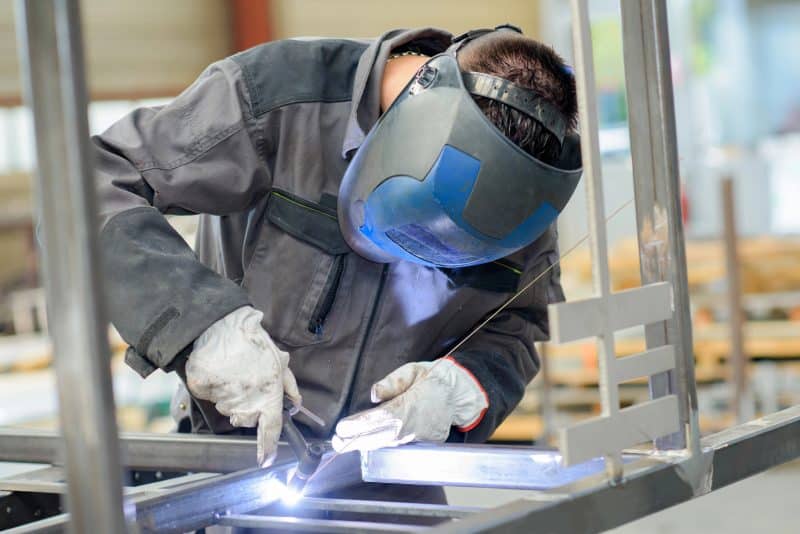
Trade programs, apprenticeships, and technical schools offer an alternative that gets young people earning sooner, often with little to no debt. Many welding programs can be completed in under two years, and welders in the United States earn a median salary of $51,000 per year according to the Bureau of Labor Statistics. Experienced welders working in specialized fields like pipeline or underwater welding can earn significantly more.
For a parent watching their teenager struggle with the idea of sitting in a lecture hall for four more years, these numbers can be a relief.
Hands-on learning builds confidence
One of the things that makes the skilled trades so appealing to certain kids is the immediate feedback loop. When you weld two pieces of metal together, you can see the result right away. When you wire a circuit and the light turns on, there is no ambiguity about whether you did it correctly. For kids who have spent years feeling like school was not designed for the way their brain works, that kind of clarity can be transformative.
Parents who have watched their children come alive in a woodworking class or a weekend automotive project already know this instinctively. The trades give those kids a place where their natural strengths are valued instead of overlooked. And unlike many entry-level office jobs, skilled trade careers offer a clear progression. You start as an apprentice, you build your skills, you earn certifications, and over time you can move into supervisory roles or even start your own business.
Safety matters from day one
If your child is showing interest in welding specifically, one of the most important things you can do as a parent is make sure they have the right safety equipment from the start. Welding produces intense ultraviolet and infrared radiation that can cause serious eye damage, and the quality of a welding lens directly affects both safety and the ability to learn proper technique.
This is where it pays to do a little research. Companies like Ridge Products Welding have made professional-grade auto-darkening lenses accessible and affordable, which is especially helpful for families investing in a young welder’s first set of gear. A good lens protects their eyes, helps them see their work clearly, and builds good habits from the very beginning. It is one of those purchases where spending a little more upfront can save a lot of frustration and risk down the road.
Beyond the lens, make sure your teen has a proper welding hood, leather gloves, a long-sleeve jacket made of flame-resistant material, and closed-toe boots. Most trade programs will provide a list of required equipment, but having quality gear at home allows them to practice outside of class, which is where a lot of the real learning happens.
How to support your teen without pushing too hard
Take Them Seriously
If your child has mentioned an interest in welding or another trade, the best thing you can do is take it seriously. That might mean visiting a local technical college together, signing them up for an introductory welding course over the summer, or simply asking them what they find interesting about it and listening without steering the conversation toward what you think they should do.
Normalize Trade-Related Conversations
It also helps to normalize the trades in everyday conversation. Talk about the electrician who rewired your kitchen or the plumber who saved you from a flooded basement. Point out construction projects in your neighborhood and wonder aloud about the skills involved. Kids pick up on what their parents value, and when they see that you respect this kind of work, it gives them permission to pursue it.
Be Open-Minded
You do not need to know the difference between MIG and TIG welding or understand what a pipe fitter does all day. What matters is that your child feels supported in exploring a path that might genuinely be right for them.
The bigger picture
The skilled trades shortage is not just an economic statistic. It represents a real opportunity for the next generation. Young people who enter the trades today are walking into a job market that needs them, values their work, and offers wages that can support a family without decades of debt hanging overhead.
As parents, we all want our kids to find work that is meaningful, stable, and financially sustainable. For some kids, that path runs through a university campus. For others, it runs through a welding shop or a job site. Both paths deserve the same respect, and both can lead to a life well built.
References
- Deloitte and The Manufacturing Institute, “Creating Pathways for Tomorrow’s Workforce Today,” 2018
- Federal Reserve, Consumer Credit Statistical Release, Q2 2025
- Bureau of Labor Statistics, Occupational Outlook Handbook, “Welders, Cutters, Solderers, and Brazers,” May 2024